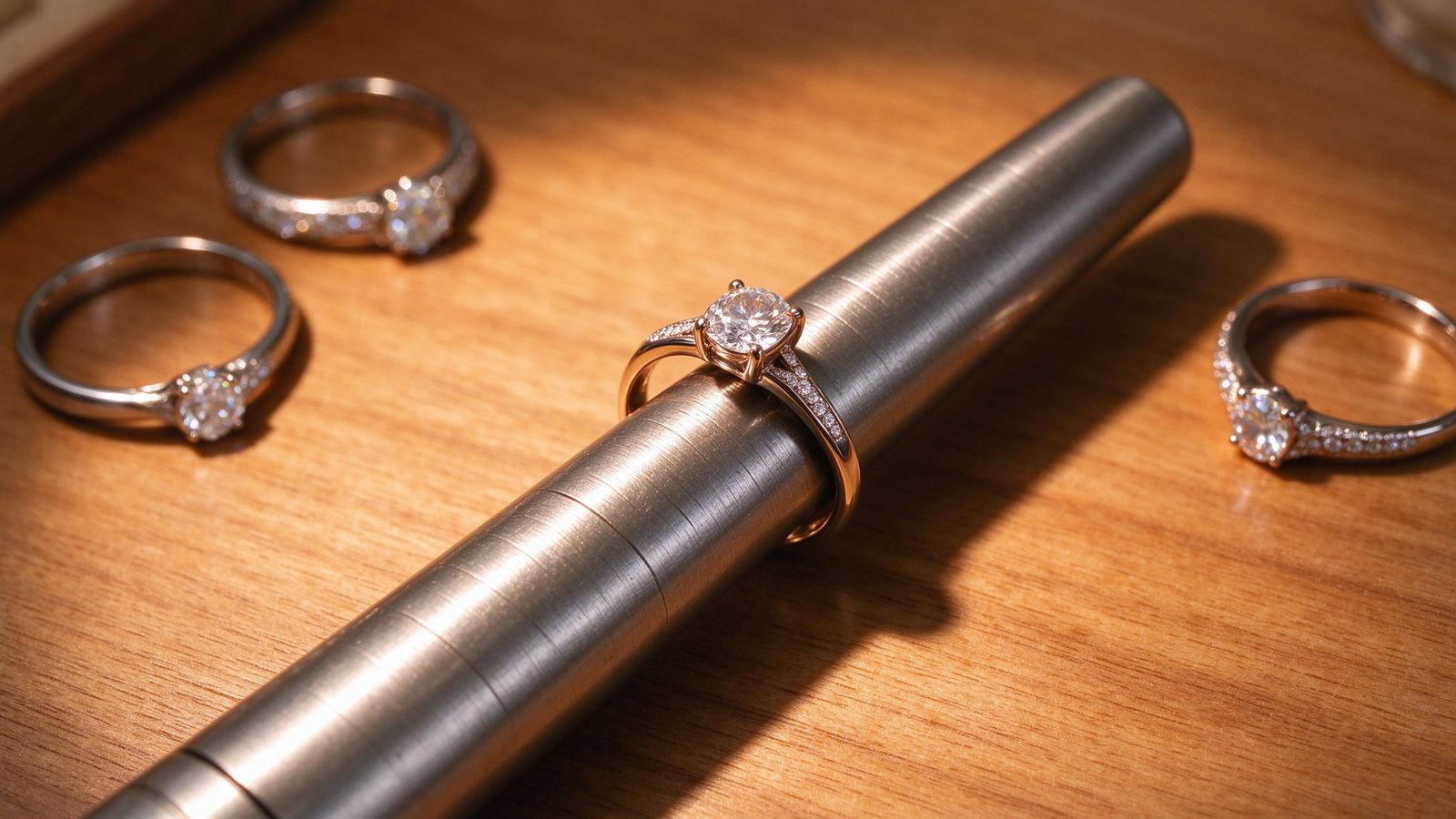
Platinum Jewelry Care: Cleaning and Maintenance for a Lifetime
Platinum is the rarest, densest, and most durable of the precious metals, and yet it needs a slightly different care routine than gold. New platinum rings come out of the box mirror-bright. Within a year, they develop a soft, satiny patina that divides owners: some polish it back, others fall in love with it. Many people who buy platinum expect it to stay bright forever and are confused when it changes. Understanding how platinum ages, how to clean it, and what that patina means is the difference between a ring that looks wrong to you and one that feels right. This guide covers platinum care from cleaning to resizing, and explains why platinum is worth the effort.
Why Platinum Is Different
Platinum is dense. A platinum ring feels noticeably heavier than the same ring in 14k gold. It is also nearly pure, usually 95 percent platinum alloyed with a small amount of another platinum-group metal. Because it is so dense and pure, it does not wear away the way gold does. When platinum is scratched, the metal is displaced, not removed; the surface develops a satiny sheen rather than thinning. That is the famous platinum patina. A gold ring, by contrast, loses a tiny bit of metal with every polish. Our gold versus platinum guide explains the trade-offs.
Platinum is naturally white and never needs rhodium plating, unlike white gold. It does not tarnish. It is hypoallergenic. It is the metal of choice for people with sensitive skin and for people who want a ring that survives decades. The trade-off is that it costs more and it changes surface character over time. That change is not damage; it is platinum behaving as it should.
How to Clean Platinum
Platinum cleans like gold. Fill a bowl with warm water and a drop of mild dish soap, soak the ring for fifteen minutes, and brush gently with a soft toothbrush, especially behind the stones. Rinse and pat dry. Because platinum is dense and non-porous, it does not trap grime as easily as gold, so a weekly wash is enough. Our gold cleaning guide uses the same method. Platinum can safely go in an ultrasonic cleaner, because it is hard and non-reactive, but check your stones first; soft stones still cannot tolerate it.
A jewelry polishing cloth restores a temporary shine. But here is the key: if you prefer the patina, do not polish. The satiny look that develops on platinum is not dirt. It is the natural surface, and polishing it away means re-polishing every few months. Many platinum owners stop polishing after the first year and let the patina develop. It looks rich, it hides minor scratches, and it requires nothing. Decide which look you want, then clean accordingly.
The Platinum Patina: To Polish or Not
The patina is the defining look of worn platinum. New platinum is mirror bright. Over a year of wear, the surface develops a soft, matte luster that is uniquely platinum. Engagement rings in platinum often look more beautiful after ten years than after one, because the patina softens the look and the high points catch light. Many jewelers deliberately finish platinum rings with a soft matte to begin with, so the patina blends in.
If you want the mirror shine back, a jeweler can re-polish the ring. But because platinum displaces rather than loses metal, polishing it rarely removes material. You can re-polish platinum more often than gold without thinning it. Still, most owners find the patina preferable. If you are buying platinum for the first time, expect the mirror shine to soften, and decide whether that sounds like aging or like improvement. For most people, it is improvement.
Platinum and Stones
Platinum grips stones better than gold, because the metal is slightly softer and tighter around prongs. This is why many high-end diamond rings are set in platinum: the prongs hold the stone more securely. But platinum prongs still wear, and you should check them as our prong guide describes. Platinum prongs can be re-tipped, though the metal is more expensive to work with. If a platinum prong loosens, a jeweler can rebuild it, but it costs more than a gold prong repair.
Because platinum is hypoallergenic and naturally white, it is the ideal setting for a colorless diamond. It does not cast a yellow reflection through the stone the way yellow gold can. If you are choosing a metal for a diamond ring, platinum gives the whitest look without plating. Our sparkle guide explains why the setting color affects the stone.
Resizing and Repairing Platinum
Platinum can be resized, but it is harder to work with than gold, so resizing costs more and takes longer. A platinum ring can usually be resized by one to two sizes. Eternity bands set all the way around cannot be resized in any metal, so size carefully with our sizing guide. When you resize platinum, use a jeweler experienced with the metal, because it requires higher heat and specialized equipment.
Platinum scratches more visibly than gold when new, because the bright surface shows micro-scratches. Do not panic at the first scratches; they blend into the patina within months. A platinum ring that looks scratched after a month is behaving normally. If the scratches bother you, a quick polish removes them, but they will return. The patina is the natural state of platinum in daily wear.
Storing Platinum
Platinum is dense and heavy. Store it in its own slot, not loose with lighter pieces, because a platinum ring rattling in a drawer scratches everything else. It does not tarnish, so anti-tarnish strips are unnecessary. It does not need an airtight box. A simple lined compartment is enough. Our storage guide covers the setup. Because platinum is so durable, it is one of the lowest-maintenance metals you can own.
Why People Choose Platinum
Platinum is chosen for three reasons. First, durability: it is the metal least likely to lose a stone, because the prongs grip tightly. Second, hypoallergenic: it contains no nickel, so sensitive skin rarely reacts. Third, appearance: it is naturally white and stays white without plating. People who want a wedding band they never have to think about often choose platinum. It does not need re-plating like white gold, it does not tarnish like silver, and it survives daily wear better than softer gold. Our metal guide lays out the full comparison.
The downside is price. Platinum costs more than gold per gram, and the ring weighs more, so the material cost is higher. But platinum also keeps its value, and it is the metal that can literally be passed down. Many couples see it as a once-in-a-lifetime purchase that justifies the cost. If you plan to wear the ring every day for fifty years, the price per year is low.
Platinum and Chemicals
Platinum is the most chemically resistant jewelry metal. It does not react with soap, perfume, lotion, or most household chemicals. You can wear a platinum ring in the shower, the ocean, and the pool without corrosion. The only thing that damages platinum is physical impact, not chemistry. This makes it the most carefree metal for people who hate removing jewelry. Our chemical exposure guide lists what still to avoid, but platinum tolerates far more than gold.
That said, chlorine in concentrated form is still best avoided. Hot tubs with strong chlorine can, over years, affect the surface. But everyday shower water and pool water are fine. If you love never taking your ring off, platinum is the most forgiving choice. Clean it once a week and forget about it. There is no plating to refresh, no tarnish to polish, no green finger risk.
When Platinum Needs a Professional
Most platinum care is home care. But a few jobs need a jeweler. If a prong loosens, have it tightened. If the ring needs resizing, use an experienced platinum jeweler. If you want the mirror shine restored after years of patina, a professional polish does it. If the band dents from a hard impact, a jeweler can planish it back. These visits are infrequent, once every few years. Our repair guide covers when to go.
Take your platinum ring in for a yearly prong check, just like any stone-set ring. Even though platinum grips well, prongs wear. A five-minute inspection prevents lost stones. Between visits, the warm soapy wash and the occasional polishing cloth are all the maintenance the ring needs. Platinum is genuinely the set-it-and-forget-it precious metal.
Platinum Alloys and Stamps
Platinum jewelry is stamped PT950 or PT900. PT950 means 95 percent platinum, the standard. PT900 means 90 percent, often alloyed with iridium for slightly more hardness. If you see a ring labeled platinum but stamped 950, that is genuine. If you see a silvery ring with no platinum stamp, it may be white gold or silver. Our hallmark guide teaches you to read these. Buying platinum from a reputable seller ensures the stamp is honest; cheap "platinum-look" rings are usually stainless steel or white gold.
Because platinum is dense, a real platinum ring feels heavy for its size. If a silvery ring feels unexpectedly light, it is probably not platinum. Weight is a quick tell. A platinum band and a 14k white gold band of the same size: the platinum one is noticeably denser and warmer to the touch. Use that feel when you buy. Our metal guide describes the difference.
Platinum is also the most recyclable and reusable of the jewelry metals. When a platinum piece is resized, redesigned, or melted down, the metal is recovered and reused without loss of quality. This makes platinum one of the most sustainable choices, because the material literally lasts forever. Our sustainable jewelry guide covers this. A platinum ring handed down is not just a family heirloom; it is a piece of metal that will outlive us all.
If you are still choosing between gold and platinum, think about how you want the ring to age. Yellow gold stays yellow and can be polished back to bright. White gold needs rhodium every few years. Platinum softens into a patina and never needs plating. Each has a different lifecycle. Choose the lifecycle you want to live with, not just the color you like today. Our metal guide walks through that decision.
The daily routine for a platinum owner is almost nothing. Wear the ring, wash it once a week in warm soapy water, and take it off for heavy work. That is it. There is no plating to reapply, no tarnish to dip away, no green finger to worry about. Platinum earns its price by disappearing from your mind. You stop thinking about the ring and start only noticing it, which is exactly what a wedding band should do.
If you have just bought your first platinum ring, expect it to change in the first year. The mirror finish will soften. Do not be alarmed. That is the patina arriving, and it is a sign the ring is becoming yours. Polish it only if you truly prefer the bright look. Most people, after a year, prefer the soft luster. It is the look of a ring that has been lived in, and that is the look that lasts.
That is platinum in a sentence: the metal that needs almost nothing, gives you a lifetime of white, and ages into a patina you will love. Treat it gently, clean it simply, and wear it every day.
Platinum Care From HOLYCOME
HOLYCOME, based in Henggang, Longgang, Shenzhen, offers platinum settings and advises customers on the patina. Email us at service@holycome.com with questions. If you are choosing a metal, our metal guide and our hallmark guide help you buy with confidence.
Platinum is the metal that ages gracefully. Clean it weekly, accept the patina, check the prongs, and resize with a specialist. Done that way, a platinum ring stays on your finger for life and looks better with every year.