Jewelry Repair Guide: When to See a Professional Jeweler
Jewelry is built to last, but it is not indestructible. Chains break, prongs wear thin, rings stretch, stones loosen, and rhodium plating fades. Knowing which problems are normal maintenance and which require a professional saves both money and pieces. A small repair done early is cheap; the same problem ignored until a stone falls off or a chain snaps can become a costly replacement.
This guide walks through the most common jewelry repairs, what they cost in time and labor, what you can safely do at home, and the warning signs that mean stop wearing the piece and visit a jeweler. With this knowledge, you keep your collection wearable and secure rather than letting it accumulate in a broken-drawer.
Loose Stones and Worn Prongs
A loose stone is the most urgent repair, because it can fall out and be lost. You will notice the center stone moving slightly when you touch it, or a prong that snags on clothing. The moment you feel movement, stop wearing the piece. Do not try to bend the prong back yourself, because a prong bent by hand is often bent too far and can snap or leave the stone unbalanced. A jeweler tightens or retips the prong with the correct tool and solder, securing the stone without damaging it.
Prongs wear thin over years from rubbing against surfaces. A prong that looks flattened, split, or sharp has reached the end of its life and needs retiping, where the jeweler builds up new gold on the tip. This is a routine, inexpensive service and should be done before the prong breaks and the stone escapes. Annual inspections catch this before it becomes an emergency. As a rule, if you can feel a prong catch on a thread, the ring needs a jeweler, not another wear.
For pavé and side stones, tiny prongs can loosen individually. If a small stone looks tilted or darker than its neighbors, it may be loose. Have the jeweler check the whole setting, because small pavé stones are the most easily lost. Securing stones early is far cheaper than replacing them.
Broken Chains and Clasps
A broken chain is one of the most common and most repairable problems. Cable, curb, and rope chains usually fail at a worn link or a jump ring, and a jeweler can solder the break closed in minutes. A clasp that springs open or a lost lobster clasp can be replaced for a modest fee, often with a stronger upgrade. The key is to bring the broken piece and any lost part so the jeweler can match the repair.
Fine chains, especially snake chains, are harder to repair because a snapped snake chain often kinks and cannot be restored smoothly. Prevention matters: always clasp a necklace before storage, and never yank a tangled chain. If a chain is thin and old, it may be more cost-effective to replace it than to repeatedly solder breaks. A jeweler can advise whether a repair is worth it.
Bracelets suffer the same issues, and the clasp is the component that fails first. Adding a safety chain between the bracelet ends prevents loss if the clasp opens. For valuable tennis bracelets, a box clasp with figure-eight safety is the upgrade that stops the piece from falling off unnoticed. These small repairs are cheap insurance against a lost piece.
Ring Resizing, Reshaping, and Thinning
Weight changes, temperature, and body chemistry mean rings occasionally need resizing. A skilled jeweler can resize most solid gold or silver rings up or down a couple of sizes by cutting and soldering the band. Eternity bands set all the way around cannot be resized, and vintage rings with delicate engraving need a careful hand. Because resizing weakens the band slightly, it should be done only when necessary and by a professional.
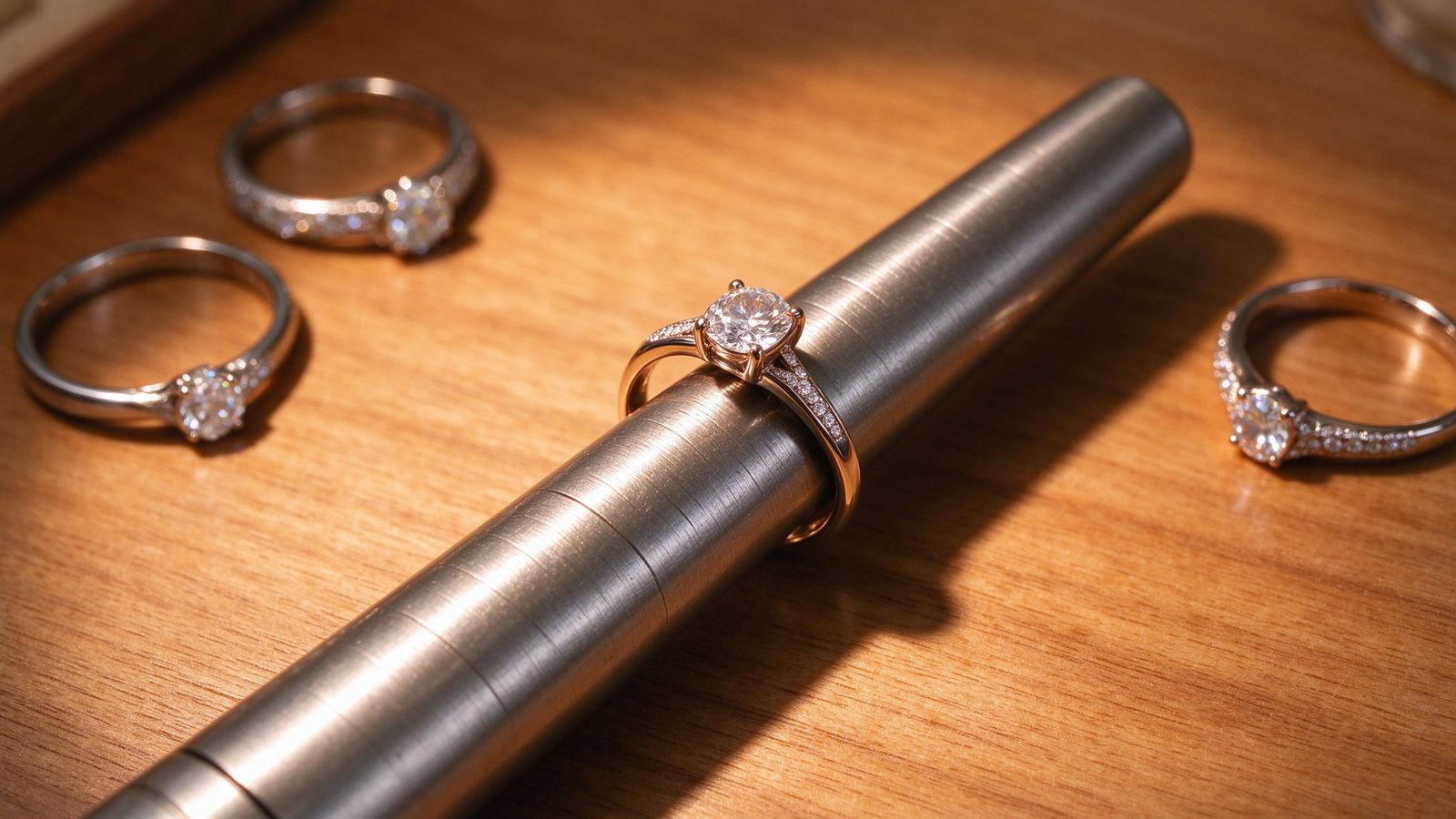
Rings also go out of round, especially thin bands worn daily. A jeweler can round them on a mandrel in a process called trueing, which restores the circular shape. If a ring shank has thinned to a groove from years of friction, the jeweler may recommend rebuilding the shank, a standard repair that extends the ring's life. Never try to bend a ring back yourself, because thin gold cracks.
Watch for signs that a ring needs structural work: it no longer sits straight, it feels springy, or a visible groove has worn inside the band. These are early warnings that the shank is fatigued. A shank rebuild is inexpensive and prevents the ring from splitting, which would destroy it. Solid gold rings can be resized and reshaped many times over their life, which is part of their lasting value.
| Problem | Urgency | Professional Repair |
|---|---|---|
| Loose stone | High | Immediate tightening |
| Worn prong | High | Retip |
| Broken chain | Medium | Solder / clasp replace |
| Out-of-round ring | Low | True on mandrel |
| Thin shank | Medium | Shank rebuild |
Plating, Polishing, and Refinishing
White gold rhodium plating wears off over one to three years, revealing the warm alloy underneath. This is normal, and a jeweler re-plates the ring inexpensively, restoring the bright white finish. Rose and yellow gold sometimes need re-polishing to remove micro-scratches, but polishing removes a tiny layer of metal, so it should be done occasionally, not constantly. Over-polishing eventually wears through thin details and engraving.
Silver tarnish can be removed at home with a polishing cloth for routine dullness, but heavy tarnish or antique silver may benefit from professional cleaning. Platinum develops a soft satin patina that many wearers prefer to a high polish, so ask whether you want it polished or left to age. Jewelers can also restore pieces that have been bent, dented, or misshapen, reshaping bangles and cuffs within limits.
When a piece looks tired but is structurally sound, refinishing brings it back. A broken clasp, a loose stone, and a fresh polish turn a neglected piece into one you wear again. Keep all refinishing work to a trusted jeweler, because aggressive polishing by an amateur can ruin a delicate vintage piece.
What You Should Never Repair Yourself
A few repairs are best left to professionals. Never solder your own jewelry with a household iron or torch, because the heat can damage stones, solder joints, and plating. Never bend prongs or cuffs back by hand, which causes metal fatigue and cracks. Never use household glue to set a stone, because it clouds the setting and makes professional repair harder later.
Stuck rings should not be cut off at home; a jeweler has a ring cutter that protects the finger and the ring. Pearls and strung pieces should be restrung only by a professional who knots between pearls, because a knotted strand prevents all pearls from scattering if the cord breaks. Antique or valuable pieces should always be assessed by an expert, because a well-meaning home repair can destroy their value.
The rule is simple: cleaning and polishing cloths are home territory; soldering, stone setting, resizing, and restringing are jeweler territory. When in doubt, take the piece in for an inspection, because most jewelers will look at it and tell you whether it needs work for free. That short conversation prevents a costly mistake.
Building a Relationship With a Jeweler
The best protection for your collection is a trusted jeweler you return to regularly. Find one who inspects pieces for free, explains repairs clearly, and does not push unnecessary work. Bring pieces in annually for a prong check and clean, and keep all receipts and grading reports together. Over time, that jeweler gets to know your pieces and can advise on repairs, resizing, and refinishing.
When you buy jewelry wholesale or online, having a local jeweler who can service it is essential, because the manufacturer is far away. A yearly inspection catches loose prongs and thin shanks before they become emergencies, and a professional steam clean keeps pieces bright. Think of jewelry care like dental checkups: small, regular visits prevent painful, expensive crises.
With this approach, your collection stays wearable and secure. Most jewelry lasts for generations when minor issues are fixed promptly, and the pieces you love become family heirlooms rather than broken objects in a drawer. Know the warning signs, act early, and trust a professional with anything beyond simple cleaning.
Understanding Repair Costs and Options
Jewelry repairs range from cheap and routine to more involved, and knowing what to expect helps you budget. Tightening a loose prong, replacing a clasp, or fixing a broken chain are modest, routine services. Resizing, re-tipping worn prongs, and rebuilding a thin shank cost more but are still affordable compared with replacing a stone. The principle is that early repairs are always cheaper than waiting until something breaks.
When you bring a piece in, ask for a clear quote and an explanation. A reputable jeweler will tell you whether the repair is worth it or whether the piece is too far gone to fix. For a sentimental piece, repair is almost always worth it. For a cheap fashion piece, it may be cheaper to replace. Knowing the cost before work begins prevents surprises.
Keep all repairs documented. A jeweler's receipt noting a re-tip or resizing adds to the piece's history and helps future servicing. Insured pieces may even cover repair costs for damage. Never attempt soldering, stone setting, or ring cutting at home, because these require specialized tools and can damage the piece or injure you. Leave them to the jeweler.
Build a relationship with one trusted jeweler over the years. They get to know your pieces, remember your ring sizes, and offer consistent, fair service. A yearly inspection catches small problems, and the occasional repair keeps your favorite pieces wearable. Most solid jewelry lasts for decades because it is repaired and maintained, not replaced.
Restoring Vintage and Heirloom Jewelry
Vintage and heirloom jewelry often needs gentle restoration. A neglected piece may have tarnish, loose stones, a worn chain, or tired plating. A skilled jeweler can clean, tighten, re-plate, and repair it, often reviving a piece that looked beyond saving. But vintage pieces require care: aggressive polishing can erase original detail, and old settings may be fragile, so restoration should be conservative.
Before restoring an heirloom, decide whether you want it as-worn or refreshed. Some owners prefer to preserve the patina and signs of age, which add character. Others want it wearable and bright. Discuss this with the jeweler, because over-restoration can reduce a vintage piece's value. Preserving original detail while making the piece safe to wear is the goal.
If an inherited piece has a stone you love in a tired setting, resetting it into a modern mounting gives the stone new life. This is especially popular with family diamonds and gemstones. A careful reset honors the stone while making it comfortable to wear. Keep any old setting parts, because they may have sentimental value or usable metal.
Restoration is a way of continuing a family story. A carefully revived heirloom becomes something you actually wear rather than store away. Choose a jeweler experienced with vintage pieces, communicate how much restoration you want, and preserve the piece's character. Done well, restored jewelry carries both its history and its future, ready to be worn by a new generation.
Preventing Repairs Through Smart Wear
The best repair is the one you never need. Many jewelry problems come from avoidable wear: wearing rings while gardening, sleeping in bracelets, or showering with necklaces. Building simple habits removes most repairs before they happen. Take rings off for heavy work, sleeping, and swimming. Store pieces separately so they do not scratch. Clean them gently rather than aggressively. These habits prevent bent prongs, lost stones, and tarnish.
Know your pieces' weak points. A pavé band needs prong checks; a thin shank needs monitoring; a chain needs its clasp tested. A quick self-check, running a finger over prongs and clasps, catches small issues. When something feels rough or loose, stop wearing the piece and book a repair. Early attention is cheap and easy.
Most jewelry lasts for decades because it is sensibly worn and periodically serviced, not because it sits untouched. Remove it when it is at risk, wear it proudly the rest of the time, and see a jeweler when something feels off. This combination of smart wear and prompt repair keeps your collection beautiful and secure for a lifetime.
When a Piece Is Beyond Repair
Most jewelry can be repaired, but occasionally a piece is too worn or damaged to justify it. A badly cracked shank, a badly melted vintage piece, or a hollow piece that has collapsed may not be worth fixing, especially if the materials are cheap. A good jeweler will tell you honestly when repair is not worth the cost. In those cases, the metal and stones can often be recycled or reused in a new piece, so nothing is truly wasted.
For sentimental pieces, almost any repair is worth it, because the emotional value exceeds the cost. Build a relationship with a jeweler you trust, bring pieces in early, and act on loose prongs before stones fall out. With prompt care, most jewelry lasts for decades. Knowing when to repair and when to rework keeps your favorite pieces wearable for life.
Frequently Asked Questions
How do I know if a stone is loose?
Gently touch the stone with a fingertip. If it moves, tilts, or feels wobbly, or a prong snags on clothing, stop wearing the piece and have a jeweler tighten it immediately.
Can I resize any ring?
Most solid gold, silver, or platinum rings can be resized a couple of sizes. Eternity bands set all around cannot be resized, and delicate vintage rings need careful work.
How much does jewelry repair cost?
Small repairs like tightening a prong or replacing a clasp are modest and routine. Resizing, re-tipping, and shank rebuilds are affordable compared with replacing a stone. Get a quote before work begins.
Should I clean my jewelry before a repair?
Yes, a gentle warm-soapy clean helps the jeweler see the problem clearly. Avoid heavy polishing, which can obscure a loose prong.
How often should I have jewelry inspected?
Once or twice a year for daily-wear rings, with a prong check and professional clean. This catches loose stones and worn prongs before they cause loss.
Most jewelry problems are minor until they are ignored. Loose stones, worn prongs, broken chains, and thin shanks are all repairable when caught early, and a trusted jeweler handles them quickly and affordably. Know the warning signs, stop wearing a piece that moves or snags, and leave soldering and stone setting to the professionals. With annual inspections and prompt repairs, your jewelry stays secure, beautiful, and wearable for decades, ready to become the heirloom it was made to be.