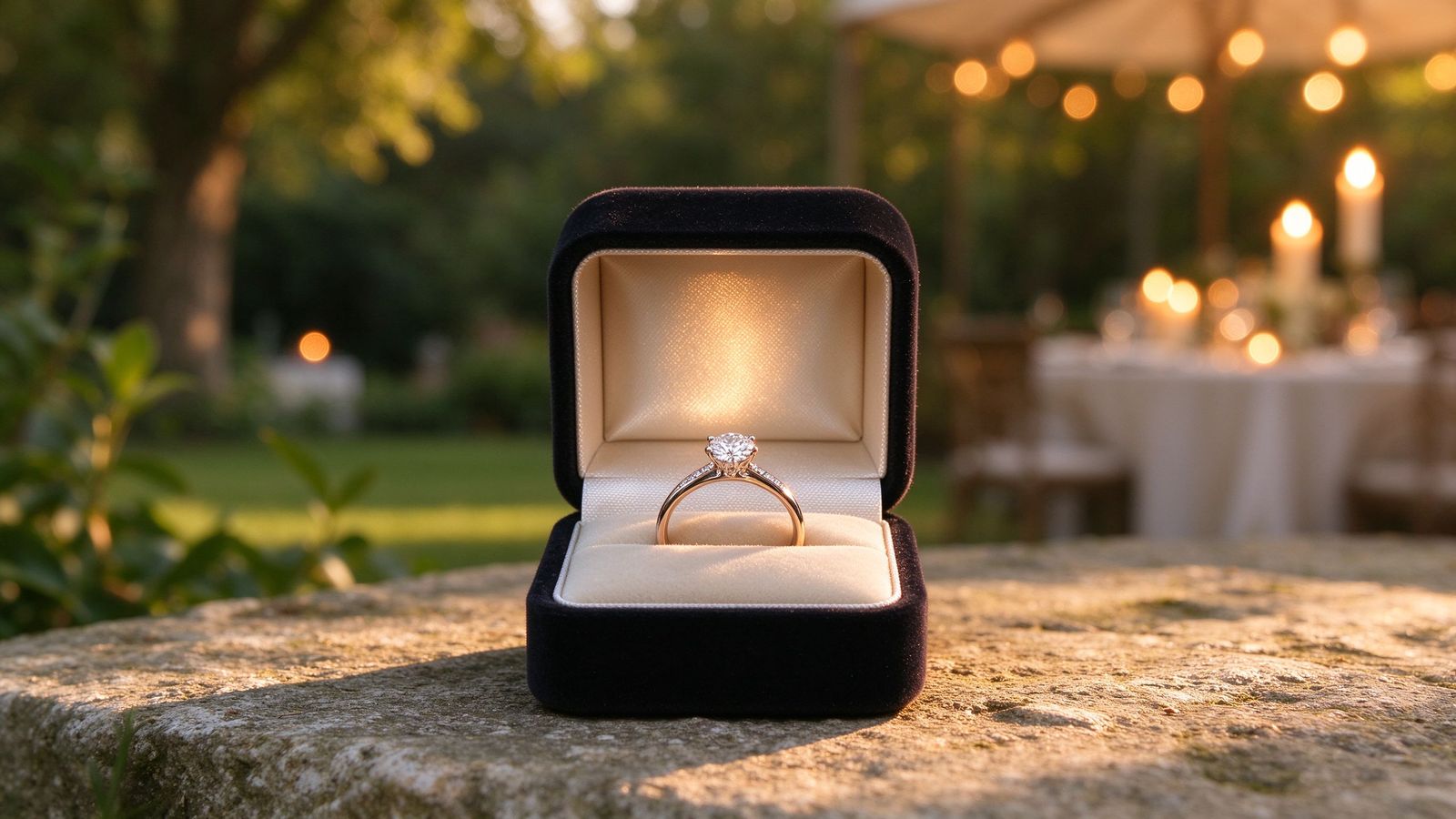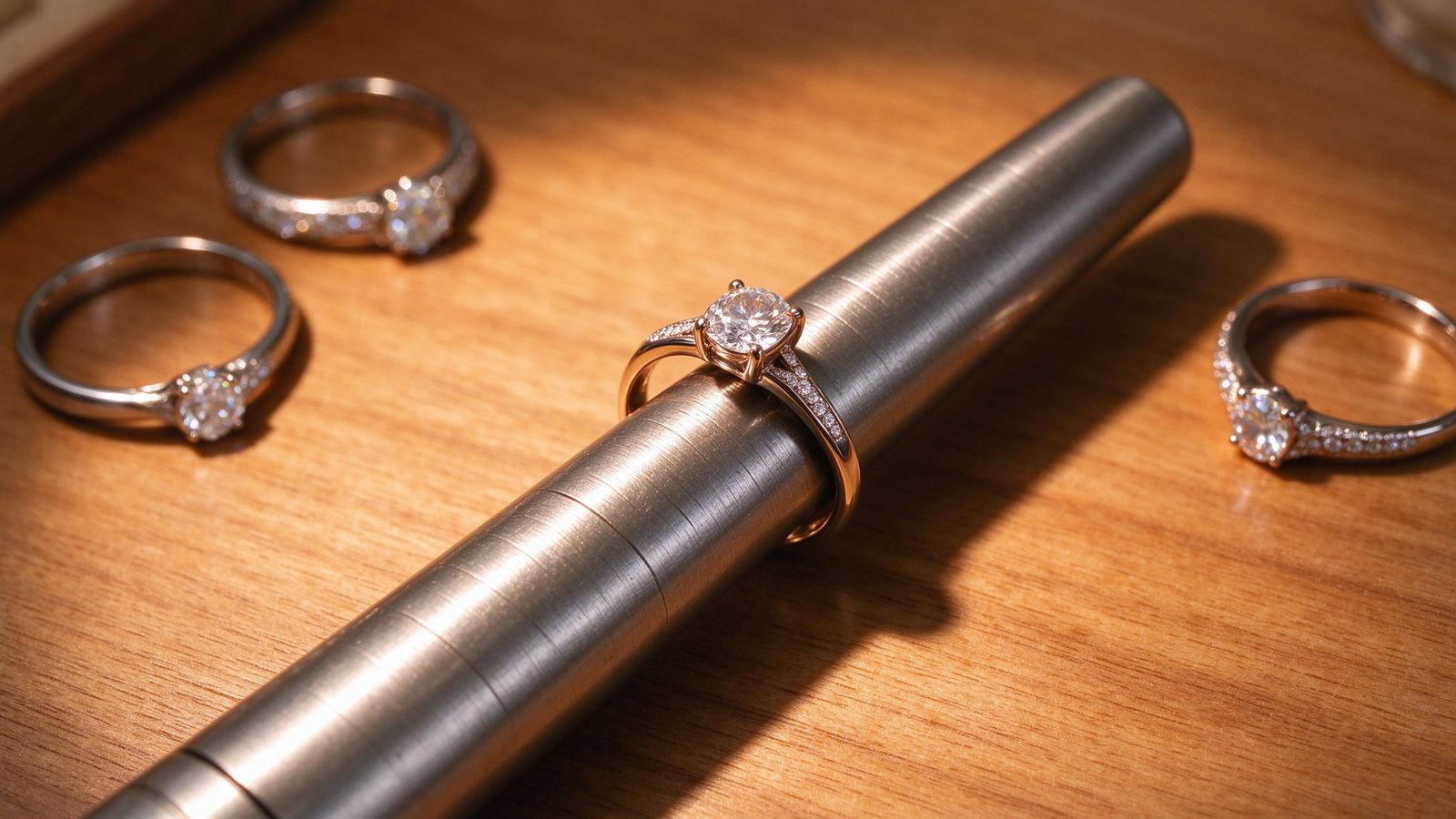
Fine jewelry deserves proper protection. Understand your insurance options and ensure your pieces are fully covered.
Why Jewelry Insurance Matters
Standard homeowners or renters insurance covers jewelry only up to a limit (typically $1,000-2,500) and only for specific perils (theft, fire). A jewelry insurance rider (also called a floater or endorsement) provides comprehensive coverage.
Coverage Options
TABLE:
| Coverage Type | What's Covered | Cost | Best For |
|---|---|---|---|
| Homeowners rider | Loss, theft, damage, mysterious disappearance | $1-2/$100/year | Existing policyholders |
| Specialty jewelry insurance | All risks, worldwide, including accidental damage | $1.50-3/$100/year | Valuable collections |
| Travel insurance | Loss/theft while traveling | Included or $20-50/trip | Frequent travelers |
What You Need for Coverage
To insure jewelry, you'll need: a professional appraisal (or detailed receipt), photographs, the original certificate (for stones), and proof of ownership. Keep these documents in a secure location separate from the jewelry.
Prevention Tips
Even with insurance, prevention is best: store jewelry in a home safe or safe deposit box, photograph your collection, don't wear valuable jewelry in risky situations, and register valuable pieces with a jewelry recovery database.
Frequently Asked Questions
Does insurance cover lost stones?
A proper jewelry rider covers mysterious disappearance, including stones that fall out. Basic homeowners insurance may not.
How often should I update my appraisal?
Every 2-3 years, or when metal/gemstone prices change significantly. An outdated appraisal may leave you underinsured.
Conclusion
Protecting your jewelry ensures your investment lasts a lifetime. Holycome provides appraisals and documentation for insurance coverage. Contact service@holycome.com to learn more.