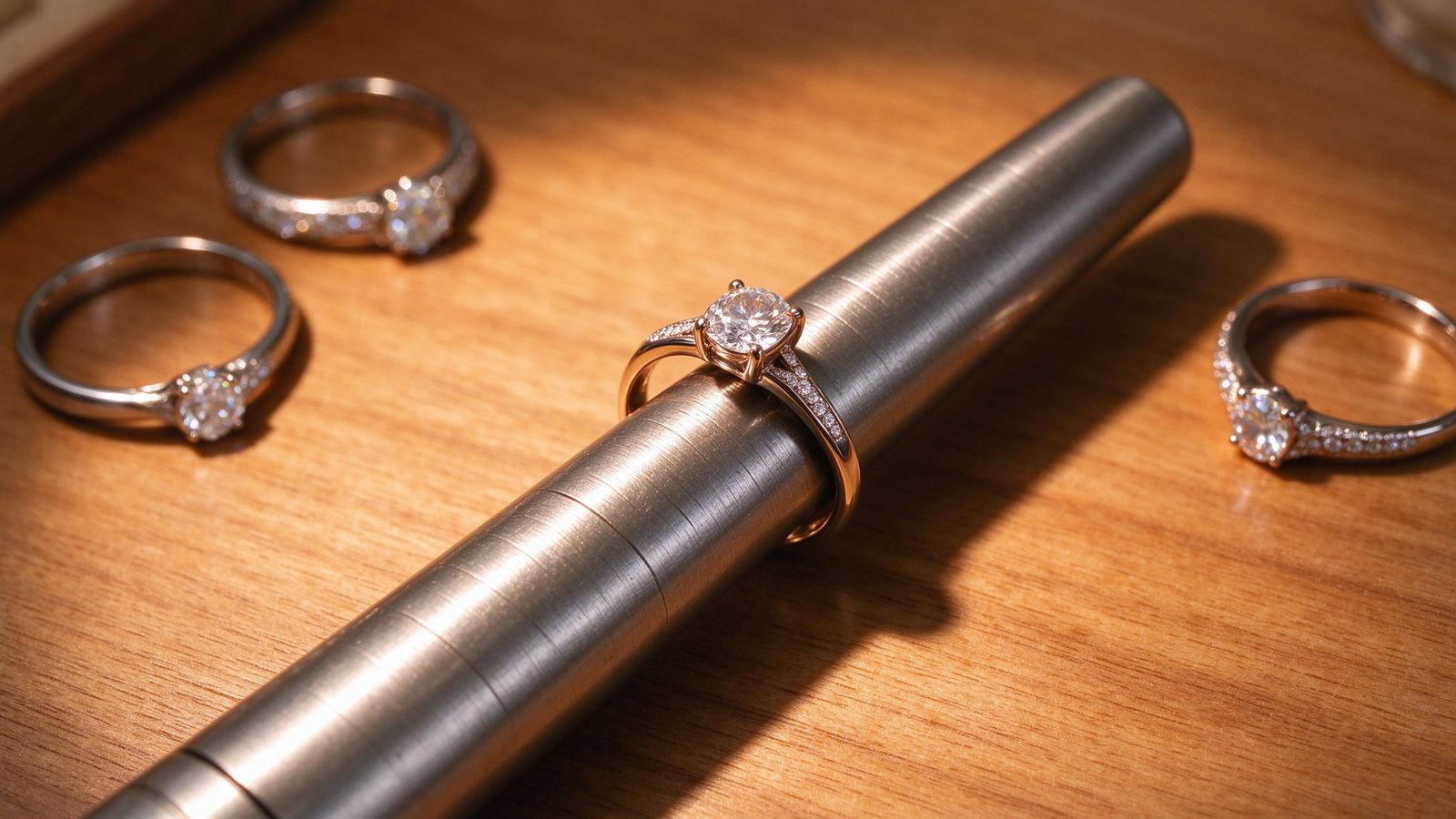
How to Clean and Care for Sapphire Jewelry
Sapphires are among the most practical colored gemstones you can wear. A 9 on the Mohs scale, second only to diamond in hardness, a sapphire resists scratches and handles daily wear far better than softer gems like emerald or opal. That durability makes sapphires a favorite for engagement rings, which is exactly why it is surprising how many owners damage them through the wrong cleaning methods or miss signs that a stone needs attention.
This guide explains how to clean sapphire jewelry safely, what heat treatment means and how it affects care, how to protect sapphires in settings, and the difference between blue and fancy colored sapphires. Because sapphires are so tough, the care routine is refreshingly simple, but there are a few important nuances that keep your sapphire looking its best for life.
What Makes Sapphires Durable
A sapphire is a variety of corundum, crystalline aluminum oxide, and it rates 9 on the Mohs hardness scale. That means almost nothing in daily life can scratch it except a diamond. You can wear a sapphire engagement ring to the office, the gym, and the kitchen without worrying about scratches the way you would with an emerald. This toughness is why sapphires have become such a popular alternative to diamonds, especially in the deep royal blue that has graced royal engagement rings for decades.
Durability is not invincibility. Sapphires can chip if struck sharply against a hard surface at the right angle, especially along an edge or an included zone. Very dark or heavily included sapphires can also have internal features that make them slightly more prone to fracture. So while you can wear a sapphire daily, remove it for heavy lifting, gardening, and contact sports, the same caution you would give any fine jewelry.
Sapphires come in every color but red, which is the ruby. Blue sapphires are the classic, but fancy sapphires in pink, yellow, padparadscha orange, and teal are increasingly popular. Care is essentially the same across colors, though very light or treated stones sometimes deserve slightly gentler handling. The advantage is that sapphire care is straightforward: it tolerates cleaning methods that would ruin softer gems.
Cleaning Sapphire Jewelry Safely
Sapphires tolerate warm soapy water, soft brushing, and even ultrasonic cleaners. The standard method is to soak the piece in warm water with mild dish soap for ten to twenty minutes, then gently brush around the stone and under the setting with a soft brush. Rinse thoroughly with the drain closed, and dry with a lint-free cloth. This removes the skin oils and lotion that cloud a sapphire's transparency over time.
Because sapphires are so hard, an ultrasonic cleaner is generally safe and is the fastest way to reach under pavé settings and along the girdle. However, use judgment: if the sapphire has visible fissures or was heavily fracture-filled, the ultrasonic can work those features open. If you know your stone is untreated and clean, ultrasonic is fine. If you are unsure, stick to the soap-and-brush method, which is always safe.
Steam cleaning is also usually safe for sapphires, but like ultrasonic, avoid it on stones with significant internal fractures or treatment. Never use bleach or harsh chemicals, because they damage the metal setting rather than the sapphire itself, and avoid sharp blows that could chip the girdle. For an everyday sapphire ring, a monthly soap clean keeps it crisp and bright.
Understanding Heat Treatment
Nearly all sapphires on the market are heat treated, a process that has been used for centuries and is completely accepted in the trade. Heating a sapphire improves its color and clarity by dissolving cloudy silk inclusions and evening out the blue. Heat-treated sapphires are stable, permanent, and require no special care; the treatment does not wear off. This is normal and should not alarm a buyer.
What matters is disclosure. A sapphire that has been routinely heated is a good, durable value. A sapphire that has been fracture-filled or diffusion-treated, where color is added to the surface, is a different story and requires more careful handling, because the surface treatment can wear under ultrasonic cleaning or heat. Always ask whether the stone has been treated beyond standard heating, and get the answer in writing. Standard heating needs no special care; unusual treatment means gentler cleaning.
Because untreated sapphires are rare and expensive, most buyers choose heat-treated stones, which is the sensible, durable choice. The key is knowing what you have. A reputable seller provides a gemological report that states the treatment, and that report tells you exactly how aggressively you can clean and wear the stone.
| Treatment | Common? | Care |
|---|---|---|
| Standard heat | Very common | Normal cleaning |
| Fracture filling | Rare | Gentle, no ultrasonic |
| Surface diffusion | Rare | Avoid heat and dips |
Protecting the Setting and Prongs
The sapphire itself is tough, but the setting around it is the weak point. Sapphires are often set in prong or bezel settings, and the prongs can catch on clothing and loosen over years. Every time you clean your sapphire ring, inspect the prongs with a magnifier. A prong that snags fabric or feels rough needs tightening, because a loose sapphire, though hard, can fall out just as a diamond can.
Bezel settings, where a rim of metal wraps the stone, are the most secure for sapphires and are popular for active owners. Prong settings show more of the stone and let in more light, but they require annual checks. Because sapphires are often cut slightly thicker than diamonds to protect their edges, make sure the setting sits the stone low and secure. Have a jeweler inspect the setting once a year, especially on rings worn daily.
White gold and platinum settings protect sapphires beautifully, but remember that white gold rhodium plating wears and needs re-plating independently of the stone. A sapphire in a yellow-gold setting conveys warmth, while a platinum setting makes the blue look cooler and more vivid. Whatever the setting, treat it as the component that needs servicing, while the sapphire itself stays essentially unchanged.
Caring for Fancy and Padparadscha Sapphires
Fancy sapphires, in pink, yellow, green, and orange, are cared for the same way as blue sapphires: hard, durable, and safe to clean with soap and water. The main nuance is that some very light pastel sapphires are heat-treated or diffusion-colored, so verify the treatment before ultrasonic cleaning. Padparadscha sapphires, the coveted pink-orange variety, are rare and valuable, and their color is sensitive to harsh chemicals and prolonged heat, so keep them away from perfume and household cleaners.
Colored sapphires also show dirt differently than diamonds. A small oil film dulls a colored stone more visibly than a brilliant white diamond, because the color itself is the attraction. Clean colored sapphires a little more often to keep their hue vivid. Store them separately from other jewelry, because although a sapphire cannot be scratched by most things, it can scratch softer gems and gold, and it can be chipped if a harder diamond knocks against it.
When wearing a fancy sapphire, remember that sunlight affects color perception. Some sapphires shift color slightly under different light, which is a natural optical property, not damage. Protect the stone from prolonged exposure to strong chemicals, and it will keep its hue for decades without fading. Sapphires, unlike some colored stones, do not bleach or fade in light, which is part of their long-term appeal.
When to Insure and Inspect
A sapphire engagement ring or a fine sapphire pendant is a significant piece of jewelry, and it should be insured and inspected. Keep a gemological report describing the stone's weight, color, and treatment, and have the ring photographed and appraised for insurance coverage. Annual checks confirm the prongs, and the occasional professional steam clean keeps the setting fresh.
Because sapphires are so durable, they rarely need the stone itself repaired, but settings wear and prongs thin. A re-tip or a re-plating is inexpensive compared with the loss of a stone. Treat your sapphire ring like a durable companion: clean it monthly, check it yearly, and wear it confidently. With this minimal care, a sapphire will outlast almost any other gemstone in your collection and remain as vivid as the day you bought it.
Caring for Sapphire Engagement Rings
Sapphire engagement rings are increasingly popular because they are meaningful, colorful, and durable. A sapphire ring worn daily should be cleaned monthly and inspected annually. The blue itself shows oil more visibly than a white diamond, so regular cleaning keeps the color vivid. Use warm soapy water and a soft brush, paying attention under the stone where lotion collects. A clean sapphire glows; a dirty one looks dull and gray.
The setting around a sapphire needs the same vigilance as any ring. Inspect the prongs each time you clean, because a sapphire, though hard, falls out if its prongs loosen. Bezel settings are the most secure for sapphires and suit active owners. White gold settings need re-plating independently of the stone. Have the ring checked once a year so prongs are retipped before they fail.
Sapphire engagement rings pair beautifully with diamond accents or a halo. The small surrounding diamonds need cleaning too, because they trap grime. A soft brush along the pavé keeps the whole ring bright. Because sapphires do not fade and are so hard, the main long-term task is maintaining the setting, not the stone. That makes a sapphire ring one of the lowest-maintenance engagement choices.
For wholesale, sapphire engagement rings are a strong, on-trend category. Customers love the unique color and the durability. Stock eye-clean, standard-heated stones in secure settings, and disclose treatment. A well-set, vivid sapphire ring is a piece customers wear for decades, which makes it a cornerstone of a bridal collection.
Sapphire Color and Light
Sapphire color shifts slightly under different lighting, which is a natural optical property, not a flaw. A sapphire may look a deeper blue in daylight and slightly softer under warm indoor light. This variation is part of the stone's character and is especially noticeable in fancy and color-change sapphires. When choosing a sapphire, view it in both natural daylight and warm indoor light to see its range, because the stone will be seen in both.
Very dark sapphires can look almost black in low light, while pale stones look washed out in bright sun. The ideal medium-vivid blue balances across lighting conditions. If you only ever see a sapphire in a jeweler's bright display, you may be surprised by how it looks at home. Ask to view it by the window and under ordinary room light before deciding.
Sapphires do not fade in sunlight, unlike some softer colored stones. Their color is stable for decades, so you do not need to store them away from light. This makes them excellent for jewelry worn outdoors. The only care caveat is protecting the stone from knocks and the setting from chemicals. Enjoy the color in every light, because it will not change.
When sourcing wholesale, photograph sapphires in natural daylight, because that is when their true color shows. Indoor display lighting can flatter a weak stone. Honest, daylight photography sets customer expectations correctly and reduces returns. A sapphire that looks good in daylight will look good in the customer's everyday life.
Sapphires Across Colors and Settings
Sapphires in every color are cared for the same way: hard, durable, and happy with warm soapy water. Blue, pink, yellow, and padparadscha sapphires all rate 9 and resist scratches. The main care nuance is avoiding knocks that chip an edge, and keeping harsh chemicals away from the setting. Because colored sapphires show dirt more visibly than white stones, clean them a little more often to keep the hue vivid.
The setting around a sapphire deserves attention regardless of color. Prongs should be checked annually, and white gold settings re-plated as needed. A bezel setting protects the stone best for active wearers. Whether the sapphire is a classic blue or a fancy pink, treat the setting as the component that needs servicing, while the stone itself stays essentially unchanged.
Sapphires do not fade in sunlight, so they are safe to wear outdoors in every light. Store them separately, because although a sapphire cannot be scratched by most things, it can scratch softer gems and gold. With this simple care, a sapphire in any color stays bright and secure for decades, which is why it is such a practical, beloved gemstone.
Sapphire Color and Daily Wear
Sapphire color is stable and does not fade, which is one reason it is so loved for everyday jewelry. A blue sapphire keeps its vivid hue for decades without special storage away from light. The main daily care is protecting the setting and avoiding knocks that can chip an edge. Clean the stone monthly to remove the oil film that dulls its color, and check the prongs annually. With this simple routine, a sapphire stays as vivid as the day you bought it.
Frequently Asked Questions
Can I use an ultrasonic cleaner on sapphire jewelry?
Yes, for most sapphires. Because corundum is very hard, ultrasonic cleaning is safe unless the stone is heavily fractured or fracture-filled. When in doubt, use warm soapy water and a soft brush.
Do sapphires need special care because they are heat treated?
Standard heat treatment is permanent and stable, so no special care is needed. Avoid ultrasonic and steam only if the stone has fracture filling or surface diffusion treatment.
Can I wear a sapphire ring every day?
Yes. Sapphires rate 9 on the Mohs scale and resist scratches, making them ideal for daily-wear engagement rings. Remove them only for heavy impact like gardening or contact sports.
Why does my sapphire look dull?
Oil and lotion film dulls sapphires just like diamonds. A warm soapy soak and gentle brushing restores the color and clarity. If dullness persists, have a jeweler check the setting.
Do sapphires fade in sunlight?
No. Sapphires are stable and do not fade with light exposure, unlike some softer colored stones. Their color is permanent over decades of wear.
Sapphires are the easiest colored gemstones to live with: hard, scratch-resistant, and happy with warm soapy water. Clean them monthly, inspect the prongs annually, and keep harsh chemicals away from the setting. Understand whether your stone has only standard heat treatment, and adjust your cleaning if it has been fracture-filled. With this minimal routine, a sapphire stays vivid and secure on your finger for a lifetime, which is exactly why it has been trusted for generations of meaningful jewelry.