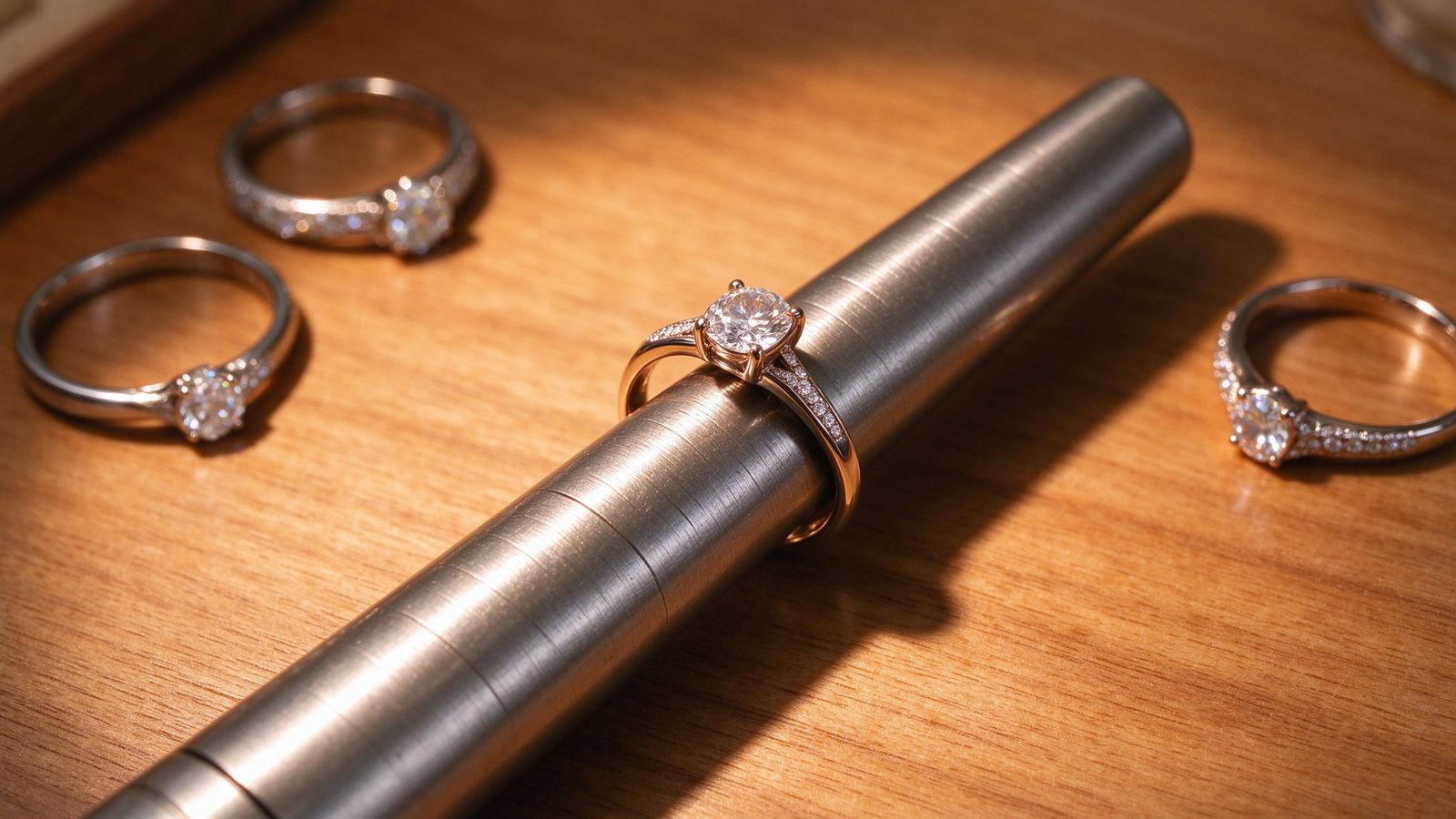
How Custom Jewelry Is Designed and Created: The Bespoke Journey
Custom jewelry turns a personal idea into a one-of-a-kind object, and it is one of the most rewarding journeys in the craft. Whether it is an engagement ring set with a family stone, a necklace that celebrates a birth, or a redesign of inherited jewelry, the bespoke process transforms emotion into metal. Yet many people are unsure how custom jewelry actually happens, and worry about cost, timing, and whether the result will match their vision.
This guide walks through the custom jewelry process from first conversation to finished piece. It explains how ideas become sketches, how CAD lets you preview the design, how the piece is cast and set, and what to expect on timing and cost. By the end, you will know exactly how a custom piece comes to life and how to commission one with confidence.
The Initial Consultation and Brief
Every custom piece begins with a conversation. The customer describes the idea: the occasion, the stones, the metal, the style, and the budget. A good atelier listens and asks questions, understanding not just the design but the meaning behind it. Is the ring a surprise proposal? Does it incorporate a family stone? What is the wearer's lifestyle? These details shape the design far more than a pretty sketch alone.
The brief also establishes practical constraints: budget, timing, and the wearer's ring size if unknown. The atelier explains what is achievable within those limits, often suggesting design choices that balance beauty with wearability. A custom piece should not just look beautiful; it must be comfortable and durable enough for daily life. This early conversation sets expectations and ensures the design fits both the heart and the wallet.
Many customers bring inspiration photos, heirlooms, or stories. The atelier translates these into a workable direction. By the end of the consultation, there is a clear sense of the piece's style, stones, metal, and budget. This shared brief is the foundation everything else builds on.
Sketching and Digital Design
From the brief, a designer creates sketches or, in most modern ateliers, a CAD model. The sketch explores proportions and style, while the CAD model lets the customer see the piece realistically from every angle. This is where the vision becomes concrete: the shape of the setting, the band width, the placement of stones, and the overall balance are refined on screen.
CAD is especially valuable for custom work because changes are easy and free. The customer can see how a different band width or a halo would look before any metal exists. This iterative process means the design is approved with confidence, eliminating the surprise of a finished piece that does not match expectations. For pieces involving an existing family stone, the stone's exact dimensions are scanned or measured and the setting is built around it.
Once the design is approved, a rendering is signed off. This is the moment the idea becomes a fixed plan. Modern custom jewelry has removed the uncertainty that once bespoke commissions carried: you see exactly what you will get, and you can refine it until it feels right.
Sourcing Stones and Materials
With the design fixed, the atelier sources the materials. For a diamond or gemstone, they offer options matched to the customer's budget, with independent grading reports. The customer chooses the stone, weighing cut, color, clarity, and carat. For a family stone, it is carefully prepared for setting. The metal is chosen: 14K, 18K, platinum, or another alloy, in the color the design requires.
This stage is where custom jewelry becomes personal. The stone is selected for the individual, not pulled from a case. The atelier may offer several stones so the customer compares them in hand, choosing the one that speaks to them. Honest suppliers disclose treatments and provide reports, so the customer knows exactly what they are buying. This transparency is especially important for a one-of-a-kind, emotional purchase.
Sourcing can take time, because the perfect stone may need to be located. This is why custom jewelry takes weeks or months rather than days. The wait is part of the process: the atelier is assembling exactly the right materials for the exact design, rather than selling an existing piece from a shelf.
Casting, Setting, and Finishing
Once materials are ready, the approved CAD model is 3D-printed as a wax master and cast in the chosen metal using lost wax casting. The raw casting is cleaned, and the stones are set by hand under magnification. The family stone or chosen diamond is secured in its seat, with prongs or a bezel tailored to hold it safely. This is slow, precise work, because the stone is irreplaceable and must be set perfectly.
After setting, the piece is polished and, for white gold, rhodium plated. The final finishing brings out the metal's luster and smooths every edge. The atelier inspects the finished piece against the approved design, checking that the stone is secure, the finish is flawless, and the ring size is correct. Only when it passes internal inspection does the piece move toward delivery.
This is the same atelier process used for production pieces, but applied to a single, unique object. The difference is that every stage is tailored: the setting built around a specific stone, the design approved by a specific customer, the finish tailored to a specific story. The result is a piece that could not exist for anyone else.
| Step | What Happens |
|---|---|
| Consultation | Brief, budget, story |
| Design | Sketch and CAD approval |
| Sourcing | Choose stone and metal |
| Casting/setting | Build and set the piece |
| Finishing | Polish, inspect, deliver |
Timing, Cost, and Communication
Custom jewelry typically takes four to eight weeks, sometimes longer if a special stone needs sourcing. The process involves design iteration, stone procurement, casting, setting, and finishing, each of which takes time. Rush orders are possible but cost more, and good work cannot be rushed. Understanding the timeline helps customers plan, especially around a proposal or wedding date.
Cost reflects the bespoke nature: design labor, a unique casting, hand setting, and sourced materials all contribute. While custom can cost more than an off-the-shelf piece, it also delivers exactly what you want, and wholesale-direct ateliers often make custom work more accessible than retail boutiques. A transparent atelier provides a clear quote upfront, so there are no surprises.
Communication throughout the process is key. Good ateliers send progress photos, share stone options, and explain each stage. This keeps the customer involved and confident. A custom commission should feel collaborative, not mysterious. Choose an atelier that communicates clearly, because that partnership makes the difference between a stressful process and an enjoyable one.
Receiving and Wearing Your Custom Piece
Delivery is the emotional payoff. The finished piece, exactly as designed, holds the story it was made for. A reputable atelier provides the grading report, metal documentation, and care instructions, and ensures the ring fits perfectly. Many customers return to have the piece cleaned and inspected over the years, building a long relationship with the workshop.
A custom piece is also heirloom material. Because it is one of a kind and tied to a personal story, it carries emotional value that mass-produced jewelry cannot. Family stones are reborn in modern settings, birthstones mark children, and designs reflect the wearer's taste exactly. These are the pieces that get passed down, with the story attached.
The custom journey, from first idea to finished jewel, is how jewelry becomes personal. When you commission a piece, you do not just buy metal and stone; you co-create an object that is uniquely yours. That is the enduring magic of bespoke jewelry, and it is why the best ateliers treat every commission as a partnership in making something that lasts a lifetime.
Communication Through the Process
A custom commission lives or dies on communication. The best ateliers send photos at each stage: the sketch, the CAD rendering, the wax, the casting, and the finished piece. This keeps the customer involved and catches misunderstandings early. If you are commissioning a piece, expect updates and ask questions. A transparent process means no surprises at delivery.
Before work begins, get a clear written quote covering design, stones, labor, and timeline. Confirm the ring size, the metal, and the stone details in writing. This protects both sides and ensures the finished piece matches the vision. Custom jewelry is a collaboration, and clear communication is what makes it joyful rather than stressful.
The Value of a Bespoke Piece
A custom piece carries emotional value that off-the-shelf jewelry cannot. It is designed around a specific stone, a specific story, and a specific person. That personalization is why custom pieces become heirlooms. They cannot be replicated, because they are built for one individual. For engagement rings, gifts, and family pieces, that uniqueness is worth the investment.
Buying custom direct from an atelier also means you understand and can revisit the maker. Over years, you can return to resize, re-plate, or add to the piece. This ongoing relationship turns a purchase into a long-term partnership. A custom commission is not just a piece of jewelry; it is the start of a relationship with the craft behind it.
The Joy of Wearing Something Yours
The payoff of a custom piece is that it could not belong to anyone else. It is built around your stone, your story, and your taste, and that makes it deeply personal. Whether it is an engagement ring with a family stone, a pendant marking a birth, or a redesigned heirloom, the piece carries meaning that off-the-shelf jewelry cannot. When you commission well, with clear communication and a trusted atelier, the result exceeds expectations. You wear not just a beautiful object, but the story of how it was made. That is the enduring magic of custom jewelry: it turns a personal idea into something you can hold and wear, and it becomes an heirloom that carries your story forward for the next generation.
Our Process for Bringing Your Idea to Life
When a customer commissions a custom piece, our workshop walks them through every stage. We start with a conversation about the stone, the story, and the budget, then create a CAD rendering they approve before any metal exists. That rendering is shown from every angle, so there are no surprises. If they have a family stone, we measure it and build the setting around it. Only after approval do we print the wax, cast it, set the stone, and finish it by hand.
We send progress photos along the way, so the customer is part of the journey. The result is a one-of-a-kind piece built around their stone and their story, which is why custom work means so much. We can reset heirlooms, design engagement rings, and create mother's rings set with children's birthstones. Because we control the whole process in-house, custom commissions are faster and more flexible than most customers expect. The finished piece is not just jewelry; it is an object that began as the customer's own idea and was brought to life on our benches.
From Conversation to Commission
A custom commission starts with a conversation, not a sketch. We ask about the stone, the story, the budget, and how the piece will be worn. If a customer brings a family stone, we measure it and build around it. We then create a CAD rendering shown from every angle, and the customer approves it before any metal exists. This digital preview is what removes surprises, because you see the ring before it is cast.
Once approved, we print the wax, cast it in the chosen metal, set the stone by hand, and finish it. We send progress photos so the customer stays part of the journey. Because we control every stage in-house, custom work is faster and more flexible than most expect. The finished piece is one of a kind, built around the customer's own stone and story. That is why custom commissions mean so much: they begin as your idea and leave our bench as something no one else in the world owns.
The Cost and Timeline of Custom
Customers often ask what a custom piece costs and how long it takes. Design work and 3D printing add a modest setup fee, but because we cast and finish in-house, the per-piece cost is reasonable. A typical commission takes a few weeks: design and CAD approval, then printing, casting, setting, and finishing. Rush orders are possible but cost more, so we recommend planning ahead. Get a written quote covering design, stones, labor, and timeline before work begins.
Because you approve the CAD rendering first, the final piece matches your vision. Custom costs more than off-the-shelf, but you receive a one-of-a-kind piece built around your stone and story. That uniqueness is why these pieces become heirlooms. Commissioning direct from the atelier keeps the process transparent and flexible, and the result is jewelry that could not exist anywhere else.
Frequently Asked Questions
How long does custom jewelry take?
Typically four to eight weeks, depending on design complexity and stone sourcing. Rush work is possible but costs more. Start the process well before the occasion.
How much does custom jewelry cost?
It depends on the stone, metal, and design labor. Custom costs reflect one-of-a-kind making, but buying direct from a wholesale atelier often makes it more accessible than retail.
Can I use a family stone in a custom piece?
Yes. The stone is measured or scanned, and a new setting is designed around it, giving an heirloom stone a fresh, modern setting while preserving the stone itself.
Will I see the design before it is made?
Yes. Modern ateliers use CAD renderings that let you approve the design from every angle and request changes before any metal is cast.
Is custom jewelry better than off-the-shelf?
It is more personal and exactly fitted to your taste and stones. Off-the-shelf offers speed and lower cost, but a custom piece is one of a kind and often becomes an heirloom.
Custom jewelry turns a personal story into a wearable object through a thoughtful journey: consultation, design approval, stone sourcing, casting, hand setting, and finishing. Modern CAD lets you see and refine the design before metal exists, removing uncertainty. The result is a one-of-a-kind piece built around your stones, your taste, and your story. Commissioned well, custom jewelry becomes not just an adornment but an heirloom that carries meaning for generations.