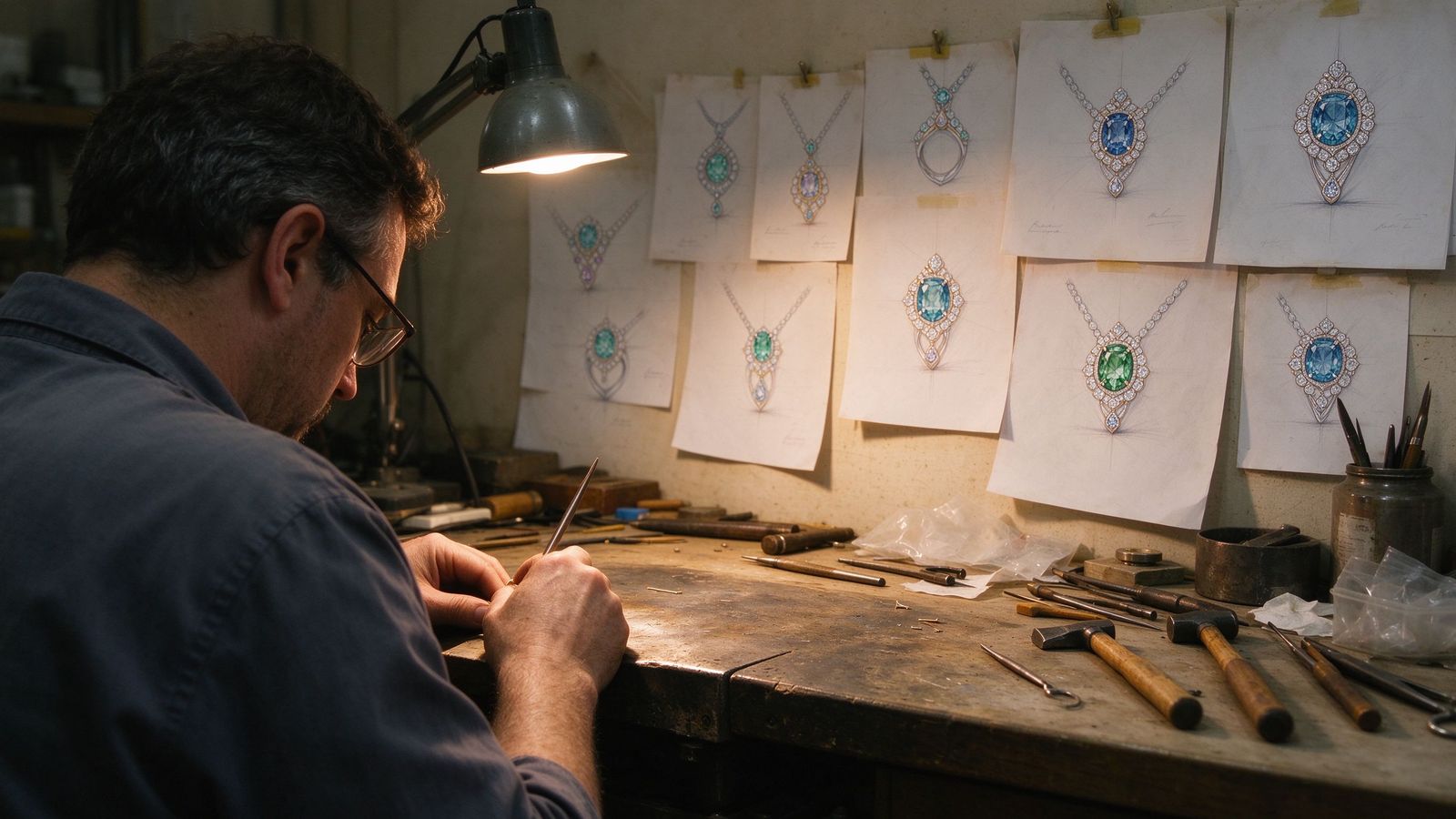
A beautiful design that falls apart in a year is no bargain. Learn the design principles that ensure your custom jewelry lasts for generations.
Structural Integrity
Durability starts with design. Prongs should be minimum 1.2mm at the tip. Bands should be at least 1.5mm thick for daily wear. Shank design should distribute stress evenly. Our designers review every design for structural soundness before production.
Material Choices for Durability
TABLE:
| Material | Hardness | Wear Resistance | Best For |
|---|---|---|---|
| Platinum | 90-110 HV | Excellent | Daily wear rings |
| 18K White Gold | 140 HV | Very Good | Daily wear |
| 18K Yellow Gold | 120 HV | Good | Occasional/daily |
| 925 Silver | 70 HV | Moderate | Fashion, occasional |
| Titanium | 250 HV | Excellent | Active lifestyle |
Stone-Setting Durability
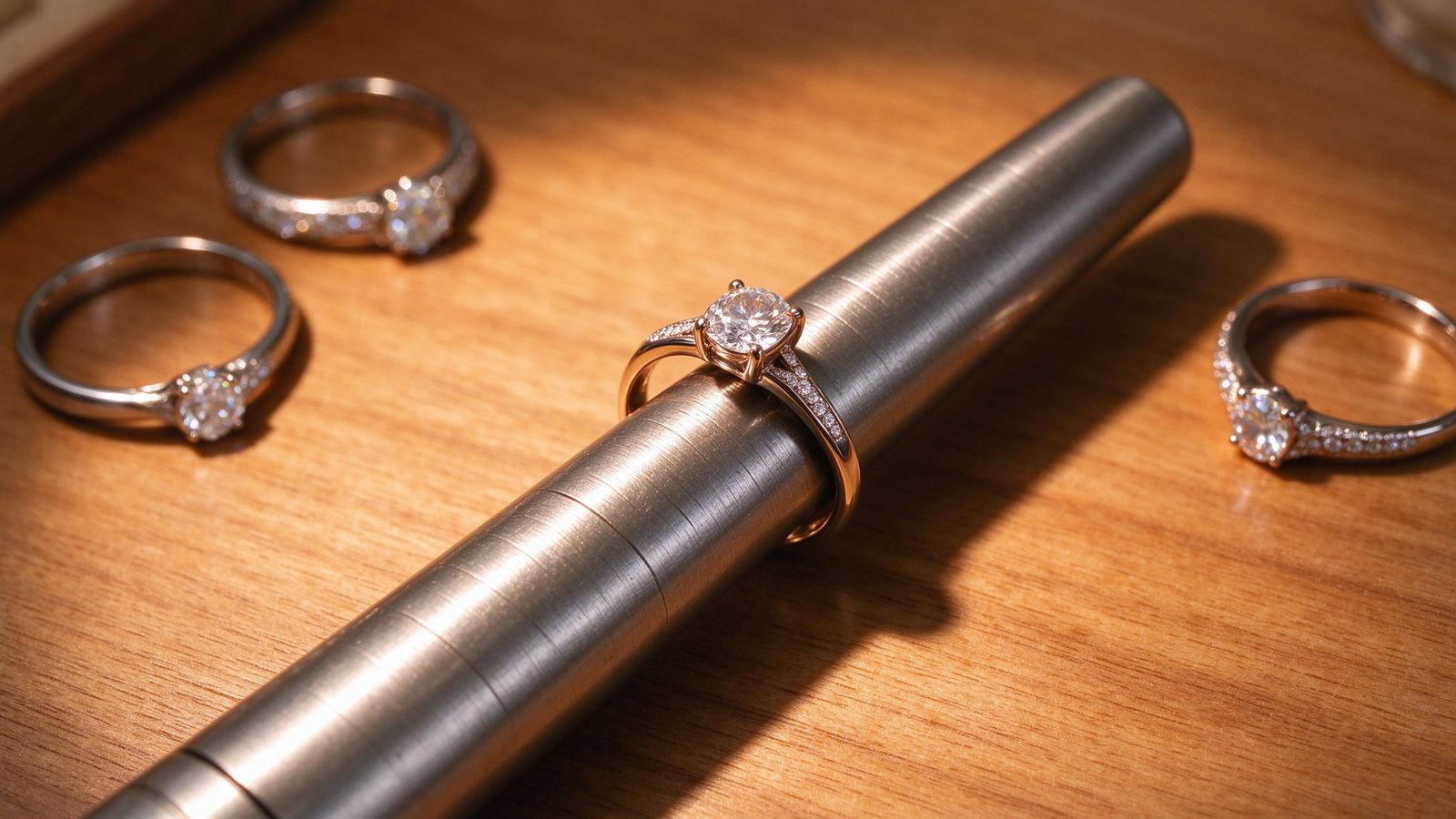
Bezel settings protect stone edges better than prongs. Channel settings secure stones on two sides. Six prongs offer redundancy if one breaks. For active clients, we recommend bezel or channel settings with durable stones like moissanite (9.25 Mohs).
Maintenance Design
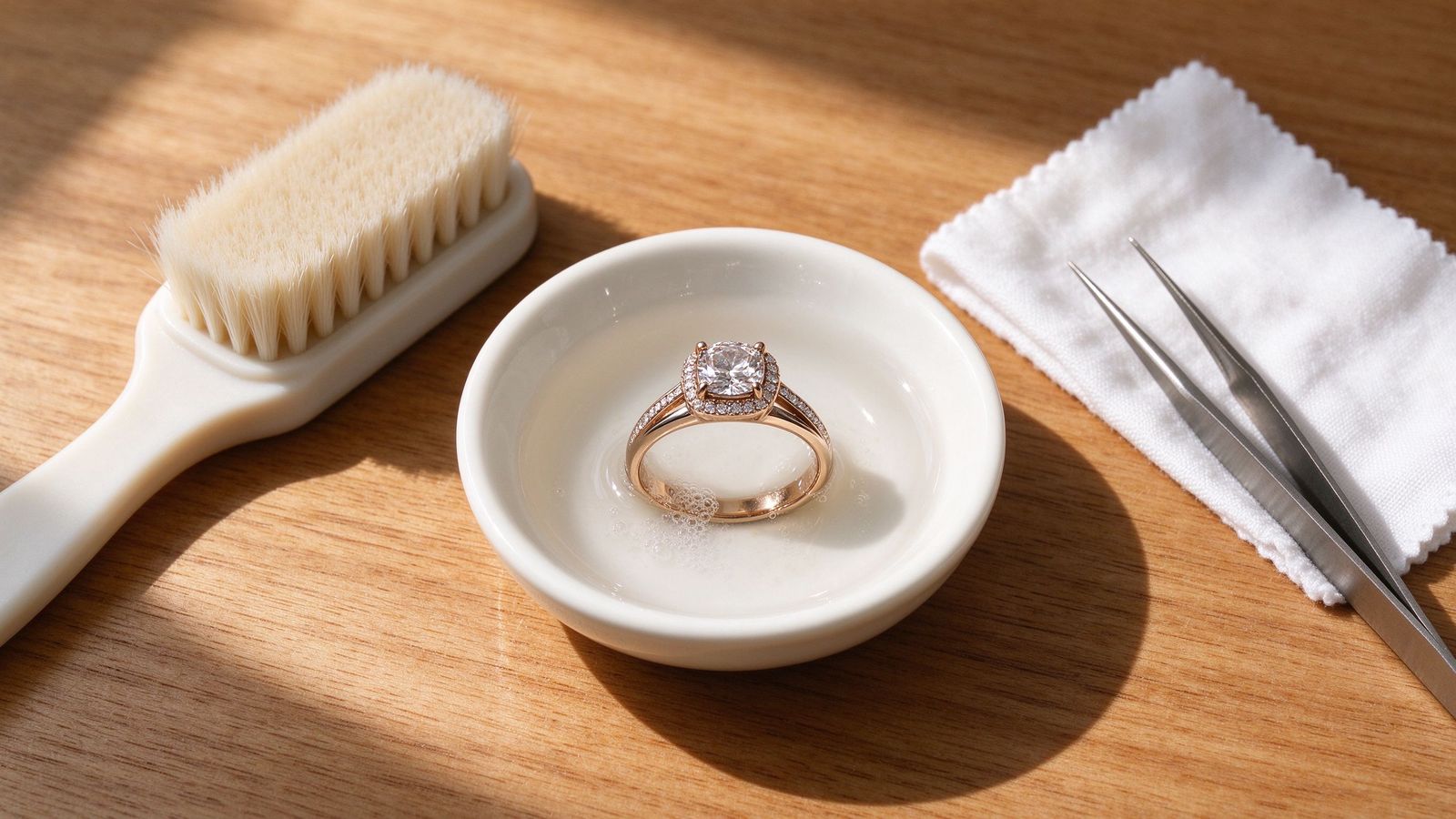
Well-designed jewelry is easy to maintain. We avoid crevices that trap dirt. We use rhodium plating on white gold for tarnish resistance. Every piece comes with care instructions and we recommend annual professional inspections.
Frequently Asked Questions
What metal is most durable?
Platinum is the most durable precious metal for jewelry. It's denser and heavier, and scratches actually displace metal rather than remove it.
Can silver jewelry be durable?
Yes, with proper design. Silver can be rhodium-plated for scratch resistance, and thicker gauges (1.5mm+) hold up well for daily wear.
Conclusion
Durability is designed in, not added on. Holycome's designers balance beauty with structural integrity for pieces that last. Contact service@holycome.com to design jewelry built for a lifetime.