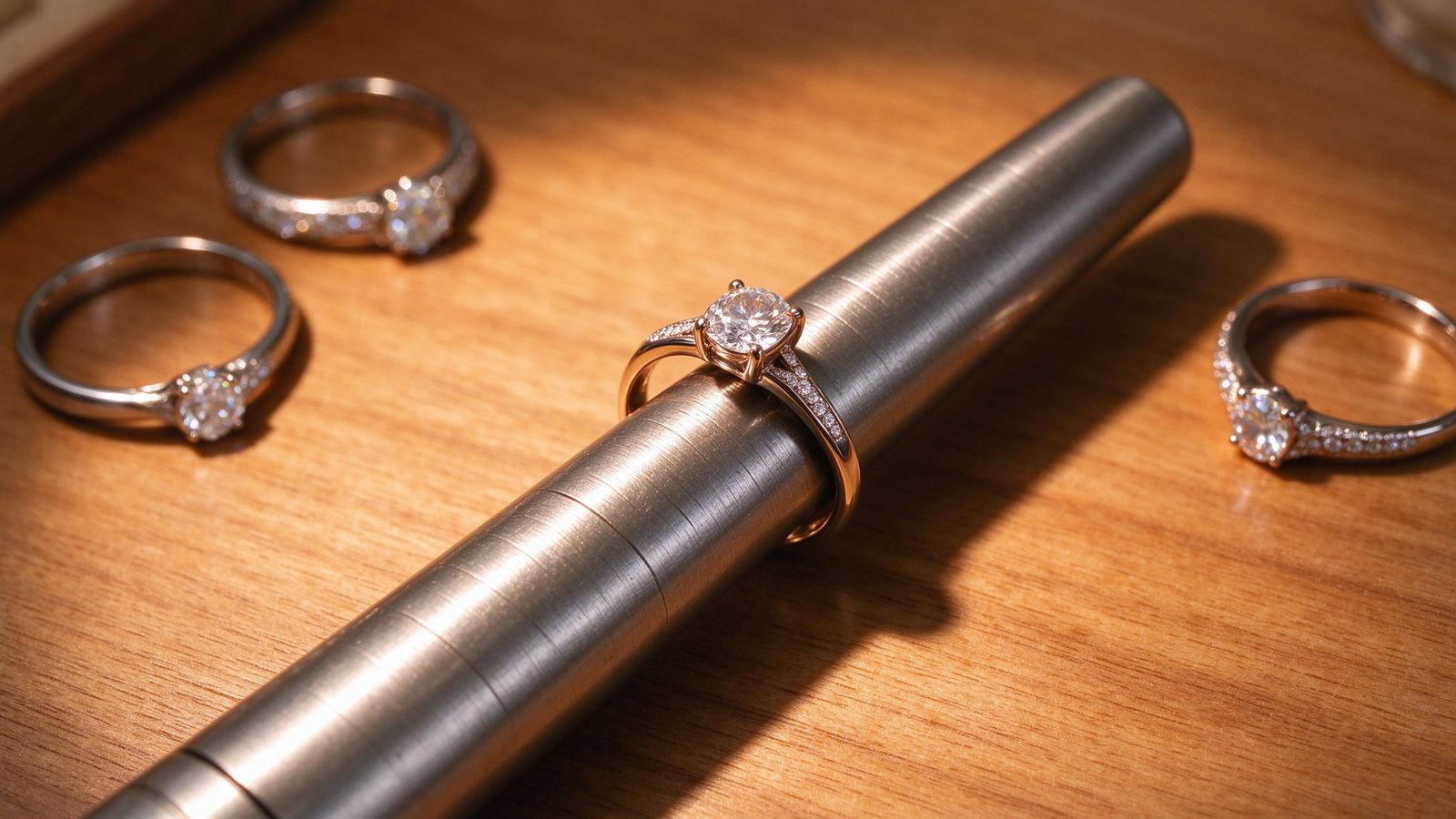
How to Buy Jewelry Wholesale: A Buyer's Complete Guide
Buying jewelry wholesale is the fastest way to access real value, but it is also a market with real risks: minimums that trap you with unsold stock, unverified stones, plating that fades, and suppliers who quote great prices for mediocre goods. A successful wholesale buyer treats sourcing as a professional process, not a bargain hunt. You need to understand pricing tiers, certifications, quality verification, and how to build an inventory that actually sells.
This guide walks a new wholesale buyer through the entire process: how pricing works, what certifications to demand, how to inspect samples, how to negotiate minimums, and how to balance your first order. Whether you run a boutique, an e-commerce store, or are stocking a private label line, these are the rules that separate profitable buyers from those left with a drawer of dead inventory.
How Wholesale Pricing Actually Works
Jewelry pricing is layered. A finished piece typically passes through the raw material supplier, the manufacturer, the wholesaler, and the retailer, each taking a margin. When you buy directly from a manufacturer-wholesaler like jewelfmfg.com, you cut out intermediaries and pay closer to the underlying cost of metal plus stone plus labor. The standard markup from wholesale to retail is two to three times, which is why a piece that costs you thirty dollars wholesale can retail at seventy-five to ninety dollars.
Wholesale pricing is usually tiered by quantity. A single piece carries a higher unit price, a small bulk order drops the price, and a large order approaches the factory cost. When comparing suppliers, always compare the landed cost: unit price plus shipping plus any duties and payment fees. A slightly cheaper unit that ships slowly or arrives with defects can be more expensive overall. Ask for a price break across quantity tiers so you can model your margin at each volume.
Certifications and Documentation You Must Demand
For anything with a colored or diamond center stone, documentation is non-negotiable. A natural diamond should ship with a GIA or IGI report matching the laser inscription on the girdle. A lab-grown diamond should come with its own report. Colored gemstones should include a clarity and treatment disclosure, because many rubies, sapphires, and emeralds are routinely heat or oil treated, and that treatment must be disclosed honestly. Undisclosed treatment is the leading cause of wholesale disputes.
For metal, demand a karat stamp and, where relevant, a hallmark. Sterling silver should be stamped 925, 18K gold marked 750, 14K marked 585. Ask the supplier to confirm whether pieces are solid gold, gold-filled, or plated, and get it in writing. Photographs of the stamps alongside the grading report protect you if a customer later questions authenticity. A supplier who resists providing documentation is a supplier to avoid, no matter how low the price.
| Item | Document to Demand |
|---|---|
| Natural diamond | GIA / IGI grading report |
| Lab diamond | IGI / GIA lab report |
| Colored gemstone | Treatment disclosure |
| Gold | Karat stamp / hallmark |
| Silver | 925 stamp |
Sampling Before You Commit
The cardinal rule of wholesale buying is: never place a large order without a sample first. Sample cost is a tiny insurance premium against a catastrophic bulk mistake. When you receive a sample, inspect it in natural light, weigh it, check the prongs and solder joints, run a cloth over it to see if plating rubs off, and wear it for a few days to test comfort and durability. A sample reveals the true build quality that product photos hide.
Pay attention to details: are the stones flush and secure, is the clasp solid, does the ring sit straight, are the posts on earrings soldered or merely glued? Photograph the sample against a ruler to document scale, because online listings routinely oversize jewelry. If the sample passes, place a small pilot order, not your full budget. Sell through the pilot, track which pieces move, and only then reorder the winners. This staged approach protects you from minimums that lock you into designs your customers do not want.
Negotiating Minimums and Terms
Minimum order quantities, or MOQs, are the biggest trap for new buyers. A supplier may offer great unit prices but require a five-hundred-piece order, which leaves you holding slow inventory. Negotiate the first order down to a pilot size, and ask whether the supplier allows mixed styles toward the minimum so you can test several designs. Many manufacturers will accept a lower first-time order to win a long-term account, especially if you communicate your sales plan.
Payment terms matter too. New buyers usually pay upfront, but as you build a relationship, ask for net terms on reorders. Clarify shipping, lead times, and what happens on defective goods: a reputable wholesaler offers replacement or credit for pieces that arrive faulty. Get the return policy and defect rate in writing. The goal is a supplier who treats a defect as their problem, not yours, because that relationship is worth more than a two-percent cheaper unit price.
Building an Inventory That Sells
Wholesale success is about inventory turns, not how much you buy. A common mistake is buying too many statement pieces that sit unsold, when the everyday categories studs, simple chains, small hoops, and solitaire pendants are what move weekly. Allocate roughly seventy percent of your budget to proven everyday basics in neutral gold and silver tones, and reserve thirty percent for trend-led pieces that refresh the display.
Match your assortment to your customer. If you serve brides, stock engagement-ready solitaires and bridal sets. If you run a fashion boutique, focus on layered chains, huggies, and stackable rings. Price the pieces so you can retail at a healthy two-to-three-times markup while staying competitive. Track which SKUs reorder fastest, and double down on those. The most profitable wholesale buyers are disciplined: they buy small, sell fast, and reorder the winners rather than chasing variety for its own sake.
Avoiding the Common Wholesale Pitfalls
Several mistakes sink new buyers. Buying on price alone leads to pieces that tarnish, turn green, or lose stones, generating returns and bad reviews. Ignoring the sample step means you discover defects only after the bulk order arrives. Ordering too much of one style locks cash into slow stock. Skipping certification means you cannot defend authenticity to a knowledgeable customer.
Another pitfall is ignoring after-sales: a supplier who vanishes once the order ships will leave you to handle warranty claims alone. Choose a supplier with clear communication, realistic lead times, and a willingness to stand behind the goods. Finally, build relationships with two or three reliable suppliers rather than depending on one, so a shortage or quality slip at one does not stall your business. Wholesale buying is a long game: the buyers who win are those who treat sourcing as a repeatable, verifiable process rather than a one-time score.
Building Long-Term Supplier Relationships
The most successful wholesale buyers treat suppliers as long-term partners, not one-time transactions. Once you find a manufacturer-wholesaler with consistent quality, reliable lead times, and honest communication, nurture that relationship. Communicate your sales plan, give feedback on what moves, and pay on time. A supplier who trusts you will prioritize your orders, offer better terms, and alert you to new designs before everyone else.
Start small, reorder winners, and grow together. Do not chase the cheapest price across a dozen vendors, because switching constantly means you never build the rapport that gets you samples, credits for defects, and priority service. A reliable supplier who stands behind defects is worth more than a two-percent cheaper unit price from a vendor who vanishes after shipping. Consistency protects your business.
Give honest feedback when a defect slips through. A good partner treats it as their problem, replacing or crediting the piece. Over time, this feedback loop improves their QC and your satisfaction. Visit or video-call the atelier if you can, so you understand their process. The more a supplier knows your standards, the better they serve you.
For long-term resilience, work with two or three reliable suppliers rather than depending on one. This buffers you if one runs short or has a quality slip. But depth matters more than breadth: know each supplier well, their strengths and limits, and match your orders to them. Wholesale buying is a relationship business, and the partners you trust become the foundation of a profitable, low-stress operation.
Pricing, Margins, and Inventory Turns
Wholesale jewelry profitability comes from understanding margins and inventory turns. The standard retail markup from wholesale is two to three times, so a piece that costs you thirty dollars wholesales at a retail of seventy to ninety. Price your pieces to leave room for marketing, returns, and overhead while staying competitive. Underpricing leaves profit on the table; overpricing kills the sale. Know your local market and price accordingly.
Inventory turns matter more than how much you buy. A piece that sits unsold ties up cash and goes out of style. Allocate most of your budget to proven everyday basics that sell weekly: studs, simple chains, small hoops, and solitaire pendants. Reserve a smaller portion for trend-led pieces that refresh the display. Track which SKUs reorder fastest, and double down on those rather than buying variety for its own sake.
Seasonality shapes buying too. Engagement and bridal pieces peak around proposal season and holidays, while fashion pieces move in trends. Plan your buying calendar ahead, so popular pieces are in stock when demand peaks. Clear slow-moving inventory with a sale rather than letting it gather dust, because cash in stock is worth more than dead stock on a shelf.
Successful wholesale buyers are disciplined: they buy small, sell fast, reorder winners, and never fall in love with inventory that does not move. Build a core of reliable everyday pieces at healthy margins, test new designs in small pilot orders, and let the data of what sells guide your next purchase. That turns wholesale buying from a gamble into a repeatable, profitable system.
Digital Tools and Ordering Online
Modern wholesale jewelry buying happens largely online, and the right tools make it efficient. Use a wholesaler's digital catalog to browse styles by category, metal, and price tier. Request high-resolution photos and videos of any piece before ordering, because a flat product photo hides scale and finish. A video rotating the piece reveals true proportions, shine, and any setting issues. Reputable suppliers provide these gladly.
Order samples before bulk purchases, as a matter of discipline. A sample reveals build quality, weight, and finish that photos cannot. Test the clasp, weigh the piece, check the stamp, and wear the sample for a few days. If it passes, place a small pilot order. Sell through the pilot, track winners, then reorder. This staged approach protects you from minimums that lock you into unsold stock.
Track your orders and reorder history digitally, so you know which suppliers deliver on time and which slip. Keep all certifications and invoices organized, because they protect your resale and your customers. Online wholesale, done with samples, verification, and clear communication, is safer and faster than traditional markets. Treat every order as a data point, and refine your suppliers over time.
Pricing Your Retail Offer
Once you buy wholesale, pricing for retail is the next skill. The standard two-to-three-times markup leaves room for marketing, returns, and overhead while staying competitive. Price based on your market and perceived value, not just on covering cost. A well-presented, well-made piece can command a higher price than a commodity one, especially when you provide service and trust. Know what comparable pieces sell for locally, and price to reflect the experience you offer.
Track which price points sell. Customers often cluster around sweet spots, so offer pieces at a few clear price tiers rather than one vague range. Bundle everyday basics with a few statement pieces. Describe your pieces honestly: solid versus plated, natural versus lab, treated or not. Honest pricing and description reduce returns and build trust, which drives repeat customers far more than a one-time margin.
Reorder winners and clear slow stock. Inventory ties up cash, so moving products matters more than holding a wide range. Build a core of reliable, fast-selling pieces and refresh with small test orders. Wholesale buying is a repeatable system: buy well, price fairly, sell through, and reorder. Done consistently, it turns jewelry sourcing into a profitable, sustainable business.
Working With a Manufacturer-Atelier
Buying wholesale from a manufacturer-atelier like ours is different from buying from a middleman. We design, cast, set, and polish under one roof, so when you order a piece, you are speaking directly to the people who made it. That means shorter lead times, honest answers about materials, and the ability to adapt designs to your brand. We welcome sample orders, because we want you to feel the weight and finish before you commit. This direct relationship is how small brands get quality that used to be reserved for large retailers.
For a new buyer, we recommend a small pilot order of everyday bestsellers, not a huge first buy. Sell through, tell us what your customers love, and we refine the next run together. We stand behind defects, replacing or crediting any piece that arrives faulty. Over time, this becomes a partnership: you know our quality, we know your market, and reorders match perfectly. That is the advantage of sourcing from the workshop itself.
Frequently Asked Questions
What does wholesale jewelry actually cost?
Wholesale is priced near metal plus stone plus labor, with retail typically marked up two to three times. Tiered quantity pricing means larger orders lower the unit cost, but compare landed cost including shipping and duties.
Do I need a business license to buy wholesale?
Many wholesalers require a resale certificate or business registration, but manufacturer-direct suppliers like jewelfmfg.com often serve both trade buyers and informed consumers. Check each supplier's account requirements.
How much should I order for a first buy?
Start with a small pilot order of your best-selling everyday styles, never the full minimum. Sell through, track winners, and reorder only what moves.
How do I verify jewelry quality before bulk buying?
Order and inspect a physical sample: weigh it, test the clasp and prongs, wear it, and check for plating rub-off. Never place a large order sight unseen.
What certification should I expect?
Diamonds need GIA or IGI reports, colored stones need treatment disclosures, and metal should carry a 925 or karat stamp. Get all documentation in writing.
Wholesale jewelry buying rewards discipline. Demand certification, sample before you commit, negotiate minimums down to a pilot order, and stock the everyday basics that sell through. Treat your supplier as a long-term partner who stands behind defects, and compare landed cost rather than sticker price. When you source directly from a manufacturer-wholesaler with transparent documentation, every dollar buys more real metal and stone, and the pieces you stock become the repeatable, trustworthy foundation of a profitable jewelry business.