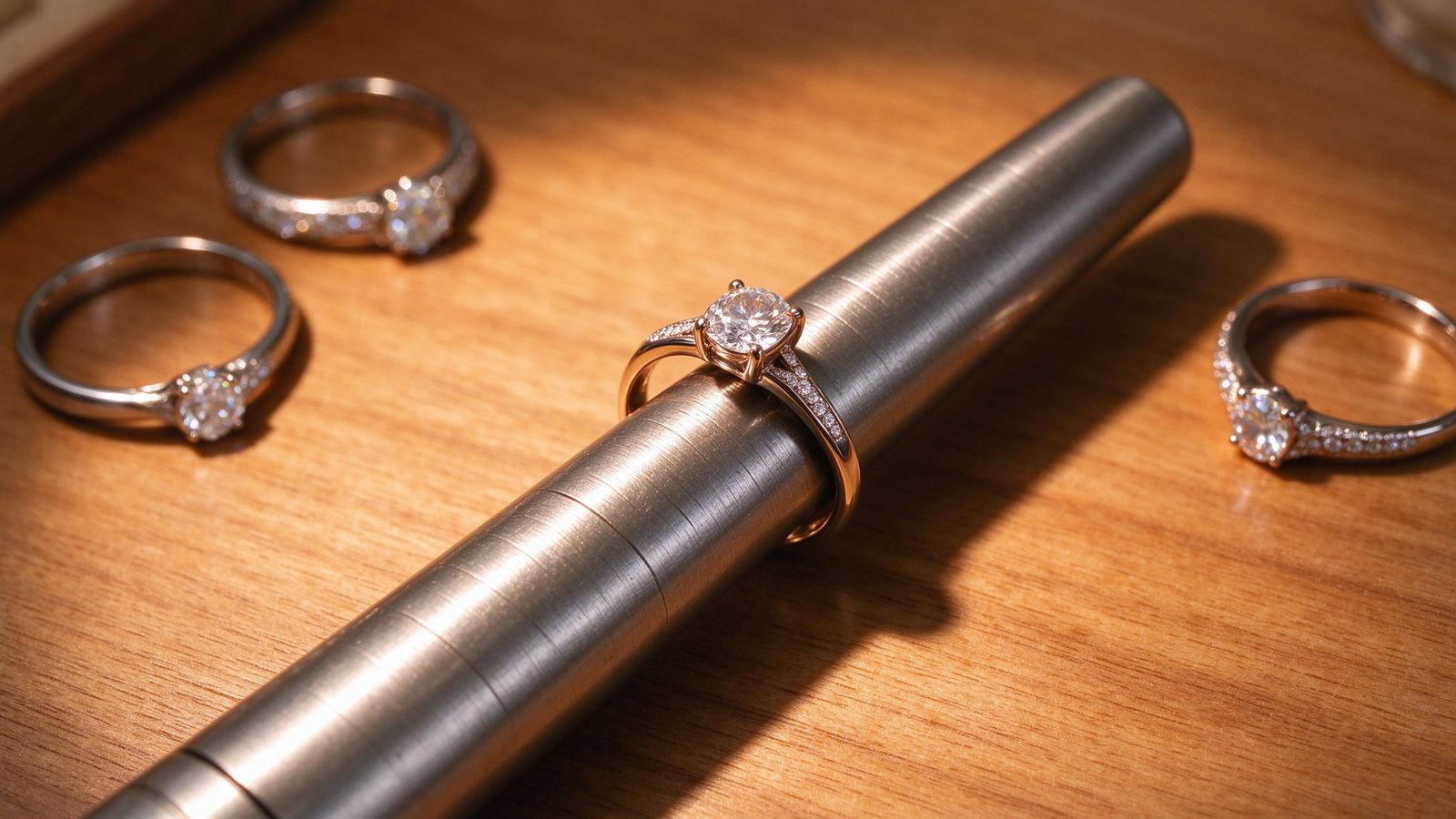
Gemstone Cutting and Faceting: How Rough Becomes Brilliant
A rough gemstone looks nothing like the sparkling jewel set in your ring. It is an opaque, lumpy chunk of crystal, its beauty locked inside. The transformation from rough to faceted gem is the work of a lapidary, a specialist who plans, saws, grinds, and polishes each stone. The cutter's decisions determine how much the finished gem weighs, how it is shaped, and how brilliantly it sparkles. Great cutting can rescue an ordinary rough stone; poor cutting can ruin a spectacular one.
This guide explains the gemstone faceting process, from studying the rough to the final polish. It is the story of how a crystal becomes a gem, and it explains why cut quality matters as much as the stone itself.
Studying and Planning the Rough
Every faceted gem begins with the rough crystal. The cutter first studies the rough under magnification, looking for inclusions, fractures, color zoning, and imperfections. The goal is to extract the maximum weight of beautiful, clean gem from the stone while removing flaws. This planning is an art: a cutter may orient the stone to minimize an inclusion, or choose a shape that follows the natural crystal. A poor planning decision wastes valuable rough or leaves inclusions in the finished gem.
The cutter decides the shape and cut based on the rough and the market. Rough may yield a round brilliant, an oval, a cushion, or a step cut. Color matters too: a deeply colored gem may be cut deeper to intensify hue, while a light gem may be cut to maximize brightness. The cutter balances weight retention, color, and brilliance in a single plan. This is the highest-skill stage, because the decisions are irreversible.
For valuable stones, this planning can take hours or days, using scopes and even X-ray imaging to see internal features. The cutter marks the rough and draws the intended shape. Once the saw cuts, there is no undoing it. A well-planned cut is the difference between a gem that sells well and rough that becomes scraps.
Sawing, Shaping, and Preforming
Once planned, the rough is sawed into manageable pieces using a diamond-tipped blade, because only diamond can cut most gem minerals. The cutter divides the crystal to separate clean sections from flawed ones, saving every piece of good material. This stage removes the largest inclusions and divides the rough into the individual stones to be cut.
Each piece is then shaped into a preform, a rough version of the final shape. The cutter grinds the stone on a spinning lap coated with diamond grit, establishing the basic outline and proportions. For a round stone, this means rounding and centering the rough. The preform is checked against the plan, adjusting shape and angle to avoid hidden inclusions. This rough shaping removes weight and establishes the geometry.
Preforming is where the cutter balances carat weight against beauty. Keeping more weight makes a bigger, more valuable stone, but only if the proportions remain optically sound. A cutter who over-weights a stone to gain carats can leave it optically dull. Skilled cutting protects both beauty and value, knowing that a well-cut smaller stone outperforms a poorly cut large one.
Faceting and Cutting the Crown and Pavilion
Faceting is the precise cutting of flat, angled faces, or facets, onto the stone. The cutter mounts the preform on a dop stick and uses a faceting machine to grind each facet at exact angles. The crown, the top of the stone, and the pavilion, the bottom, are cut to precise proportions that control how light enters and exits. For a diamond, these angles follow the brilliant-cut formula that maximizes sparkle.
Each facet is cut in sequence: the table, the star facets, the kite facets, and the pavilion mains. The cutter measures angles and positions carefully, because a slight error reduces brilliance. Symmetry matters: facets must align evenly around the stone. This is painstaking, repetitive work that demands concentration and years of practice. Modern faceting machines aid precision, but the cutter's eye still guides the process.
The angles chosen determine the stone's optical behavior. Too shallow and light leaks out the bottom; too deep and light exits the side. The ideal angles return light to the viewer's eye as brilliance and fire. This is why cut grade matters so much: a well-cut stone of modest color out-sparkles a poorly cut stone of perfect color. The faceting stage is where that optical performance is built.
Polishing the Facets
After grinding, the facets are dull and scratched. Polishing uses a fine polishing lap to bring each facet to a smooth, glassy finish. The cutter polishes each facet at the same precise angle, removing the fine grinding scratches and creating the reflective surface that makes a gem sparkle. A well-polished facet is so smooth it reflects light like a mirror; a poorly polished one looks slightly frosty.
Polishing is delicate, because each mineral has a different hardness and polishing response. Some gems polish easily; others, like sapphire, demand specialized polishing compounds and careful technique. The cutter avoids overheating the stone, which can cause cracking or surface damage. After polishing, the girdle, the edge of the stone, may be polished or left faceted depending on the style.
The finished stone is then cleaned and inspected. The cutter checks symmetry, polish, and that no inclusions were opened during cutting. A great polish is invisible: you see only light, not the work behind it. The stone is now ready to be graded and set, transformed from a lumpy rough into a luminous gem.
| Stage | Action |
|---|---|
| Planning | Study inclusions, choose shape |
| Sawing | Divide rough cleanly |
| Preforming | Shape basic outline |
| Faceting | Cut angled faces precisely |
| Polishing | Bring facets to mirror shine |
Cut Quality and Its Effect on Value
Cut quality is the factor that most directly controls how a gem looks, yet buyers often focus on carat weight. A well-cut stone returns light, looks lively, and appears brighter. A poorly cut stone, even if larger and cleaner, looks dark or glassy. This is why gem laboratories grade cut: for diamonds, an Excellent cut is the top grade, and it commands a premium for good reason.
The cutter balances weight retention against cut quality. Cutting a stone to ideal angles may lose carat weight, reducing the price per stone, but the resulting brilliance makes it more desirable. A cutter who leaves the stone too thick to keep weight sacrifices sparkle. Knowing this, smart buyers prioritize cut grade, saving on color and clarity where the eye cannot see the difference, and spending on cut where it shows every day.
For colored gems, cut quality is less standardized but equally important. An emerald cut with well-aligned step facets shows the stone's color evenly; a lopsided cut looks cheap. Wholesale buyers should examine stones in person or by video, judging how they move and reflect light, because the cut is what brings the gem to life.
The Lapidary's Craft Today
Modern faceting uses precision machines that measure angles accurately, but the lapidary's judgment remains central. Digital scanning helps plan cuts, and automated faceting aids repetition, yet choosing orientation, avoiding inclusions, and achieving a mirror polish still demands years of hands-on experience. The craft has not been automated; it has been augmented.
Sustainability and ethics also intersect with cutting. A skilled cutter maximizes yield from rough, reducing waste, and many cutters specialize in recutting existing stones to improve their appearance. The same gem can look dramatically better after a skilled recut that improves proportions. This is why vintage or inherited stones can be revived.
The next time you look at a faceted gem, imagine the rough chunk it began as. A lapidary studied, sawed, shaped, faceted, and polished it into the light-playing object on your finger. The cut is the invisible artistry that makes gemstones sing, and it is the final transformation in the long journey from mineral earth to jewelry.
Recutting and Reviving Old Stones
Skilled cutters also recut existing stones to improve them. An old or inherited gem may be chipped, worn, or poorly proportioned. A recut can remove damage, improve symmetry, and restore brilliance. The stone loses a little weight, but the gain in beauty is often dramatic. This is a wonderful way to revive a family stone that has lost its sparkle, and it is far more affordable than replacing it.
Recutting should be done by an experienced lapidary who understands the stone's value. A good recut preserves as much weight as possible while fixing the problems. The result is a stone that looks years younger. When an inherited gem looks dull, a recut may be the answer, rather than assuming the stone has lost its appeal.
The Environmental Story of Cutting
Modern lapidaries maximize yield from rough, which means less stone is wasted. Planning software and scanning help cutters extract the maximum value from each crystal. This efficiency reduces both cost and waste, making colored gems more accessible. A skilled cutter who preserves weight and beauty is also an environmental steward, because every gram of rough is used wisely.
When you choose a well-cut stone, you are also choosing a piece that was efficiently produced. The invisible planning that maximized yield means less rough was mined for the gem you hold. This quiet efficiency is part of responsible jewelry buying, and it rewards choosing a cutter who values both beauty and yield.
Why Cut Determines the Price
Cut quality is so important that it directly drives a gem's price. A well-cut stone returns light and looks brilliant, commanding a premium, while a poorly cut stone, even if larger, looks dark and sells for less. This is why buyers are taught to prioritize cut over carat. The cutter's skill in planning, faceting, and polishing determines whether a rough crystal becomes a gem that sings. When you buy a well-cut stone, you are paying for the lapidary's years of judgment. Inspect stones in person or by video, choosing the one that looks brightest and most alive, because that liveliness is the result of expert cutting. A great cut turns an ordinary crystal into jewelry you will love for life, which is the invisible artistry behind every faceted gem.
How We Select and Cut Each Stone
A beautiful setting is only as good as the stone inside it, so we care deeply about cut quality. We choose stones cut to return light, not just to maximize weight, because a well-cut gem out-sparkles a larger dull one. Our suppliers' cutters plan each rough to avoid inclusions and optimize color, then facet and polish under magnification. When a stone arrives, we inspect it for symmetry and life before it is even set. A dark, lifeless stone is rejected, however cheap.
We prioritize cut the same way we prioritize finish: because you feel it. A well-cut gem flashes as your hand moves, catching light naturally. A poorly cut one looks flat even in good lighting. When you wear one of our pieces, the stone sings because someone took the time to cut it right. That invisible artistry, the lapidary's judgment, is part of why our jewelry looks alive. We treat the stone as the hero, and we cut it accordingly.
Planning the Rough Before the First Cut
A great cut begins before the lapidary touches the rough. The cutter studies the crystal to locate inclusions, choose the best color, and plan an orientation that yields the largest clean gem. Cut too greedily and the stone is dark; cut to favor color and life, and it sings. This planning is the lapidary's highest skill, and it determines whether a rough crystal becomes a brilliant gem or a disappointing stone. Modern tools help scan the rough, but the judgment stays human.
Once planned, the stone is faceted with precise angles, then polished facet by facet. Each facet must meet perfectly, because misaligned facets break the light return. After cutting, the stone is examined for symmetry and life. We choose stones that were cut with this care, because a well-cut gem out-sparkles a larger dull one. The cutter's invisible planning and precision are what make a gem come alive on the hand, and we never compromise on it.
Why We Reject Poorly Cut Stones
Our buying rule is simple: we reject a stone that looks dark or lifeless, however cheap it is. A poorly cut gem wastes the setting and the metal, because no amount of beautiful mounting makes a flat stone sparkle. We choose stones cut to return light, and we inspect them in motion under daylight before they are set. This costs more per carat, but it is the difference between a piece that sings and one that looks dull on the hand. Customers notice, and they come back because our stones actually sparkle.
When you wear one of our pieces, the stone flashes as your hand moves because it was cut with care. That liveliness is invisible in a product photo but obvious once worn. We never compromise on cut, because it is the heart of a gemstone's beauty.
The Cutter's Reward
The reward of a great cut is a gem that comes alive as it moves. Light flashes across its facets with the smallest motion, which is the magic customers feel but cannot always name. We choose stones cut to achieve this liveliness, because a well-cut gem is the heart of any beautiful piece.
Frequently Asked Questions
Why is cut quality so important?
Because cut angles control how light enters and exits the stone. A well-cut gem returns light as brilliance; a poorly cut one leaks light and looks dark, regardless of size.
How is a rough gem turned into a finished stone?
The cutter studies the rough, saws it, shapes a preform, facets angled surfaces precisely, then polishes each facet to a mirror finish.
Does cutting a gem lose weight?
Yes. Rough is shaped and inclusions removed, so the finished stone weighs less than the rough. Skilled cutters balance weight retention against optical beauty.
Can an old gem be recut?
Yes. A skilled lapidary can recut a worn or poorly proportioned stone to improve its symmetry and brilliance, often dramatically reviving its appearance.
Do machines replace gem cutters?
Machines aid precision, but planning orientation, avoiding inclusions, and achieving a great polish still require the lapidary's years of experience.
Behind every sparkling gem is a lapidary who studied rough, planned a cut, sawed, shaped, faceted, and polished it into light. Cut quality controls brilliance, which is why prioritizing cut over carat is the smart buyer's rule. The next time you admire a stone, remember the irreversible decisions and painstaking faceting that turned an ordinary crystal into the jewel before you. Cutting is the art that makes gemstones glow.