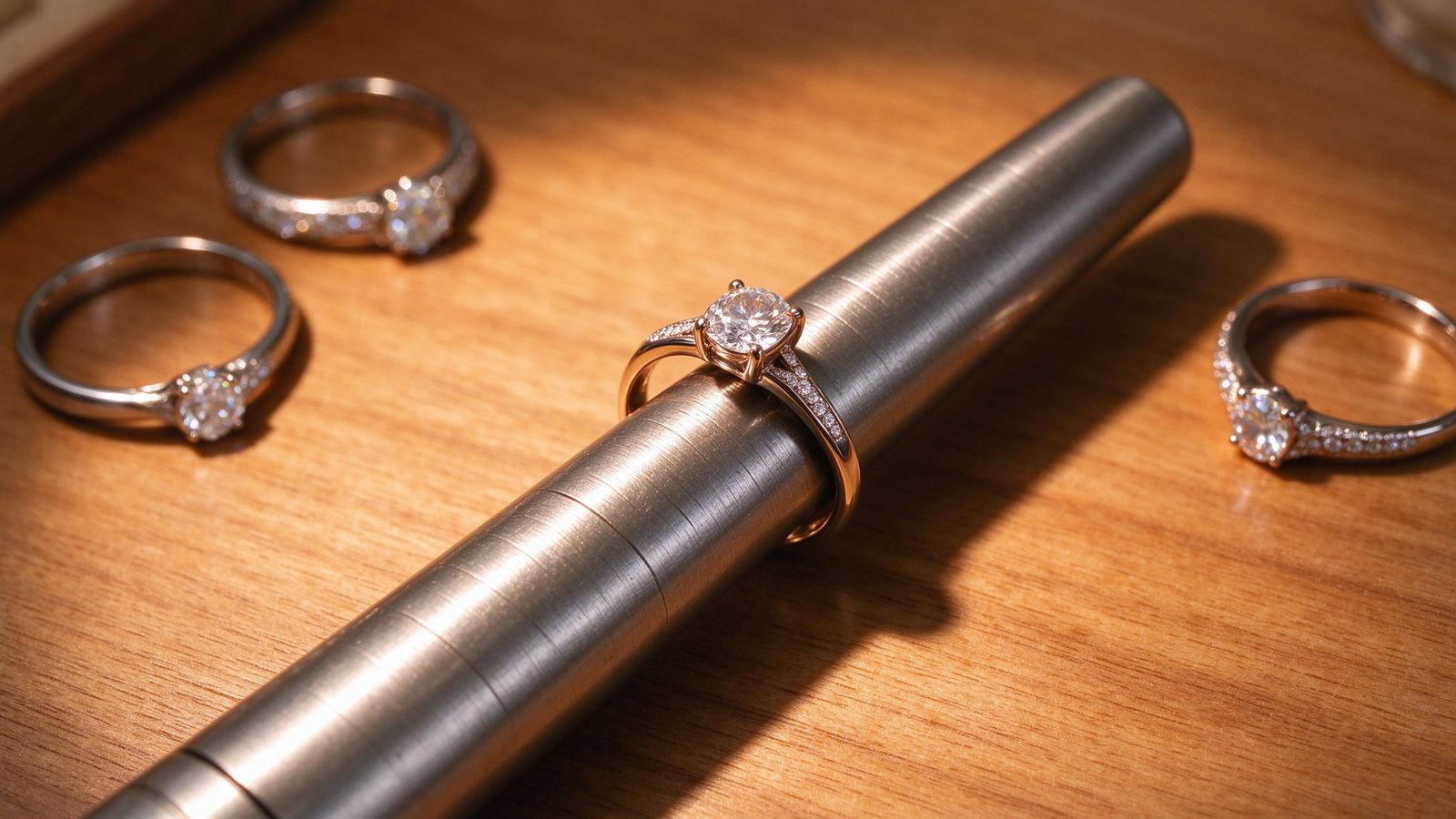
Natural Diamonds: The 4Cs Explained for Smart Buyers
The 4Cs, cut, color, clarity, and carat, are the universal language of diamond buying, yet most buyers weight them in exactly the wrong order. Carat, the size, gets all the attention, while cut, the factor that actually controls sparkle, is undervalued. Understanding the 4Cs is the single most important skill for buying a natural diamond wisely, because it lets you spend where it shows and save where the eye cannot tell the difference.
This guide explains each of the 4Cs in plain language, tells you where to prioritize and where to compromise, and shows how to read a grading report. Master these, and you will buy a diamond that looks bigger and brighter than a more expensive one chosen by size alone.
Cut: The Most Important C
Cut is the most important of the 4Cs and the one buyers most often neglect. Cut refers to the angles and proportions of the facets, which determine how light enters and exits the diamond. An excellently cut diamond returns light back through the top as brilliant white sparkle and colored fire. A poorly cut diamond, even if large and flawless, leaks light and looks dark and glassy. Cut is what makes a diamond sparkle at all.
Diamond laboratories grade cut from Ideal or Excellent down to Poor. Always choose Excellent or Ideal for a round brilliant, because this is where your money works hardest. The cut also affects apparent size: a well-proportioned diamond spreads its weight across the top, looking larger than a deep-cut stone of the same carat. Never compromise on cut to buy a bigger stone, because a small brilliant diamond out-sparkles a large dull one.
For fancy shapes, cut grading is less standardized, so compare stones by eye or video. Look for balanced proportions, no dark bowtie, and lively reflection. Cut is invisible on the price tag but obvious on the hand, which is why smart buyers make it their first priority.
Color: Near-Colorless Is Enough
Diamond color is graded from D, truly colorless, to Z, light yellow or brown. The difference between D and a near-colorless G or H is invisible to the naked eye once the stone is set, yet the price difference can be twenty percent or more. This is the easiest place to save money, because the human eye cannot distinguish a D from a G in a mounted ring under normal lighting.
Choose a G to I color for the best balance. These near-colorless stones look white in a setting but cost substantially less than D to F grades. The metal affects perception: a yellow gold setting makes a slightly warmer diamond look even whiter, while a white gold or platinum setting shows color more, so you might step up one grade with a white metal. Avoid stones below J in white gold, where a yellow tint becomes noticeable.
Fancy colored diamonds, like pink or yellow, are a separate category where color is the attraction and prized on its own. But for white diamonds, the lesson is simple: pay for cut, and choose a near-colorless grade that saves you money without visible difference.
Clarity: Eye-Clean Is the Goal
Clarity measures internal inclusions, the natural birthmarks within a diamond. Grades run from Flawless down to Included. Flawless diamonds are rare and expensive, and their internal perfection is impossible to see without magnification. The smart buyer targets eye-clean clarity: a stone with inclusions that are invisible to the naked eye once mounted.
VS1, VS2, and even SI1 grades often produce eye-clean diamonds at a much lower price than VVS or Flawless. The inclusions exist, but they are tiny and positioned where they are hidden by prongs or invisible from the top. A well-placed inclusion can even be used to identify a diamond, like a fingerprint. What matters is whether you can see it without a loupe, not what the microscope reveals.
Round brilliants hide inclusions well because their busy facet pattern distracts the eye, while step cuts like emeralds show inclusions more readily, so step-cut buyers may need a slightly higher clarity. Always ask for a clarity photo or video to confirm a stone is eye-clean, and buy the lowest clarity grade that still looks clean to your eye.
Carat: The Most Overrated C
Carat is weight, not size, and it is the C buyers over-index on. One carat is 0.2 grams, and carat weight is distributed across the diamond. Moving from 1.0 to 1.2 carats can raise the price twenty percent while changing the visible diameter by only a fraction of a millimeter. That is diminishing visual return for the money.
Because larger rough is rarer, price climbs steeply at milestones like 1.0, 1.5, and 2.0 carats. Buying just under a milestone, such as 0.9 carats instead of 1.0, can save significantly with almost no visible size difference. An oval or marquise also looks larger per carat than a round because of its elongated shape, so choose shape to maximize visible size without paying the carat premium.
The right approach is to set a total budget, prioritize cut, choose near-colorless and eye-clean grades, and let the carat fall where it fits. A beautifully cut 1.0 carat diamond looks better than a poorly cut 1.5 carat, every time. Carat is the lever most people pull first, but it should be the last decision you make.
| C | Recommended | Save or Splurge? |
|---|---|---|
| Cut | Excellent / Ideal | Never compromise |
| Color | G to I | Save here |
| Clarity | VS2 - SI1 eye-clean | Save here |
| Carat | Fit budget | Last priority |
Reading a Grading Report
A natural diamond should always come with a grading report from an independent laboratory, ideally GIA. The report lists the stone's measurements, cut grade, color, clarity, and any treatments, and it matches a laser inscription on the girdle. The report is your proof of what you are buying, and it protects both value and resale. Verify the report number on the lab's website and confirm the measurements match the physical stone.
Learn to read the key fields: the cut grade, the color and clarity grades, the measurements in millimeters, and the proportions. The table and depth percentages tell you whether the stone is well proportioned. A report also notes any fluorescence, which is usually harmless. Never buy a significant diamond without a report, and never accept a report that does not match the stone.
For wholesale buyers, the report is also a selling tool. A customer who receives a GIA-graded diamond with matching inscription can trust the purchase, and the report lets them insure and resell confidently. Insist on documentation, because it is the difference between a diamond and a gamble.
Putting It All Together
A practical diamond budget framework looks like this: set a total cash budget, prioritize an Excellent cut, choose a G to I near-colorless stone, select an eye-clean VS2 to SI1 clarity, and let the carat fill what remains. This formula consistently produces a ring that looks brilliant and white, because the money went where the eye sees it. Add a halo or choose an elongated shape for extra visible size at modest cost.
Compare stones side by side by video, because the same grades can vary in beauty. Trust your eyes more than the grades: two diamonds both graded VS2, G, Excellent can look different in person. Buy the one that looks brightest and whitest to you, not just the one with the best numbers. The 4Cs are a framework, not a substitute for seeing the stone.
When you buy through a wholesale source with verifiable reports, the same diamond costs less than at retail, stretching your budget further. Master the 4Cs, demand documentation, and prioritize cut, and you will own a natural diamond that looks far more expensive than it was.
Fluorescence and Other Grading Details
Beyond the 4Cs, grading reports note fluorescence, which is a diamond's reaction to ultraviolet light. Most fluorescence is faint and harmless, and some buyers even prefer it because it can soften a strongly colored stone. Very strong blue fluorescence can, in rare cases, make a stone look oily, but this is uncommon. Fluorescence is a minor detail, not a dealbreaker, and it can sometimes lower the price of an otherwise excellent stone.
The report also lists the diamond's measurements and proportions. Learning to read the table and depth percentages helps you judge whether a stone is well proportioned. A trusted jeweler can explain these fields. The point is that the report contains far more than four grades, and understanding it helps you buy confidently. Never buy a significant diamond without reading and verifying the full report.
Buying a Diamond on a Budget
A tight budget rewards smart 4Cs. Prioritize an excellent cut, drop to a G to I color, choose an eye-clean SI1 clarity, and buy just under a carat milestone. These choices let you afford a well-cut stone that looks brilliant, rather than a larger dull one. Add a halo or choose an elongated shape for extra visible size. This framework consistently produces a ring that looks more expensive than it was.
Buying direct from a wholesale atelier stretches the budget further, because you avoid retail markup. Choose a loose stone with a report and a well-made setting, rather than a branded package. With disciplined 4C choices and direct sourcing, a modest budget buys a diamond that sparkles beautifully. The key is spending where the eye sees it and saving where it does not.
Putting the 4Cs Into Practice
Armed with the 4Cs, buying a natural diamond becomes a clear process. Set a cash budget, prioritize an Excellent cut, choose a near-colorless G to I stone, select an eye-clean VS2 to SI1 clarity, and let the carat fill what remains. Compare candidates by video, trust your eyes, and verify the report. Add a halo or choose an elongated shape for extra visible size. Buy direct from a wholesale atelier with verifiable reports to stretch the budget. This formula consistently produces a diamond that looks brilliant and white, because your money went where the eye sees it. The 4Cs are not abstract grades; they are a practical toolkit for buying a stone that looks far more expensive than it was.
The Science Behind the Cut Grade
Cut matters more than any other C because it is geometry. A diamond's facets act like mirrors: light enters the top, bounces off the angled pavilion, and exits back through the table as brilliance. If the pavilion is cut too shallow, light leaks out the bottom; too deep, and it escapes the sides. An ideal cut angles the facets so almost all the light returns to your eye. That is why an excellently cut smaller diamond out-sparkles a larger, poorly cut one. The cut grade is not subjective; it is a measurement of optical return.
Color and clarity, by contrast, are about what the eye cannot see. A near-colorless G to I diamond looks white in a setting because our eyes are not sensitive enough to detect the faint tint once mounted. Eye-clean SI1 inclusions are microscopic, hidden by the setting. This is why smart buyers spend on cut and save on color and clarity. The 4Cs are really a way of allocating budget to where light and eye meet. Buy the cut well, and the stone on your hand will reward you with real, measurable brilliance for life.
Reading a Grading Report
A natural diamond should always come with an independent grading report that lists its 4Cs, measurements, and any fluorescence. Learn to read the report: the carat weight is precise, the cut grade drives the sparkle, and the color and clarity tell you where the stone sits on the scale. Verify the report number online and check that the girdle laser inscription matches. A reputable seller provides the report openly and encourages you to confirm it.
Use the report to compare candidates apples to apples. Two stones that look similar in a photo can differ dramatically in cut grade, which is the real driver of beauty. Prioritize an Excellent cut, choose a near-colorless G to I color, select an eye-clean VS2 to SI1 clarity, and let the carat fill your remaining budget. Buy direct from a wholesale atelier with verifiable reports to stretch the budget. The report is your protection and your buying guide, so never purchase a significant diamond without one in hand.
Where to Save and Where to Spend
The 4Cs become powerful once you know where the eye looks. Spend on cut, because it alone controls brilliance. Save on color by dropping to G to I, which looks white in a setting. Save on clarity by choosing an eye-clean SI1, since microscopic inclusions are invisible once mounted. Let the carat weight fill whatever budget remains, and consider an elongated shape or halo for extra visible size. This formula consistently produces a ring that looks far larger and brighter than its price suggests.
Buy direct from a wholesale atelier with verifiable reports to avoid retail markup. Insure the finished piece, and keep the report. Done right, a modest budget buys a diamond that sparkles beautifully. The 4Cs are not abstract grades; they are a practical way to spend where it shows and save where it does not.
Frequently Asked Questions
Which of the 4Cs matters most?
Cut. It controls all brilliance and sparkle. Never compromise on cut; save on color (choose G to I) and clarity (choose eye-clean VS2 to SI1), where differences are invisible once set.
What color diamond should I buy?
A near-colorless G to I grade looks white in a setting but costs twenty percent less than D to F. In white gold or platinum, step up one grade if the stone is a step cut.
What clarity is eye-clean?
VS2 and SI1 stones are often eye-clean, meaning inclusions are invisible without magnification. Buy the lowest clarity that still looks clean to your naked eye.
Does a bigger carat mean a bigger-looking ring?
Not necessarily. Carat is weight, and a well-cut smaller stone can look larger than a deep-cut bigger one. Elongated shapes also look larger per carat.
Do I need a grading report?
Yes. A GIA or equivalent report verifies the 4Cs and matches the girdle inscription. Always verify the report number and measurements before buying.
The 4Cs are the key to buying a natural diamond wisely: prioritize cut, save on near-colorless color and eye-clean clarity, and let carat fit the budget. Read the report, verify it independently, and compare stones by eye. When you spend where it shows and save where it does not, the diamond on your hand out-sparkles more expensive ones chosen by size alone. Buy with a report, prioritize cut, and your natural diamond will reward you with brilliance for life.