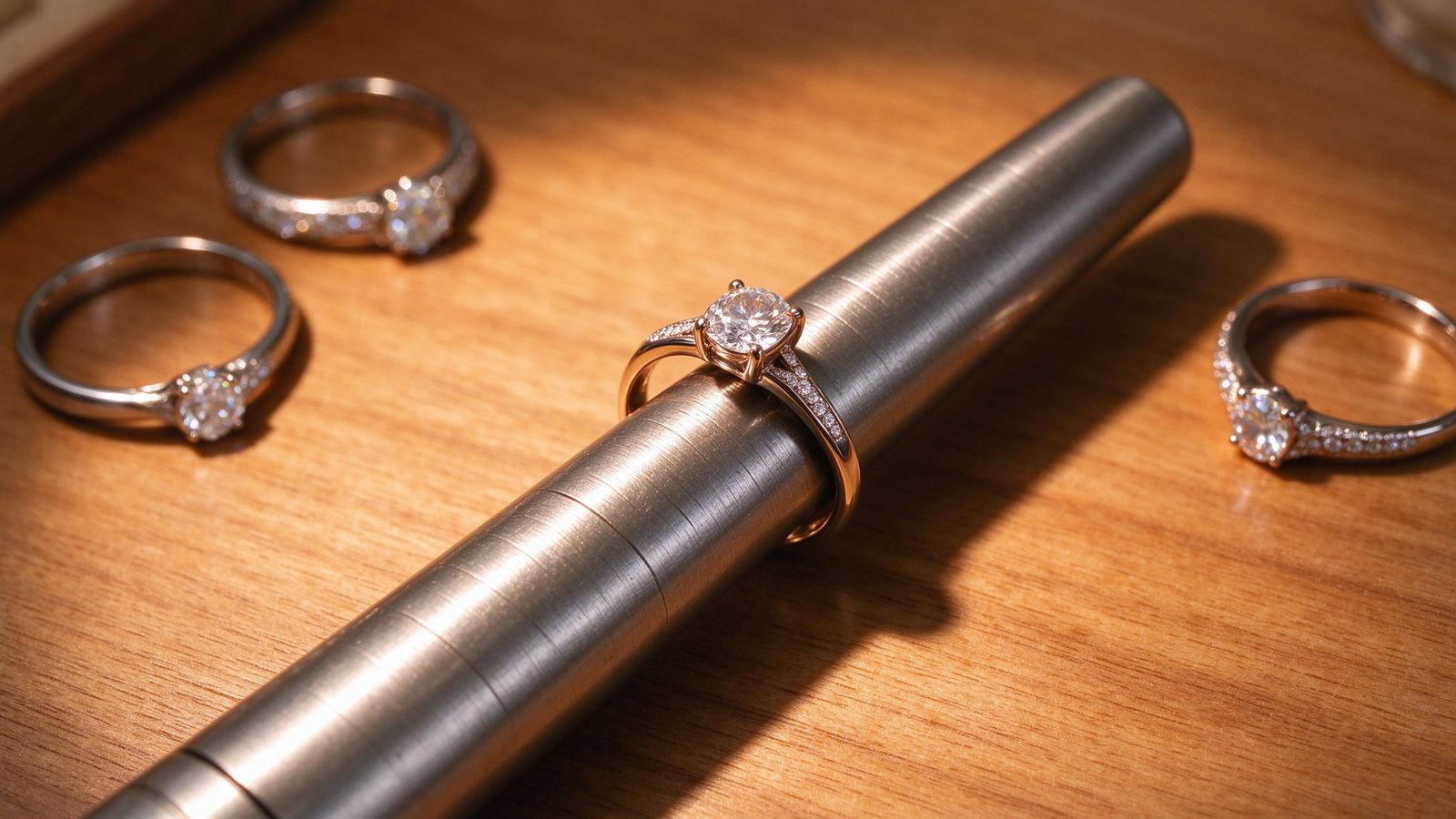
925 Sterling Silver: Properties, Durability, and Uses
Sterling silver is the most accessible precious metal in jewelry, loved for its cool, bright luster and affordable price. But not all silver jewelry is equal, and the 925 stamp is the mark that separates real sterling from lesser alloys. Understanding what 925 sterling silver actually is, how it wears, and how to care for it helps you buy jewelry that stays beautiful rather than tarnishing or turning skin green.
This guide explains sterling silver's composition, why it tarnishes, how it compares to fine silver and silver plating, and the best uses for each. Whether you are buying everyday jewelry or stocking a wholesale line, this is what you need to know about 925 silver.
What 925 Sterling Silver Actually Is
Pure silver, called fine silver, is 99.9 percent silver, but it is too soft for durable jewelry. Sterling silver is an alloy of 92.5 percent silver and 7.5 percent other metals, usually copper, which hardens it while preserving silver's bright color. The 925 stamp marks this standard, so the stamp is your guarantee of genuine sterling. A piece marked 925 contains real silver and is jewelry-grade, not base metal.
The copper alloy adds strength and durability, making sterling silver firm enough for rings, chains, and bangles, while fine silver is too bendable for daily wear. Sterling holds detail beautifully, takes a high polish, and is affordable compared with gold or platinum. This balance of beauty, strength, and price is why sterling is the foundation of fashion and accessible fine jewelry.
When buying, look for the 925 stamp, and be cautious of pieces described only as silver-colored, which may be base metal with plating. Genuine sterling has real weight and value, and it is the standard responsible sellers stamp and disclose. The 925 mark is the first thing to check on any silver piece.
Why Sterling Silver Tarnishes
Sterling silver tarnishes because it reacts with sulfur in the air to form a dark layer of silver sulfide. This is natural, not a sign of poor quality. Humidity, pollution, rubber, wool, and even skin oils speed the reaction. The copper in the alloy can also contribute. Tarnish is surface-deep and removable, so it is a maintenance issue, not damage.
Tarnish is predictable and manageable. Pieces worn regularly stay brighter because skin friction polishes them, while pieces left in a damp drawer darken fastest. Cleaning with a silver polishing cloth removes light tarnish, and storage in anti-tarnish bags slows it dramatically. Understanding that tarnish is natural removes the frustration many owners feel when silver darkens.
Some sterling silver is rhodium plated or lacquered to slow tarnish, but these coatings wear off. The best approach is to accept tarnish as part of silver's nature, clean it gently, and store pieces dry and sealed. Sterling silver that is cared for stays bright and beautiful for years.
Sterling Silver vs Plated and Fine Silver
Silver plating is a thin layer of silver over base metal, which looks bright when new but wears quickly, revealing the base metal and sometimes turning skin green. It is cheap and temporary. Sterling silver, by contrast, is solid silver throughout, so even when it tarnishes, cleaning restores it without wearing away a core. Solid sterling is always the better long-term choice.
Fine silver, at 99.9 percent, is softer and more prone to scratches and dents, though it tarnishes slightly less because it contains less copper. It is used for specialized pieces but is less practical for rings and bracelets. Sterling strikes the best balance of durability and silver content for wearable jewelry. The price difference between sterling and fine silver is small, but the durability difference is large.
When sourcing wholesale, stock solid 925 sterling for pieces you want to last, and be honest about plated fashion pieces. Customers who know the difference appreciate solid sterling, and it generates far fewer returns than plated goods that wear through. The 925 stamp on solid silver is a trust mark that protects both buyer and seller.
| Metal | Composition | Durability |
|---|---|---|
| Sterling 925 | 92.5% silver | Good, everyday |
| Fine silver | 99.9% silver | Soft, scratches |
| Silver plate | Thin silver on base | Wears quickly |
| Silver vermeil | Gold over silver | Gold finish |
Caring for Sterling Silver
Caring for sterling is simple. Clean light tarnish with a professional silver polishing cloth, rubbing gently along the surface. For grime in detail, use warm soapy water and a soft brush, then dry immediately. Never soak silver overnight, and avoid dips on antiqued or stone-set pieces. Store each piece in an anti-tarnish pouch, dry and sealed, away from rubber and wool.
Apply perfume, lotion, and hairspray before putting on silver, because these chemicals accelerate tarnish. Remove silver before swimming, because chlorine damages it. Wearing silver often actually keeps it brighter, because the friction of daily wear polishes it. Rotate pieces so nothing sits forgotten and darkening in a drawer.
With these habits, sterling stays bright. When it does tarnish, a quick polishing-cloth pass restores it. Sterling is one of the most forgiving and rewarding metals to own, because its care is simple and its shine is classic. Buy solid 925, store it well, and wear it often.
Silver in Fashion and Wholesale
Sterling silver is the backbone of accessible fashion jewelry. It is affordable, takes a beautiful polish, and comes in endless designs, from minimalist bands to ornate statement pieces. For wholesale, 925 silver is a high-turning category because customers can buy several pieces at once. It is also the standard for rings, chains, and earrings that customers wear daily. Stock solid 925 with clear stamps, and customers return for durable, bright pieces.
Silver's cool tone suits modern, minimalist design and pairs well with colored stones like amethyst and turquoise. It is also the base for vermeil, where gold is plated over silver for a luxury look at moderate prices. When selling silver, educate customers on anti-tarnish storage, because a little care keeps the pieces bright. Honest, well-stamped solid silver builds a loyal following.
Silver Allergies and Skin Reactions
Solid sterling silver is usually well tolerated, though its copper alloy can darken sensitive skin. If silver consistently turns your skin green, the piece may actually be silver-plated base metal, not solid 925. Genuine sterling rarely causes major reactions, unlike nickel-alloyed fashion jewelry. For sensitive ears, choose solid silver or gold posts. A green wrist or finger from a cheap, plated piece is a sign of base metal, not sterling.
Keep silver dry and clean to minimize any reaction. Remove it before swimming and sweating heavily. If you react, switch to solid gold or platinum, which are even more inert. When buying, confirm the 925 stamp and the weight, because real solid silver feels substantial. The right silver, worn and stored well, is both beautiful and comfortable.
Living With Sterling Silver
Sterling silver is affordable, bright, and versatile, and it rewards sensible care. Look for the 925 stamp and real weight, choose solid over plated, and store pieces in anti-tarnish pouches. Clean light tarnish with a polishing cloth, and wear silver often, because the friction of daily wear keeps it bright. Remove silver before swimming and apply lotions before putting it on. Solid 925 can be cleaned and polished for years, and it is the standard for accessible, wearable fine jewelry. When buying wholesale, stock well-stamped, solid pieces and disclose plating honestly. With a little anti-tarnish storage and regular wear, sterling silver stays cool and beautiful, making it one of the best-value metals in jewelry.
The Metallurgy of Sterling Silver
Pure fine silver is 99.9 percent silver, but it is too soft for durable jewelry, bending and scratching easily. Sterling silver is an alloy of 92.5 percent silver and 7.5 percent usually copper, which hardens it while keeping silver's bright color. That 925 stamp is the mark of this standard alloy. The copper adds strength but also contributes to tarnish, because silver reacts with sulfur in the air to form a dark surface layer. This is a chemical reaction, not dirt, and it is removable.
Understanding the metallurgy explains silver's behavior. It is soft enough to scratch and tarnish, so it benefits from anti-tarnish storage and gentle cleaning. But it is also solid and reusable: sterling can be polished, repaired, and recycled for decades. Silver's cool luster, affordability, and workability make it the foundation of accessible jewelry. When you choose solid 925, you choose a real precious metal alloy, not a plated substitute, and that solidity is what keeps it beautiful for years.
Sterling Silver in Modern Jewelry Design
Sterling silver is the workhorse of accessible fine jewelry because it takes detail beautifully and costs far less than gold. Jewelers can cast intricate filigree, engrave deep patterns, and set colored stones in silver at a price point customers can buy repeatedly. Its cool white tone pairs especially well with amethyst, turquoise, blue topaz, and pearl, which is why silver is the default setting for colorful fashion pieces. It is also the base for vermeil, where a thick gold plate over sterling offers a luxury gold look at a moderate price.
For wholesale buyers, solid 925 is a high-turning category. Stock well-stamped, solid pieces rather than plated base metal, because customers can feel the difference and return when pieces last. Teach customers the simple care: store silver in anti-tarnish pouches, wear it often, and polish light tarnish with a cloth. Solid sterling can be cleaned and repaired for years. With its bright luster, affordable price, and ability to hold fine detail, sterling silver remains one of the most practical and loved metals in jewelry.
Caring for Silver Over the Years
Solid sterling silver rewards a simple routine. Store pieces in anti-tarnish pouches or a closed box, because air and sulfur darken the surface. Wear silver often, because the friction of daily wear keeps it bright and prevents the dull, neglected look that stored silver develops. Clean light tarnish with a polishing cloth, not a harsh liquid dip, which strips detail. Remove silver before swimming in chlorinated or salt water, and apply lotions and perfumes before putting the jewelry on.
Solid 925 can be polished, repaired, and resized for decades, unlike plated pieces that wear through. If silver turns your skin green, you likely have a plated base-metal piece, not solid sterling. When buying, confirm the 925 stamp and feel the weight, because real solid silver feels substantial. With anti-tarnish storage and regular wear, sterling silver stays cool, bright, and beautiful, making it one of the best-value metals in jewelry.
Silver as an Entry to Fine Jewelry
Sterling silver is the friendliest way into fine jewelry, because real solid silver looks bright and polished without the price of gold. It holds detail beautifully, pairs with colorful stones, and can be worn daily. Look for the 925 stamp, store it anti-tarnish, and wear it often. Solid sterling cleans and repairs for years, which is why it remains the backbone of accessible, wearable jewelry for a worldwide audience.
Why Silver Still Matters
Sterling silver endures because it solves a real need: beautiful, wearable fine jewelry at an accessible price. It takes a mirror polish, holds intricate detail, and comes in endless designs, from minimalist bands to ornate statement pieces. Its cool tone pairs beautifully with colored stones, and it is the standard base for vermeil. For wholesale, solid 925 is a high-turning category customers return to again and again.
When buying, confirm the 925 stamp and feel the weight, because real solid silver feels substantial. Store it in anti-tarnish pouches, wear it often, and polish light tarnish with a cloth. Solid sterling can be cleaned and repaired for decades. With its luster, value, and versatility, sterling silver remains one of the most practical and beloved metals, making fine jewelry approachable for everyone.
Silver as a Daily Companion
Sterling silver is meant to be worn, not locked away. The friction of daily wear keeps it bright, while long storage invites tarnish. Put pieces on after applying lotion and perfume, remove them before swimming, and wipe them before storing. Polish light tarnish with a soft cloth. Solid 925 cleans and repairs for years. With a little anti-tarnish care, sterling silver stays cool, bright, and comfortable, making it the everyday metal customers love to wear and reorder.
The Smart Silver Choice
Choose solid 925 over plated silver for pieces you will wear often, because solid silver lasts and cleans up like new, while plating wears off. Look for the stamp, feel the weight, and store it anti-tarnish. Silver is affordable enough to build a real collection, bright enough to flatter every look, and durable enough to wear daily. For accessible, wearable fine jewelry, sterling silver remains the smart choice.
Shop Silver the Smart Way
When buying silver, always check for a clear 925 stamp and a reassuring weight. Light, flimsy pieces are often plated base metal that will tarnish unevenly and wear through. Solid sterling feels cool and substantial, takes a fine polish, and lasts for years with simple care. Store it in anti-tarnish pouches, wear it often, and clean light tarnish with a soft cloth rather than harsh dips. For a jewelry business, well-stamped solid silver builds repeat customers, because the pieces last and look bright. For the wearer, it is the most accessible route to real, wearable fine metal that flatters every outfit and every season.
Frequently Asked Questions
What does 925 mean on silver?
It means 92.5 percent pure silver alloyed with other metals for strength. It is the standard for genuine sterling silver jewelry and the mark to look for.
Does sterling silver tarnish?
Yes, naturally, as it reacts with sulfur in the air. It is removable with a polishing cloth and slowed by dry, anti-tarnish storage. This is normal, not a defect.
Is sterling silver good quality?
Yes. Solid 925 sterling is durable, beautiful, and affordable, far better than silver-plated jewelry which wears through. It is the standard for wearable fine silver jewelry.
Will sterling silver turn my skin green?
Solid sterling rarely does, though the copper alloy may darken sensitive skin. Cheap silver-plated base metal is what usually causes green skin discoloration.
How do I clean tarnished silver?
Use a silver polishing cloth for light tarnish, or warm soapy water and a soft brush. Avoid soaking, dips, and abrasive toothpaste, and store pieces sealed afterward.
925 sterling silver is real, durable, and beautiful, the accessible precious metal behind much beloved jewelry. Look for the 925 stamp, choose solid silver over plating, and accept tarnish as natural and removable. Clean with a polishing cloth, store pieces dry and sealed, and wear them often. Treated this way, sterling silver stays bright and classic for years, making it one of the best-value metals in jewelry.