How to Clean Moissanite Rings at Home - HOLYCOME
Moissanite has become one of the most popular diamond alternatives because it is nearly as hard, highly brilliant, and a fraction of the price. It is also one of the most misunderstood stones when it comes to cleaning. Owners hear conflicting advice: some say moissanite cannot go in an ultrasonic, others say it cannot be cleaned with ammonia, and almost everyone has seen a forum post about moissanite turning cloudy or gray. The truth is simpler. Moissanite is a durable, stable stone that cleans beautifully with the same warm soapy water routine used for diamond. Most "cloudy moissanite" problems are not the stone at all; they are a film of body oil, a film of soap, or a setting that needs a prong check.
This guide explains how to clean a moissanite ring at home, which products are safe, which machines are appropriate, and how to tell the difference between a dirty stone, a worn setting, and a moissanite that actually has a problem. We also cover the myths about moissanite dulling, why the stone looks different in different lighting, and how to keep the fire and brilliance alive for decades.
Why Moissanite Gets a Bad Rap for Cloudiness
Moissanite has higher refractive index than diamond, which means it bends light more and produces more rainbow fire. That high refractive index also means moissanite shows surface film more visibly than diamond. A thin layer of body oil on a diamond reads as mild dullness; the same film on moissanite reads as gray, hazy, or "cloudy" because the high index magnifies the effect. The stone is not damaged; it is just dirty. A ten-minute warm soapy bath restores the sparkle almost every time.
The other source of confusion is that early moissanite, produced in the 1990s and early 2000s, had different optical properties and a more grayish tone. Modern moissanite, cut and graded to modern standards, is bright white and fiery. If you own an older piece, the "cloudiness" may be the original cut rather than a cleaning issue. For a deeper comparison, see our moissanite versus diamond guide.
The At-Home Cleaning Method for Moissanite
Moissanite cleans with the same warm, soapy water routine used for diamond. Fill a small bowl with warm water and a single drop of mild, fragrance-free dish soap. Drop the ring in and let it soak for three to five minutes. Use a soft baby toothbrush to gently scrub the front and back of the setting, paying attention to the basket under the stone where oil collects. Rinse under warm running water over a closed drain, and pat dry with a lint-free cloth.
For a ring that has not been cleaned in months, a diluted ammonia soak cuts through tenacious film. Mix one part clear household ammonia with six parts warm water, soak for no more than ten minutes, then brush and rinse. This is the same solution jewelers use in ultrasonic machines, and it is safe for modern moissanite in solid gold or platinum. Avoid ammonia on moissanite set in silver or on vintage pieces with unknown settings.
| Cleaning method | Safe for moissanite? | Notes |
|---|---|---|
| Warm soapy water, soft brush | Yes | Recommended everyday method |
| Diluted ammonia soak, 10 min | Yes, solid gold/platinum | Avoid on silver settings |
| Home ultrasonic machine | Yes, if well set | Avoid if prongs are worn |
| Professional steam cleaner | Yes | Safe on modern moissanite |
| Baking soda paste | No | Abrasive; scratches metal |
| Toothpaste | No | Abrasive; scratches polished gold |
| Chlorine bleach | No | Pits white gold alloys |
Moissanite and Ultrasonic Cleaners
One of the most persistent myths about moissanite is that it cannot go in an ultrasonic machine. This is not true for modern, well-set moissanite. The high-frequency vibrations in a soapy solution lift grime from tiny crevices and are safe on moissanite in solid gold or platinum. The caution is the same as for diamond: if the prongs are worn, the vibrations can loosen the stone. If you have not had your setting inspected in over a year, skip the ultrasonic and rely on hand cleaning until a jeweler confirms the prongs are sound.
A small number of early moissanite stones had internal stresses that could, in rare cases, be affected by prolonged ultrasonic use. Modern production is more consistent. If you own a pre-2010 moissanite and are unsure, ask a jeweler before running it through a machine. For a broader look at ultrasonic safety across stones, see our guide on ultrasonic cleaners and jewelry safety.
Daily Habits That Keep Moissanite Bright
Moissanite is hard, ranking 9.25 on the Mohs scale, between sapphire and diamond. It will not scratch against keys, counters, or other jewelry. It is not affected by perfume, hand sanitizer, lotion, or makeup. The main thing that dulls moissanite is body oil, and the main thing that damages the ring is worn prongs. Wipe the stone with a soft cloth after wearing. Once a month, do the warm-soap soak. Once a year, have a jeweler check the prongs.
Remove the ring before manual work, gardening, or weight training. A moissanite stone will not chip, but the prongs holding it can bend. Do not wear the ring in a chlorinated pool for years on end, because chlorine pits the nickel in white gold. For broader daily maintenance, see our ring care 101 guide.
Why Moissanite Looks Different in Different Light
Moissanite's high refractive index means it reacts strongly to light. In bright sunlight, it bursts with rainbow fire. Under warm incandescent light, it looks softer and more golden. Under cool fluorescent office light, it can look slightly gray. This is normal and not a defect. A diamond will look similar across lighting conditions, but moissanite's fire changes more dramatically. If your moissanite looks dull under office lighting, it is not dirty; it is just reacting to the bulb. Take the ring outside into daylight and the sparkle will return.
Some owners notice that their moissanite looks more yellow or gray in certain settings. This is usually a reflection of the surrounding metal rather than the stone itself. Yellow gold will warm the tone; white gold or platinum will keep it white. A halo of small diamonds around a moissanite center can make the center look slightly gray by comparison, because diamonds have a different refractive index. This contrast is normal and not a sign of a bad stone.
Cleaning Moissanite Earrings and Pendants
Moissanite stud earrings follow the same warm-soap routine. Remove the clutches first and let them soak separately. Brush the front and back of each stone gently, paying attention to the basket behind the moissanite where hair product collects. Pendants on chains need a light swish rather than a scrub, because fine chains stretch under tension. Lay the pendant flat on a towel to dry before returning it to its pouch.
If your moissanite jewelry includes other stones, clean to the tolerance of the softest stone. A moissanite and diamond halo ring is fine in warm soapy water. A piece that also includes an emerald, opal, pearl or turquoise needs only a damp cloth. When in doubt, wipe with a cloth and leave the deep clean to a jeweler.
Signs Your Moissanite Ring Needs Professional Attention
If the moissanite wobbles when you tap it with a fingernail, a prong is bent or worn. Stop wearing the ring and bring it in for a retipping. If the stone looks frosty or cloudy across the table after a proper warm-soap clean, the stone may have a surface film that will not lift at home, or the moissanite may be an older stone with a coating that has failed. A jeweler's loupe will tell you in seconds. If the setting looks gray or scuffed rather than the stone, a professional polish and rhodium dip will restore the metal.
For more on when to hand a piece to a professional, see our professional jewelry cleaning guide. If you inherited or bought a moissanite secondhand and are unsure of its age, start with a professional inspection rather than a deep clean.
Storing Moissanite Jewelry
Moissanite is hard enough to scratch softer jewelry. Store moissanite rings and pendants in separate soft pouches or separate compartments, never loose in a box. A moissanite tossed in the same compartment as a gold chain will scratch the chain over time. The moissanite itself will not scratch, but everything around it will. Moissanite does not tarnish, fade or react to air, so long-term storage is straightforward: a cool, dry drawer.
For broader storage principles, see our jewelry storage solutions guide. If you have a collection of moissanite and diamond pieces, store them in separate compartments so they do not knock against each other. Both stones are hard, but they can chip each other on a sharp impact.
Moissanite Versus Diamond: Cleaning Differences
Moissanite and diamond clean almost identically, but there are small differences. Moissanite is slightly less hard than diamond, ranking 9.25 rather than 10, but it is still far above anything in a normal household. Both stones tolerate warm soapy water, diluted ammonia, and ultrasonic cleaning in a well-set mounting. The main difference is optical: moissanite's higher refractive index shows film more visibly, so it may need more frequent cleaning to look its best. Diamond hides film better. If you own both, clean the moissanite a little more often.
Moissanite is also thermally more conductive than diamond in some directions, but this does not affect home cleaning. It is stable under hand sanitizer, perfume, and lotion. For a full side-by-side, see our moissanite versus diamond comparison. The care routine is essentially the same; only the optical result differs.
Moissanite Settings and Prong Care
A moissanite ring relies on prongs just like a diamond ring. The prongs wear thin over years of contact with desks and countertops, and a loose moissanite can fall out just like a loose diamond. The monthly thirty-second prong check applies: hold the ring to a light, look at each claw, run a fingernail along the tip. If a prong has worn thin, bent, or snapped, stop wearing the ring and bring it in for a retipping. For a moissanite worn every day, a professional prong check once a year catches wear before you can see it.
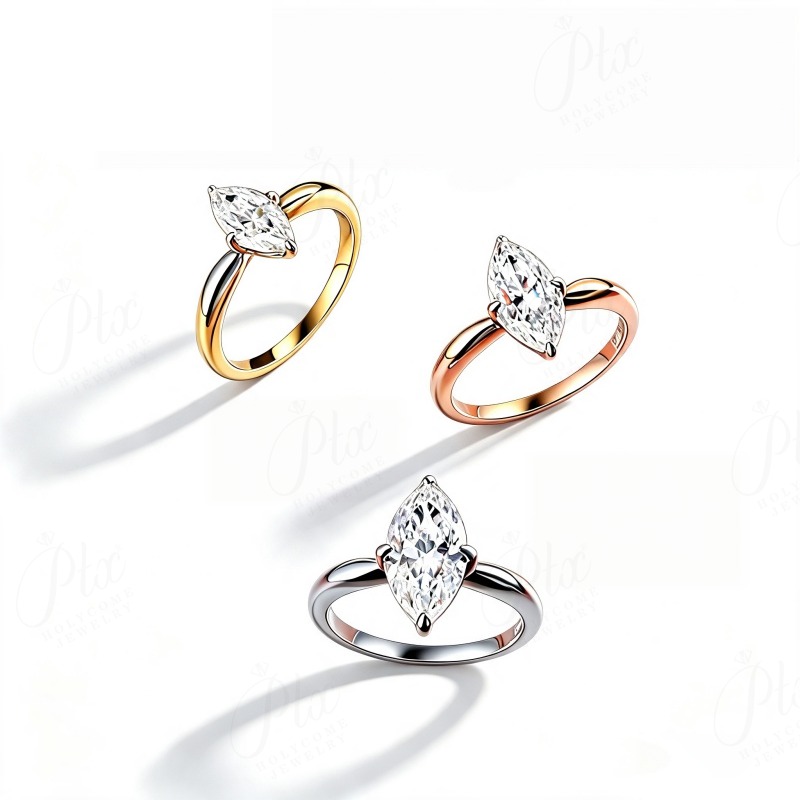
The setting metal matters. Platinum wears slowest and needs the fewest repairs. 18K gold is next. 14K gold is harder but less rich. White gold is usually rhodium plated and needs a refresh every two to three years. For a moissanite worn daily, platinum or 18K yellow gold is the most practical. For a comparison, see our guide to 18K gold purity and colors.
Why Moissanite Sometimes Looks Gray or Yellow
New moissanite buyers sometimes worry that their stone looks gray, yellow, or less brilliant than advertised. There are several common explanations. First, the stone may simply be dirty; body oil on a high-index stone reads as gray. A warm-soap clean usually fixes it. Second, the stone may be an older production with a warmer or grayer tone; modern moissanite is cut to a brighter standard. Third, the lighting matters: moissanite looks different under incandescent, fluorescent, and daylight, and office lighting can make it look gray. Fourth, the surrounding metal tints the stone; yellow gold warms the tone, white gold keeps it white.
If a proper clean does not restore the sparkle, and the stone looks gray even in sunlight, have a jeweler examine it. The issue may be the cut, the age of the stone, or a surface coating that has failed. A reputable seller will stand behind the stone if there is a manufacturing issue.
Moissanite on the Road and at the Gym
Moissanite is hard enough for travel and gym, but the setting needs care. Wear the ring on your finger through airport security or pack it in a hard case in your carry-on. Never pack jewelry in checked luggage. At the hotel, use the room safe. For the gym, remove the ring for weight lifting, rock climbing, and any activity where the hand takes a direct impact. Yoga, running, and cycling are fine with the ring on. For swimming, remove the ring because wet fingers can lose rings and chlorine affects white gold over years.
For a full packing strategy, see our travel jewelry care guide. Moissanite's durability makes it one of the easiest stones to travel with; the only risks are the setting and the chance of loss, both of which are managed with common sense.
Moissanite and Other Gemstones in the Same Piece
If your moissanite ring includes other stones, clean to the tolerance of the softest. A moissanite and diamond halo ring is fine in warm soapy water. A piece that also includes an emerald, opal, pearl, or turquoise needs only a damp cloth. A moissanite paired with sapphires or rubies can take the full warm-soap routine. When a piece mixes stones, always clean conservatively. The moissanite will be fine; the question is the companion stone.
For a broader look at which stones tolerate which cleaning methods, see our guide on ultrasonic cleaners and jewelry safety. The rule of thumb is simple: if you would not put a stone in a dishwasher, do not put it in an ultrasonic. Moissanite, diamond, sapphire and ruby can handle the machine. Emerald, opal, pearl, turquoise and treated stones cannot.
Moissanite Engagement Rings: Daily Wear
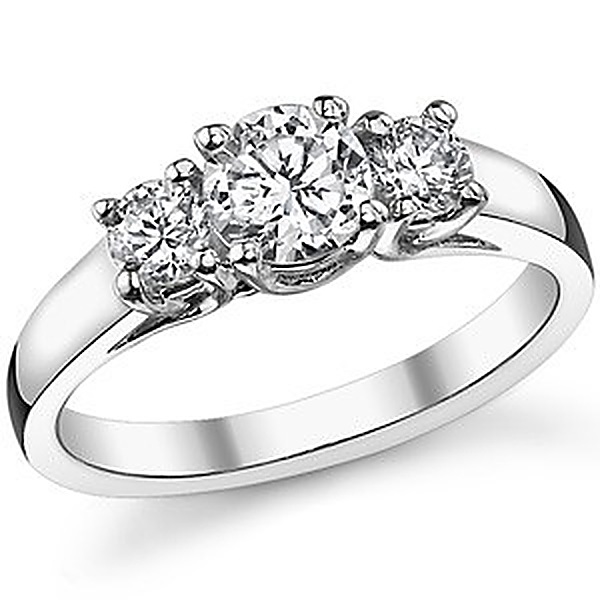
Moissanite has become one of the most popular engagement ring stones because it is brilliant, durable, and affordable. For an engagement ring worn every day, the care routine is simple: wipe the stone after wearing, soak in warm soapy water twice a month, and have the prongs checked annually. Moissanite is hard enough for office work, gym sessions, and travel. It is not affected by perfume, hand sanitizer, or lotion. The main risks are worn prongs and loss, both of which are managed with common sense.
Choose a setting in platinum or 18K gold for daily wear. Platinum wears slowest. White gold is beautiful but needs a rhodium refresh every two to three years. Yellow gold complements moissanite's fire. For a deeper look at choosing a stone, see our moissanite versus lab diamond guide. Whichever you choose, the care routine is the same.
Moissanite Clarity and Cut: Why Cleaning Matters
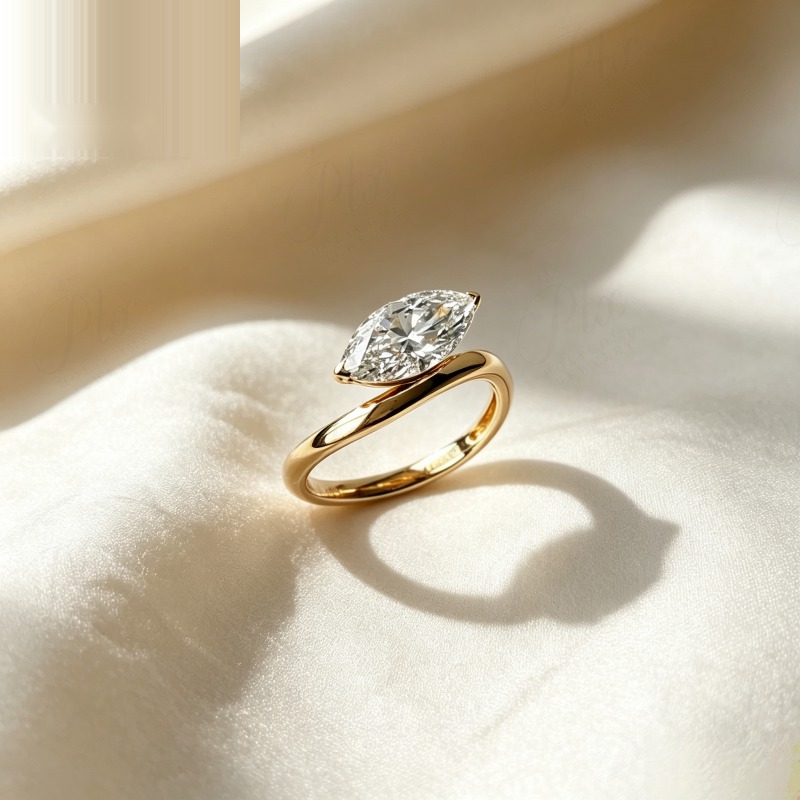
Moissanite is graded for clarity and cut just like diamond. A well-cut moissanite with excellent proportions returns light beautifully. A poorly cut moissanite looks dull no matter how clean it is. If you have cleaned your ring thoroughly and it still looks dull, the issue may be the cut rather than the stone. Moissanite is available in a range of cuts: round, oval, cushion, pear, emerald, and more. The round brilliant is the most forgiving and returns the most sparkle. Fancy cuts show the stone's shape but need better proportions to look alive.
When you buy a moissanite ring, ask about the cut grade and look at the stone in person if possible. A good cut makes a cheap stone look expensive; a bad cut makes an expensive stone look cheap. For a look at cutting styles, see our guide to moissanite cutting styles.
Moissanite and Other Stones in a Stack
If you stack a moissanite engagement ring with a wedding band, the two rings rub against each other and can scratch both. Platinum wears slowest but can still develop a matte finish where it touches. Gold is softer and will show wear faster. Rotate the rings occasionally, and have them cleaned together twice a year. If the wedding band is set with small stones, the contact points can wear the prongs on either ring. An annual prong check catches this.
For broader daily maintenance tips, see our ring care 101 guide. A moissanite ring in a stack needs the same routine as any other ring: wipe, soak, check prongs. The stone itself will outlast the setting.
Why Moissanite Is a Practical Choice for Everyday
Moissanite's combination of hardness, brilliance, and price makes it one of the most practical everyday stones on the market. It will not scratch, it will not cloud, it will not react to normal household chemicals, and it cleans in five minutes with warm water and soap. The myth that moissanite turns gray is almost always a film of oil that a proper clean removes. With a quality stone in a well-set mounting, the care routine is simple and the ring will look bright for decades.
The monthly prong check is the single most important habit. A loose moissanite can fall out just like a loose diamond, and the cost of a retipping today is trivial compared to the cost of a new stone tomorrow. Wipe, soak, check prongs. That is the entire routine.
A Final Moissanite Care Checklist
Keep this list handy: clean the moissanite in warm soapy water twice a month; brush gently under the stone; rinse over a closed drain; pat dry with a lint-free cloth; remove the ring for weight training and manual work; avoid chlorine pools for years on end; book a professional prong check once a year; store the ring in its own soft pouch away from harder stones; and never use toothpaste, baking soda, or bleach on the setting. Add the monthly prong check, and the routine is complete. A moissanite ring treated this way will stay bright and fiery for decades, delivering the sparkle you bought at a fraction of the diamond's cost.
Moissanite Certification and Quality
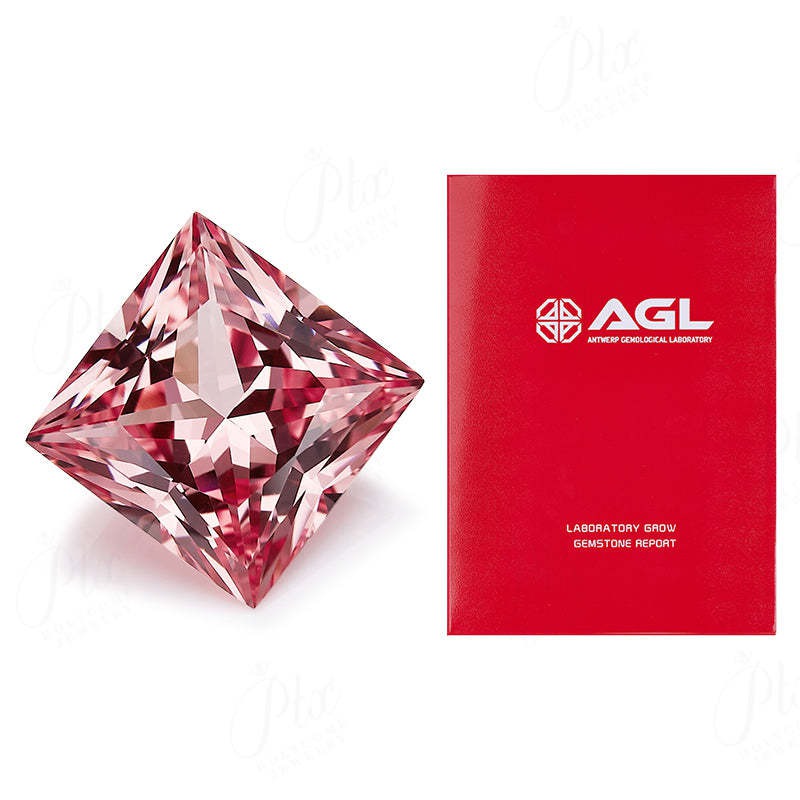
If you are buying a new moissanite ring, ask about the grading. Reputable sellers provide a certificate from an independent lab such as GRA or a recognized gemological institute. The certificate confirms the stone is moissanite, lists its carat weight and cut, and notes any treatments. Moissanite is not treated the way emeralds are, but the certificate protects you against simulants. For more on what certifications mean, see our guide to moissanite certification and GRA.
With a quality stone and a well-set mounting, cleaning is straightforward and the ring will look bright for decades. The myth that moissanite turns gray is almost always a film of oil, not a flaw in the stone. Warm soapy water, a soft brush, and an annual prong check are the entire routine.
Related Articles
- Traveling With Jewelry: How to Pack, Wear, and Protect Your Rings on the Road
- Jewelry Storage Solutions: Protecting Your Collection
For third-party reference, the Wikipedia article on moissanite details moissanite’s discovery, optical properties and use in jewellery.
Frequently Asked Questions
Is moissanite a good diamond alternative for retail buyers?
Yes for price-sensitive customers who want brilliance and hardness. Moissanite ranks 9.25 on the Mohs scale, holds up to daily wear and costs a fraction of a natural diamond of the same size, so it resells fast in bridal and fashion lines.
What is the minimum order for wholesale moissanite?
MOQ starts at 50 pieces per design for stock items. Custom cuts and private-label settings usually start at 100–300 pieces depending on the mold.
Do you provide certificates with moissanite stones?
Yes. Every parcel ships with GRA or IGI documentation listing carat weight, color grade and cut. We recommend passing the certificate to your end customer for trust.
How long does sample and bulk production take?
Samples ship in 3–5 days. Bulk runs take 15–20 days under 500 pieces, and 25–30 days for custom work.