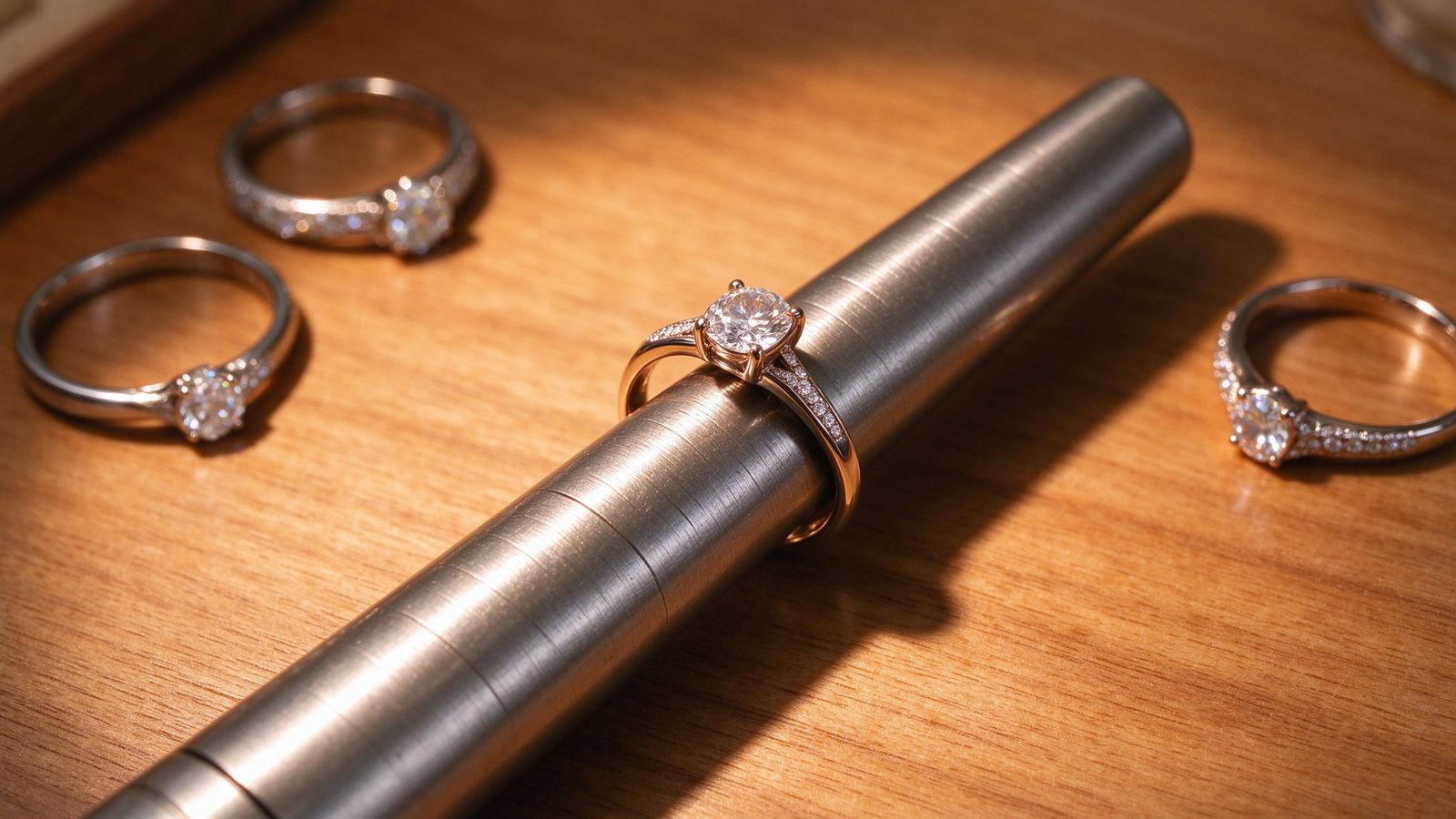
18K Gold: Purity, Alloys, and the Colors of Gold
Gold comes in different purities and colors, and understanding them helps you choose jewelry that looks right and lasts. 18K gold is the premium purity, rich in gold content and deep in color, while 14K gold is the practical daily-wear favorite. Gold also comes in yellow, white, and rose, created by mixing pure gold with different alloys. The choice between karats and colors is about color, durability, and budget, not simply about which is better.
This guide explains gold purity, how alloys create the different gold colors, the trade-offs between 18K and 14K, and how to choose the right gold for a piece. By the end, you will understand what the karat stamp means and why gold looks the way it does.
Gold Purity: Karats Explained
Gold purity is measured in karats, with 24K being pure gold. Pure 24K gold is beautiful and entirely non-reactive, but it is very soft and bends easily, so it is rarely used for daily jewelry. Instead, gold is alloyed with other metals to harden it. 18K gold is 75 percent pure gold and 25 percent alloy, stamped 750. It is the highest purity commonly used in fine jewelry, with a rich, deep color and substantial gold value.
14K gold is 58.5 percent pure gold, stamped 585, with more alloy making it harder and more scratch-resistant. It is the practical favorite for engagement rings and daily wear, because its added alloy makes it tougher. 10K gold is even harder but lower in gold content. The choice is between the richer color and value of 18K and the durability and lower price of 14K.
Higher karat gold is more pure and valuable but softer; lower karat gold is harder but contains less gold. Neither is universally better. For a ring worn daily, 14K's toughness is an advantage; for a pendant or earrings, 18K's rich color shines. The karat stamp is your guarantee of what the metal contains, and responsible sellers disclose it clearly.
Why Gold Comes in Different Colors
Pure gold is always yellow. The white and rose colors come from the metals mixed in. Yellow gold is alloyed with silver and copper, keeping the warm golden color. Rose gold gets its pink tone from a higher copper content, which also makes it durable. White gold is alloyed with white metals like palladium or nickel, then usually rhodium plated to make it bright white, since the natural alloy is faintly gray.
Because color comes from alloys, the karat affects the depth of color. 18K yellow gold is richer and deeper than 14K, which is paler due to more alloy. 18K rose gold has a more intense, saturated pink than 14K. This is part of why 18K is prized: its higher gold content makes the color more vivid. White gold, regardless of karat, relies on rhodium plating for its bright white finish.
Choosing a gold color is a matter of taste and skin tone. Yellow gold is warm and classic, rose gold is modern and flattering, and white gold is cool and versatile. Mixing metals is a current fashion, but if you want a timeless single tone, choose the color that suits your skin and existing jewelry. The color is permanent in yellow and rose gold, while white gold's brightness is maintained through periodic re-plating.
18K vs 14K: Which to Choose
18K gold offers richer color, higher gold value, and a luxury feel, but it is softer and shows scratches more readily. It is ideal for pieces that take less impact, like pendants, earrings, and special rings, and for buyers who want the deepest gold color and the highest precious-metal content. 18K also carries a higher price, reflecting its gold content.
14K gold is harder, more scratch-resistant, and more affordable, making it the practical choice for rings, wedding bands, and bracelets worn every day. It holds prongs and pavé settings securely and stands up to knocks. The trade-off is a slightly paler color and less gold content, but for daily wear, that durability is worth it. Many engagement rings are 14K for exactly this reason.
For wholesale buyers, stocking both makes sense: 14K for everyday durable pieces, 18K for premium, color-rich statement pieces. Match the karat to how the piece will be worn. A daily ring should be tough; an occasional pendant can be rich 18K. The karat is not a status symbol but a practical choice, and the right one depends on the piece's life.
| Karat | Gold Content | Best For |
|---|---|---|
| 24K | 99.9% | Too soft for jewelry |
| 18K | 75% | Rich color, pendants/earrings |
| 14K | 58.5% | Daily rings, durability |
| 10K | 41.7% | Hard, affordable |
Caring for Gold
Gold is durable and does not tarnish, but the alloys and finishes need care. Clean gold with warm soapy water and a soft brush, and avoid chlorine, which damages gold solder. Higher-karat gold scratches more easily, so store pieces separately and remove rings for heavy work. White gold needs periodic rhodium re-plating as the bright finish wears over years.
Because 18K is softer, it scratches and dents more readily than 14K, so treat 18K pieces gently. A well-loved 18K ring develops a warm patina, which many wearers appreciate. Have gold polished only occasionally, because polishing removes a tiny layer of metal and can wear thin details over decades. Gentle cleaning and separate storage keep gold beautiful.
When buying gold, confirm the karat stamp and that the piece is solid, not hollow or plated. Solid gold lasts for generations and can be repaired and resized. Whether you choose rich 18K or practical 14K, real solid gold is a lasting material that holds its color and value.
Caring for Gold Color and Finish
Yellow and rose gold keep their color permanently, because the hue comes from the alloy itself. Clean them with warm soapy water and store them separately. 18K gold scratches more easily than 14K, so treat 18K pieces gently and remove them for heavy work. White gold needs periodic rhodium re-plating to stay bright. Understanding these differences helps you care for each gold color correctly.
Over decades, gold develops a warm patina that many owners love. Clean it gently rather than over-polishing, because polishing removes tiny layers. Have a professional re-plate white gold as needed. Whether yellow, rose, or white, solid gold lasts for generations and can be repaired and resized. Buy the karat and color that suit how the piece will be worn, and it will age beautifully.
Choosing Gold for Gifts and Inventory
Gold is the classic jewelry gift because it suits every skin tone and holds meaning. Yellow gold is warm and traditional, rose gold is modern and flattering, and white gold is cool and versatile. For a gift, match the recipient's existing jewelry metal. For wholesale, stocking all three colors covers different tastes, and 14K gold offers durable everyday pieces while 18K caters to premium buyers.
Confirm the karat stamp and that the piece is solid, not hollow or plated. Solid gold is a lasting gift that can be passed down. Price it appropriately by karat, and describe the metal honestly. Gold's enduring beauty and value make it one of the most reliable materials in jewelry, and choosing the right karat and color ensures the piece is loved and worn for years.
Choosing the Right Gold for You
Choose 18K gold when you want rich, deep color and high gold content, and when the piece takes less impact, like a pendant or earrings. Choose 14K gold for daily-wear rings, because its alloy makes it harder and more scratch-resistant. Pick yellow, rose, or white gold by your taste and skin tone, remembering that white gold needs periodic rhodium re-plating. Confirm the karat stamp and that the piece is solid, not hollow. Clean gold with warm soapy water, store pieces separately, and have it polished only occasionally. Solid gold lasts for generations and can be repaired and resized. Match the karat and color to how the piece will be worn, and you choose a metal that holds its warm, enduring beauty for life.
How Alloys Create Gold's Colors
Pure 24K gold is always yellow and too soft for jewelry. The different gold colors are created by alloying pure gold with other metals. Yellow gold keeps its warm color with silver and copper. Rose gold gets its pink tone from a higher copper content. White gold uses white alloys like palladium, then gets rhodium plated to look bright. This means the karat and the color are both alloy decisions: higher karat means more pure gold and deeper color, lower karat means more alloy and greater hardness.
18K gold is 75 percent pure gold, rich in color but relatively soft. 14K is 58.5 percent gold, harder and more scratch-resistant for daily wear. Understanding this explains why 18K shows its deep color on occasional pieces while 14K wears better on rings. Gold itself does not tarnish, though alloys may, and solid gold lasts for generations. The metal science behind gold is simple but elegant: the same noble yellow, tuned by alloy into the colors and strengths we wear every day.
Choosing Karat for the Right Piece
Choosing between 18K and 14K gold is really choosing between richness and hardness. 18K gold is 75 percent pure, with a deep, saturated color that feels luxurious, but it is softer and shows scratches more easily. It is perfect for pendants, earrings, and occasional rings where impact is low. 14K gold is 58.5 percent pure, harder and more scratch-resistant, which makes it the practical choice for wedding and engagement rings worn daily. Neither is superior; they suit different wear.
Color is a separate alloy choice. Yellow gold is warm and traditional, rose gold is modern and flattering on many skin tones, and white gold is cool and bright but needs periodic rhodium re-plating. Confirm the karat stamp and that the piece is solid rather than hollow. Clean gold with warm soapy water, store pieces separately, and have it polished only occasionally, because polishing removes tiny layers. Solid gold lasts for generations and can be repaired and resized. Match the karat and color to how the piece will be worn, and you choose a metal that holds its warm, enduring beauty for life.
Gold as a Lasting Heirloom Metal
Solid gold is one of the few jewelry materials that genuinely lasts for generations. It does not rust, corrode, or tarnish, and it can be repaired, resized, and reworked endlessly. An 18K piece carries 75 percent pure gold, so it holds both rich color and real metal value, while 14K offers durable everyday hardness. Whether yellow, rose, or white, the gold itself outlives fashion. That permanence is why gold is passed down as heirlooms, and why it is such a meaningful gift.
Clean gold gently with warm soapy water, store pieces separately so they do not scratch, and have it polished only occasionally. White gold needs periodic rhodium re-plating, while yellow and rose gold keep their color permanently. Match the karat to the wear: 18K for rich, occasional pieces, 14K for daily rings. Buy solid, confirm the stamp, and the piece will accompany you and your family for decades.
The Timeless Appeal of Gold
Gold has adorned humanity for thousands of years because it does not rust, corrode, or lose its warm glow. Solid gold is repaired, resized, and passed down for generations, which makes it one of the most meaningful materials in jewelry. Choose the karat and color to match how the piece will be worn, confirm the stamp, and clean it gently. Whether yellow, rose, or white, solid gold holds its beauty for life, and it becomes a lasting part of any collection.
Matching Gold to the Occasion
Choose 18K gold for pieces where rich color matters, like pendants, earrings, and occasional rings, because its deep hue feels luxurious. Choose 14K gold for daily-wear rings, because its added alloy makes it harder and more scratch-resistant. Pick yellow gold for warmth, rose gold for modern romance, and white gold for a cool, bright look, remembering that white gold needs periodic rhodium re-plating.
Confirm the karat stamp and that the piece is solid rather than hollow. Clean gold with warm soapy water, store pieces separately, and have it polished only occasionally. Solid gold lasts for generations and can be repaired and resized. Match the karat and color to how the piece will be worn, and you choose a metal that holds its warm, enduring beauty for life, making it a gift or heirloom worth keeping.
Gold That Lasts Generations
Solid gold is one of the few materials that genuinely outlives trends. It does not rust, corrode, or lose its glow, and it can be repaired and resized endlessly. Choose the karat for the wear, confirm the stamp, and clean it gently. Treated well, a gold piece becomes an heirloom passed down, its warm color unchanged by the years. That permanence is why gold remains the most meaningful metal in jewelry.
Frequently Asked Questions
What does 18K gold mean?
It is 75 percent pure gold alloyed with other metals for strength, stamped 750. It has a rich, deep color and higher gold value than 14K, but is softer.
Is 18K better than 14K?
18K has richer color and more gold content, but 14K is harder and more scratch-resistant. Choose 18K for color-rich occasional pieces and 14K for daily-wear rings.
Why is gold different colors?
Pure gold is yellow. Rose gold adds copper, white gold uses white alloys plus rhodium plating, and yellow gold keeps the warm tone. Higher karat gold shows deeper color.
Does white gold stay white?
It is rhodium plated for brightness, and that plating wears over one to three years. A jeweler re-plates it to restore the white finish.
Is solid gold worth the price?
Yes. Solid gold does not tarnish, can be repaired and resized, and lasts for generations. It is a lasting material compared with plated jewelry that wears through.
Gold purity and color are practical choices, not status symbols. 18K offers rich, deep color and high gold content for special pieces, while 14K provides the durability daily rings need. Yellow, rose, and white gold are created by alloys, and white gold's brightness is maintained through re-plating. Choose the karat and color that match how the piece will be worn, confirm the karat stamp, and care for it gently. Real solid gold lasts a lifetime and holds its warm, enduring beauty.