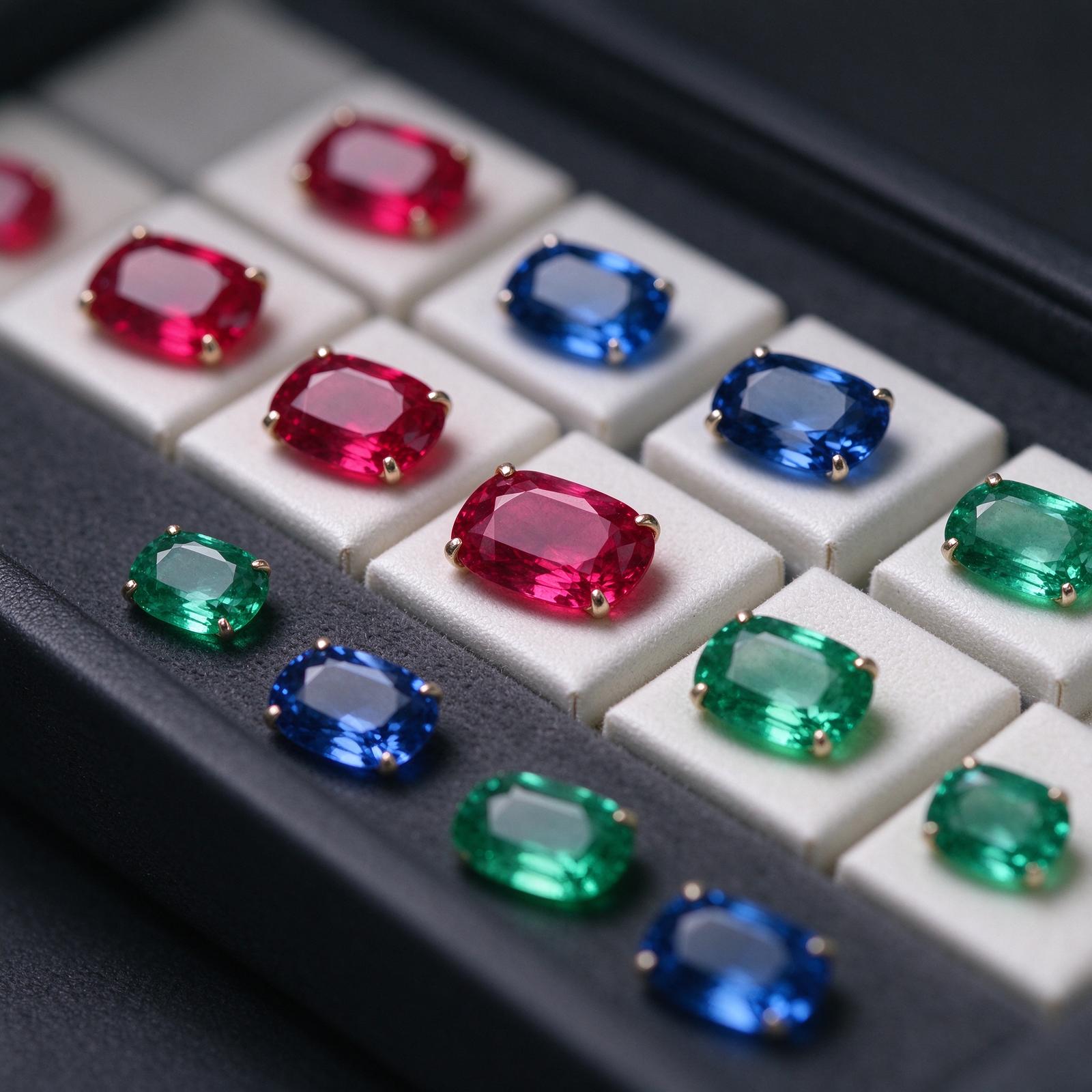
Every moissanite comes with a paper. The paper is called a GRA certificate. Clients ask us what it means, and whether it is like a GIA diamond report. The honest answer is: it is related, but it is not the same thing. GRA is a certification for moissanite, and it tells you something about the stone. It does not tell you everything. Here is what the paper actually says, what it guarantees, and what to do with it when you buy.
What GRA Stands For
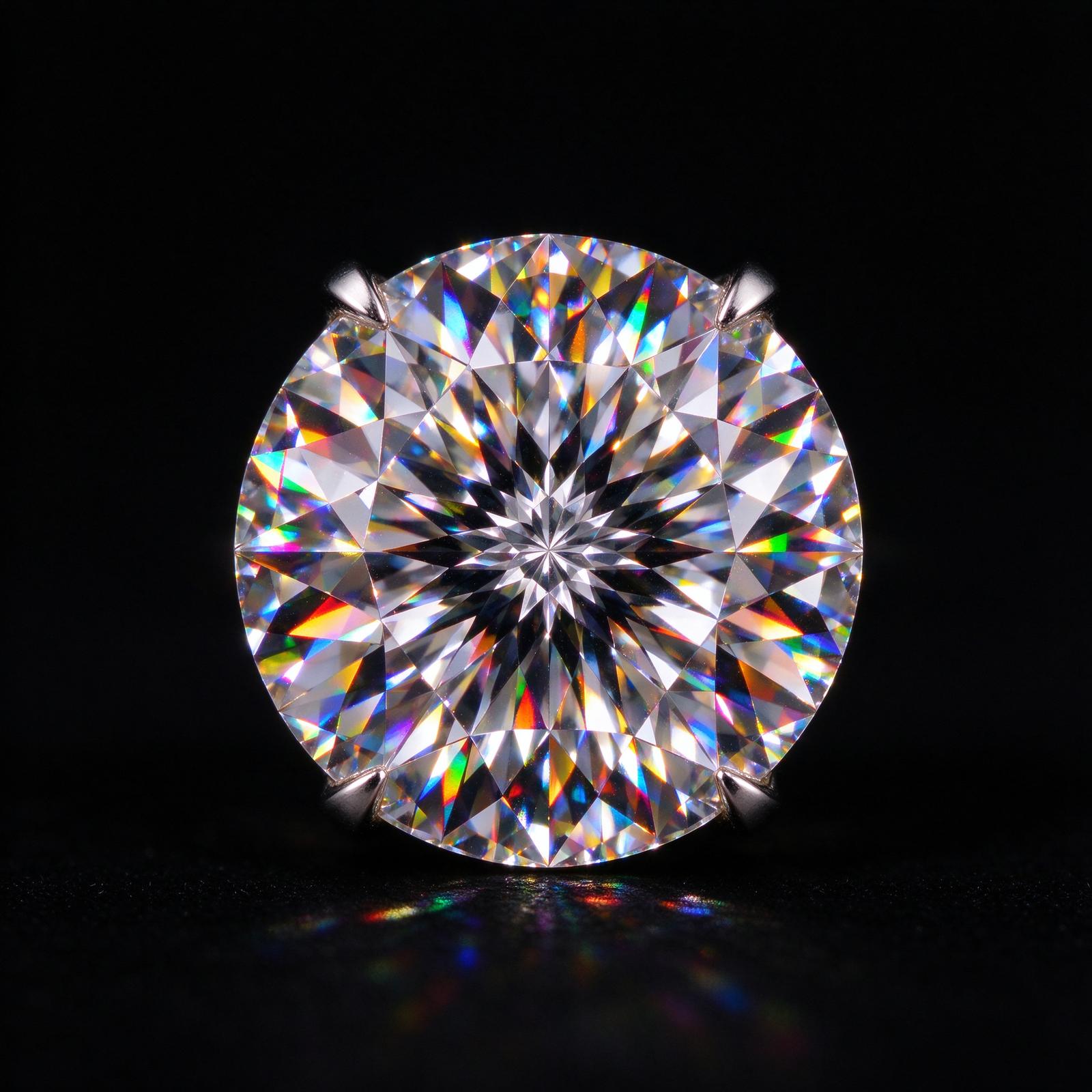
GRA is a gemological grading lab that focuses on moissanite and related stones. The certificate lists the stone's carat, cut, color, and clarity as measured by the lab. It confirms the stone is moissanite, not a cubic zirconia or a glass. It gives you a reference number and a photo. It is, in short, a grading report for the stone. It is not a guarantee of value, and it is not an appraisal.
What the Certificate Actually Guarantees
It guarantees the stone is moissanite, of the carat and cut described. It gives you a paper to match to the stone. If you ever need to identify the stone, the GRA number is how. It does not guarantee the cut is perfect, the color is top grade, or that the stone is worth what you paid. Those judgments are on you, or on an independent appraiser. The GRA paper is a starting point, not the whole story.
- GRA confirms: the stone is moissanite, its carat, its basic grades.
- GRA does not guarantee: value, investment worth, or flawless cut.
- Keep the paper with the stone.
How GRA Differs From GIA
GIA grades diamonds and is the most respected name in diamond grading. A GIA report on a diamond is the gold standard. GRA is smaller, focused on moissanite, and carries less independent weight. This does not make GRA fake. It makes it a specialist lab. When you buy a GRA-certified moissanite, you are buying a stone whose basic identity is confirmed. When you buy a GIA diamond, you are buying a stone graded by the industry reference. The two are not directly comparable. Know which paper you are holding.
Why We Include the GRA Paper
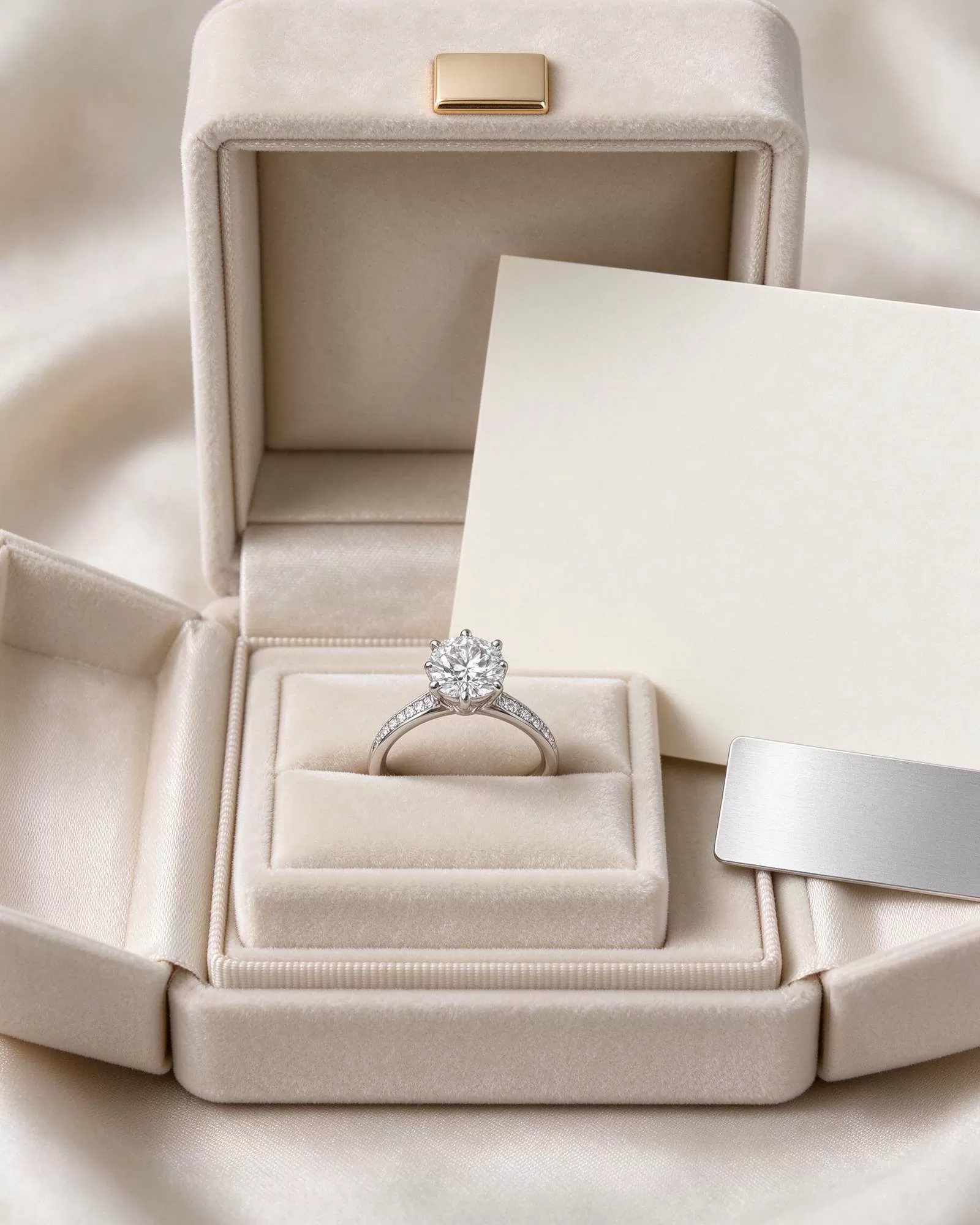
Every moissanite we set comes with its GRA card. We keep a copy in our files. We hand the original to you. Why? Because it proves what the stone is. If you ever sell, insure, or reset the stone, the paper matters. It also protects you: if a stone is not what it claims, the paper is the evidence. We do not sell stones without their papers. The paper is part of the piece.
What to Do If the Paper Is Missing
If you buy a moissanite secondhand and the GRA paper is gone, all is not lost. The stone can be re-identified by a gemologist. But you lose the easy provenance. When you buy from us, the paper comes with the stone. Keep it in the box. Do not frame it and hang it. Store it with the jewelry, the way you would a receipt. It is proof, not decor.
Is GRA Certification Worth Paying Extra For
It is worth having, not worth paying extra for. A reputable moissanite already comes with GRA. If a seller asks a premium for the paper, walk. The paper is part of the stone, not an upsell. We include it because it is standard. You should expect it, not pay for it.
Reading the GRA Card Line by Line
A GRA card lists the stone's shape, carat weight, color grade, and clarity grade, plus a laser number etched on the girdle. The number matches the card. The card also has a small photo of the stone. When we set a GRA moissanite, we verify the girdle number under the loupe before the stone goes into the setting. If the number does not match the card, we stop. The card and the stone must agree. This is the basic check that protects you from a mismatched or fake stone.
Common Fake Papers We See
Not every paper that looks like a GRA card is genuine. We have seen photocopied cards, cards with wrong weights, and cards printed on home printers. Genuine GRA cards have security features, a format, and a verifiable number. If you buy a moissanite secondhand and the paper looks off, bring it to us. We can usually tell at a glance whether the paper matches the stone. When you buy from us, the paper is genuine, and we stand behind it.
The Difference Between a Paper and an Appraisal
The GRA card identifies the stone. It does not value it. For insurance, you still need an appraisal. The card tells the insurer what the stone is. The appraisal tells them what it costs to replace. You need both. Do not think the GRA card replaces the appraisal. It does not. It is the first document, not the only one.
What Clients Ask Us
Is GRA as respected as GIA
No. GIA is the diamond gold standard. GRA is a moissanite specialist lab.
Do I need the GRA card to insure
It helps, but the appraisal is what the insurer needs.
What if I lose the card
We can re-identify the stone, but the original card is best kept safe.
The Laser Number on the Girdle
Genuine GRA moissanite has a tiny number laser-etched on the girdle, the thin outer edge of the stone. The number matches the card. Under the loupe, you can read it. When we set a GRA stone, we check that the number on the girdle matches the number on the card before the stone goes into the mounting. This is the basic anti-fraud check. If the number does not match, the stone is not the stone on the paper. We stop and raise it with the supplier. Clients buying from us get a stone whose paper and girdle agree.
What the Grades Actually Mean
GRA grades color and clarity on a scale similar to diamonds, but for moissanite the grades are less standardized. Most moissanite is sold as near-colorless, because moissanite's slight yellow tint is part of its character. Clarity grades describe inclusions. The honest truth is that GRA grades are a reference, not a verdict on beauty. A stone with a lower grade can look better on the hand than a stone with a higher grade. Use the paper as identity, not as a beauty ranking.
Keeping the Paper Safe
Store the GRA card with the ring, in the box, not in a drawer it can get lost from. Photograph it and keep the photo in the cloud. If you ever sell, insure, or reset the stone, the card is the proof of identity. We keep a copy in our files, but the original belongs to you. Treat it like a receipt because, effectively, it is. If you lose it, we can re-identify the stone by the girdle number, but the original card is best.
Does GRA Grade Every Moissanite
Most reputable moissanite comes with a GRA card, but not every stone is graded the same way. Some stones are sold without papers, usually cheaper. We do not sell unpapered stones. The card is part of the product. If a deal seems too good, the paper may be missing or fake. Buy the stone with the card, and verify the girdle number. The small extra cost of a papered stone is worth the peace of mind.
What Happens If You Lose the Card
Not the end of the world. We can identify the stone by its girdle number and appearance. But the original card is worth money. If you ever sell the stone, a carded stone sells for more. Store it in the jewelry box, photographed in the cloud. Treat it like the stone identity document. It is.
GRA Versus Other Moissanite Papers
Not all moissanite papers are GRA. Some labs issue their own certificates. GRA is the most common for the stones we set, but it is not the only one. What matters is that the paper matches the stone, has a girdle number, and comes from a lab the seller stands behind. We verify every paper that comes through our bench. If a paper looks off, we stop. The lab name matters less than the match between paper and stone. We will show you the girdle number before the stone is set.
Do You Need the Paper to Resize the Ring
No. Resizing the shank does not affect the stone or the paper. You can resize without the card. But keep the card anyway, because you never know when you will need it for insurance or a reset. The card is the stone identity. The resize is just metal. They are independent.
How We Verify a GRA Card
When a moissanite arrives with a GRA card, we check three things. The girdle number matches the card. The carat on the card matches the weighed stone. The photo on the card looks like the stone in front of us. If any of these fail, the stone goes back. We do not set a stone whose paper does not match. This takes five minutes. It protects you and it protects us. When the stone leaves our bench, the paper and the stone agree. That is the standard.
The Bottom Line on GRA Papers
GRA certification is a useful identity document. It confirms the stone is moissanite of a given weight and grade. It is not an appraisal, and it is not a guarantee of value. Keep the card, verify the girdle number, and pair the card with a real appraisal for insurance. When you buy from us, the card is genuine, the number matches, and we stand behind the stone. That is the whole story. The paper helps. The stone is the point. Bring us any paper and stone combination and we will tell you honestly whether they agree.
Common Questions About the Card
Can I use the GRA card as an insurance appraisal? No. Insurance needs an appraisal from a qualified appraiser, usually done in person. Can a fake GRA card be printed? Yes, which is why we verify. Does every moissanite have a GRA card? Most reputable ones do, but not all. Do I need to keep the card forever? Yes, like the stone identity. What if the number on the girdle is too small to read? We have the microscope. We will read it for you. The card is a tool, not a promise. We make the promise.
If you already own a moissanite and lost the card, bring it in. We will identify it, weigh it, and write a new record. The stone does not care about the paper. The paper exists for your records, your insurer, and your eventual sale. We will help you rebuild the file. The stone is what matters. The rest is paperwork we handle. We have seen cards that were two decades old, still matching the stone. Paper lasts if you keep it. So does the stone.
When we hand you a ring with a GRA card, we also hand you our own bench note: the stone weight, the cut, the setting date, and our signature. That note is our own promise, separate from the lab. Keep both. The lab card proves what the stone is. Our note proves who set it. They travel together. If you ever need to sell, insure, or reset, you will have both pieces of paper. We have been doing this long enough to know that the paperwork you keep today saves you days of work tomorrow. Do not skip it.
Closing Thought
GRA certification tells you what the stone is. It does not tell you what it is worth. Keep the paper, set the stone you actually like, and insure the piece with an appraisal. The GRA card is the beginning of the paperwork, not the end. We include it, we explain it, and then we set the stone so it shines.