When people think colored engagement rings, they think blue sapphire. That is a wonderful choice, but it is not the only one. There is a whole world of colored gems that make unusual, personal, and surprisingly durable engagement stones. These are the underrated ones we set most often, and why clients who choose them rarely regret it.
Pink Tourmaline
Pink tourmaline comes in every shade, from soft peach to hot pink. It is hard enough for daily wear, about a seven to seven and a half. It is affordable compared to a pink sapphire, and it has a softer, more romantic glow. We set pink tourmaline in rose gold constantly, and the result is warm and unusual. It is not a diamond. It is not trying to be. It is its own thing, and clients who choose it love that it is not the ring everyone else has.
Morganite
Morganite is the peach-pink stone that boomed a few years ago and never really went away. It is soft, warm, and pairs beautifully with rose gold. It is slightly softer than sapphire, so we recommend a protective bezel for daily wear. Morganite is for clients who want color but want it quiet. It does not shout. It glows. It is also kinder on a budget than a pink diamond of the same look.
Spinel
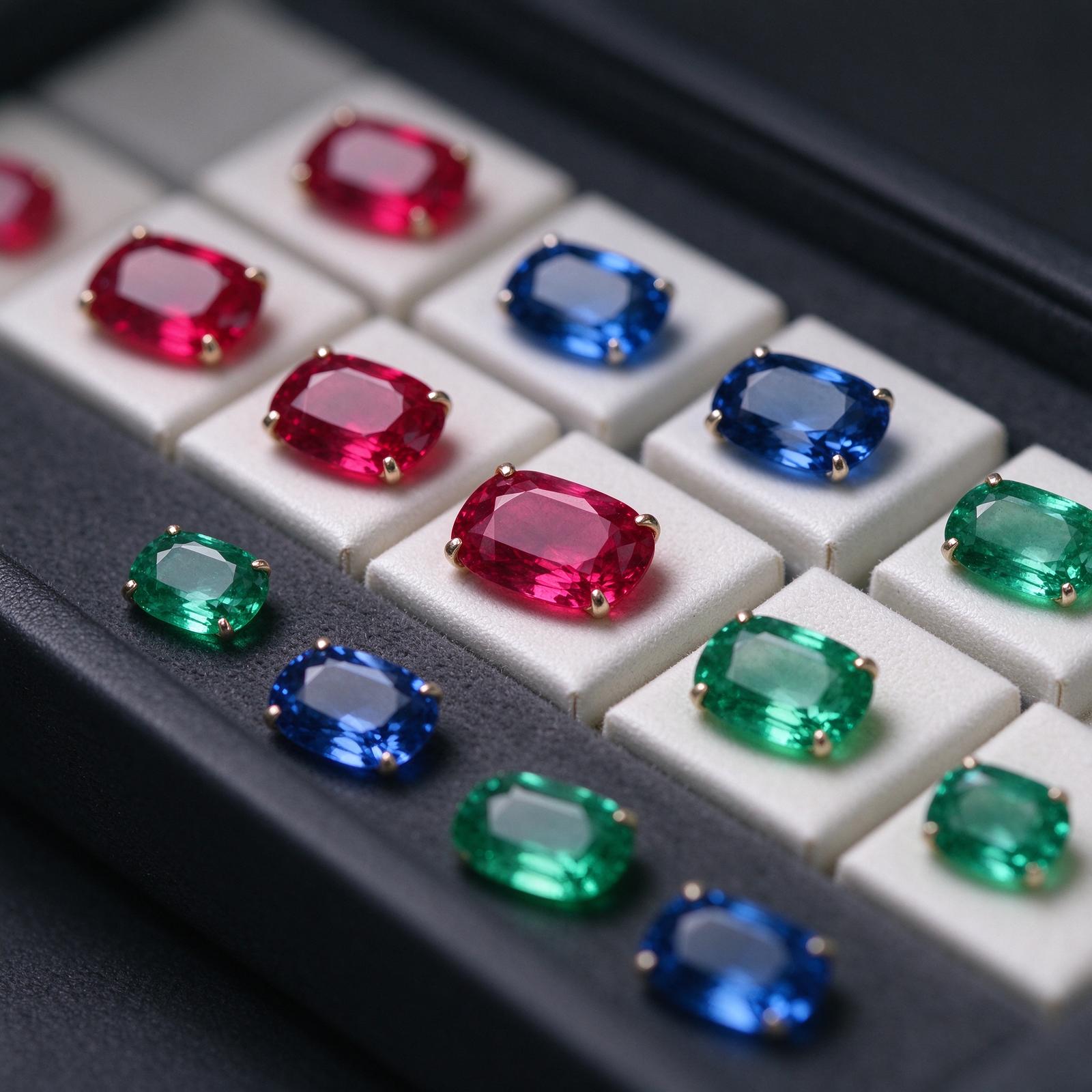
Spinel is the sleeper gem. It comes in red, pink, lavender, and black. It is hard, tough, and underpriced relative to its beauty. A red spinel can look like a ruby at a fraction of the cost. We love spinel because it is what the in-the-know choose. It is rare enough to feel special, common enough to be affordable. If you want a red engagement stone that is not a ruby and not a garnet, spinel is the answer.
- Pink tourmaline: romantic, affordable, daily-wear ready.
- Morganite: soft peach, rose gold pairing, needs a bezel.
- Spinel: tough, underrated, red or lavender.
- Aquamarine: soft blue, best for occasional wear.
- Garnet: deep red, affordable, varied.
Aquamarine
Aquamarine is the pale blue of the sea. It is beautiful, but it is softer and can chip on a daily ring. We recommend it for clients who want a blue but will wear the ring carefully, or who want a statement piece rather than a never-removed band. Set in a bezel, aquamarine is a dream. Set in thin prongs on a daily ring, it may not last. We will tell you which setting suits it.
Garnet
Garnet is not just the deep red birthstone. It comes in green, orange, and purple too. It is affordable, hard enough for daily wear, and deeply underrated. A green garnet, tsavorite, is a stunning green that costs a fraction of an emerald and does not fracture the way emerald does. If you want a colored ring on a real budget, garnet is the honest answer.
Why Choose a Colored Stone
A colored engagement ring is a choice of personality. It is not a compromise. It says, "We chose what we loved, not what was expected." Colored stones are more personal, more unusual, and often more affordable than a diamond of the same size. They also age beautifully. A sapphire or spinel ring worn for fifty years looks richer than a diamond worn for fifty years. Color deepens. It becomes yours.
Pricing Logic for Color Gems
Colored gemstones are priced differently from diamonds. Diamonds are priced by carat in a global market. Color gems are priced by beauty, origin, and rarity, which means two stones of the same carat can cost very differently. A fine pink tourmaline can be affordable. A fine spinel can be surprisingly cheap for the color. A tsavorite garnet costs a fraction of an emerald. The rule of thumb: buy the stone you love, get an independent valuation, and do not expect diamond-like pricing logic. Color gems are a different market, and that is good news for buyers who want unusual stones on a sensible budget.
Setting Each Stone Well
Color gems need settings that match. Softer stones benefit from bezels that protect the edges. Harder stones like spinel and sapphire can take prongs. We design the setting around the stone's weaknesses. An aquamarine in thin prongs chips. The same aquamarine in a bezel survives. When we set a color gem, we ask how you will wear it, and we build the protection accordingly. The stone is only as safe as the setting around it.
Who Chooses Color Gems
Clients who want a ring that does not look like everyone else's. Clients who love a specific color. Clients who want an engagement ring with personality. The color gem ring is not a compromise. It is a statement. People who choose them rarely later wish they had picked a diamond. They love that their ring is theirs. Color deepens with years of wear. A sapphire or spinel worn for twenty years looks richer than a diamond worn for twenty years.
What Clients Ask Us
Are color gems less durable
Some are. Sapphire and spinel are very durable. Opal and emerald need care. We match the stone to your life.
Can I get a color gem resized
Yes, if the setting is built for it. We account for that at design.
Do color gems hold value
Fine stones in rare colors do. Fashion stones do not. Buy for wearing.
Color Consistency and Origin
Color gems vary. Two pink tourmalines from the same mine can look different. Origin affects color and value. Ceylon sapphires, Burmese rubies, and Colombian emeralds carry origin premiums. For most clients, origin does not matter as much as the color on the hand. We source stones by eye, not by certificate. If a stone looks right on your hand, that is the one. Origin stories are lovely, but they are not the stone. Wear the color you love.
Care for Colored Stones
Colored stones need the same respect as diamonds. Take the ring off for chemicals. Wash it with mild soap. Bring it in for a prong check annually. Softer stones like aquamarine need more care. Harder stones like spinel and sapphire tolerate daily life. We tell you the care level when we sell the stone. A colored ring is not a neglect ring. It is a wearing ring, and it ages well when treated right.
The Ring No One Else Has
Walk into any room and you see solitaire diamonds. Walk in with a pink tourmaline in a rose gold bezel, and people remember. Colored engagement rings are personal. They say, we chose what we loved, not what was expected. Years later, when the diamond next to you looks fine and your colored ring looks richer, you will be glad you chose color. Color deepens. It becomes yours. That is the quiet advantage of the underrated choice.
Matching the Metal to the Color
Color gems and metal work together. Pink tourmaline and morganite sing in rose gold. Blue sapphire and aquamarine love white gold or platinum. Green garnet pops in yellow gold. We help clients match the metal to the stone. The wrong metal can wash out a color. The right metal makes it glow. When we design a color ring, we choose the metal as part of the stone, not as an afterthought. The combination is the design.
The Occasion Piece That Becomes Daily
Some clients buy a colored gem for an occasion ring and end up wearing it daily because it makes them happy. That is fine. We just make sure the stone is hard enough for daily life. A spinel or sapphire handles it. An aquamarine in a bezel can. We match the stone to the actual wear, not the planned wear. People change their minds about what they wear. We build for the reality.
The Color That Ages Best
Some colors fade. Sunlight can lighten some amethyst and aquamarine over decades. Stable colors like sapphire, ruby, and spinel do not change. If you want a ring that looks the same in fifty years, choose a stable stone. If you love a lighter color, know it may shift slightly. We tell clients this honestly. The stone you choose should be one you love as it ages, not just on day one.
Buying a Color Stone You Have Not Seen
Buying online, you see a photo. The photo is not the stone. Color stones vary batch to batch. We source stones in person, in daylight, so what you see is what you get. If you buy a color stone unseen, you may be disappointed. We encourage clients to come in and see the stones on the bench. The color is the whole point. It is worth seeing in person.
The Color That Matches Your Life
Choose a color you actually wear. If you always wear blue, a blue sapphire or aquamarine will feel like you. If you love warm tones, pink tourmaline or morganite. If you want something different, green garnet or spinel. The ring should match the person, not the trend. A color you love today will still feel right in twenty years. A color you bought because it was trendy will feel dated. We help clients narrow by asking what colors they already wear. The answer is usually the ring they want.
The Bottom Line on Color Gems
The engagement ring does not have to be a diamond. Pink tourmaline, morganite, spinel, aquamarine, and garnet are all honest, durable, beautiful choices. They are more personal, more unusual, and often more affordable. Choose the color you actually wear, in a setting that protects it, and you will have a ring that ages with you. The ring no one else has is the ring that is yours. Come see the loose stones. We will help you find the one that matches your hand. The right color is the one you cannot stop looking at.
Common Questions About Color Stones
Will a color stone look dated? No, if you choose a color you love. Will it be hard to match? No, we build the setting around it. Will my partner be surprised? Pleasantly, if you chose their color. Will it hold up? If it is spinel, sapphire, ruby, or garnet, yes. If it is aquamarine or tourmaline, wear it thoughtfully. Can I add a diamond halo? Yes, but let the color lead. Should I tell anyone? Tell us. We will source the right stone. A color engagement ring is a conversation, and we have been in hundreds of them. Come talk.
The most common regret we hear is not choosing the color they really loved. Clients who picked a diamond because they thought they should, then admitted they wanted pink, come back a year later to reset. We would rather you pick the color that makes your heart jump now. The ring is on your hand for decades. It should be the color you reach for, not the color a magazine told you to want. We have all the stones in the case. Find yours.
A color stone also photographs differently than a diamond. In warm light, it deepens. In cool light, it lightens. Your photos will show a ring that changes with the day. That is part of the charm. A diamond is always a diamond. A color stone is a mood. Choose the mood you want to carry with you. We will set it in a metal that makes it sing. When you walk out with the ring, you will know. The color will look right on your hand, with your skin tone, with the clothes you wear. If it does not look right in the case, it will not look right on the hand. We try them on. We look in the mirror. We make sure before the ring leaves.
Closing Thought
The engagement ring does not have to be a diamond. It can be pink tourmaline, morganite, spinel, aquamarine, or garnet. The right colored stone is the one that makes you stop in the light. Come see our loose stones. We will show you the ones that surprise you. The ring you choose will be the one no one else has, because it was chosen for you.