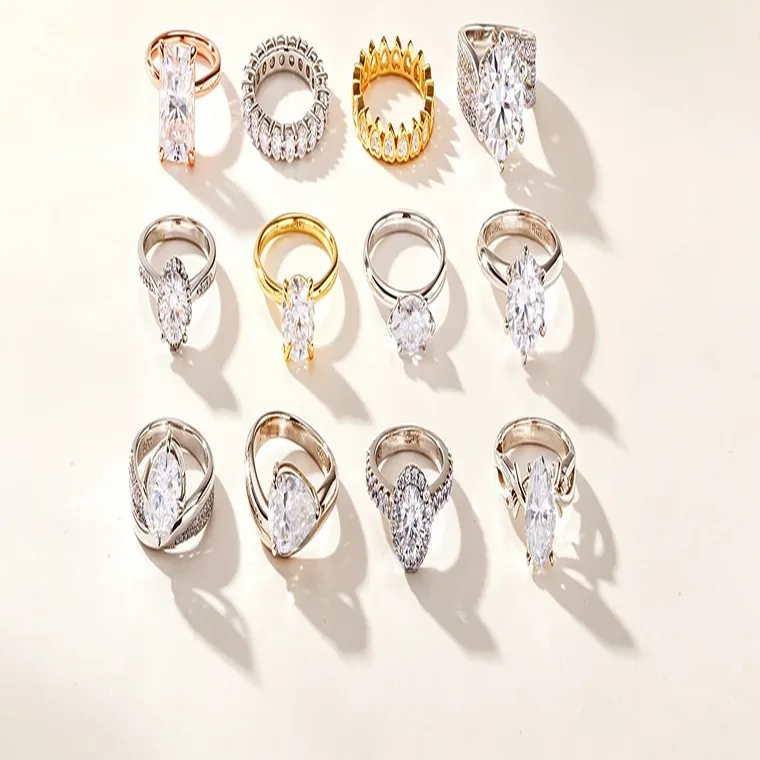
Walk into any stone room and the topaz drawer is usually the most underrated cabinet in the building. It shows up clear, pale pink, sherry brown, and the electric blue that most buyers actually recognize. The twist that matters at our bench: nearly every saturated blue topaz sold today began life as colorless or pale gray rough, then entered a furnace. That history tells us how to set the stone, how to clean it, and how honestly to price it against other blue gems.

What topaz actually is
Topaz is an aluminum fluorosilicate that crystallizes in long prismatic columns, often with a chisel-shaped termination. It registers 8 on the Mohs hardness scale, which puts it comfortably above quartz (7) and close to sapphire (9). That makes it a genuinely wearable stone for rings, pendants, and earrings — not a specimen-only mineral that lives in a display case. It takes a high polish, holds it for years, and resists the scratches that mark softer colored stones.
The natural color range includes champagne, sherry, yellow-brown, and soft pink. The pinks, especially the imperial orange-pink material historically associated with Ouro Preto in Brazil, are the rarest and most expensive. Blue, by contrast, is almost never found in saturated form in nature. Natural blue topaz exists, but it tends to be pale, grayish, or heavily included.
Where the blue comes from
The vivid Swiss blue and London blue you see in jewelry stores are produced by taking colorless or very light topaz and exposing it to controlled irradiation followed by gentle heat. The treatment is stable, permanent, and standard across the trade. Once the color is set, it does not fade in sunlight, wash out under a heat lamp, or change over decades of wear. This is not the kind of treatment that "goes away." It is part of the stone's chemistry.
You will also encounter mystic topaz, which is white or pale topaz coated with a thin vacuum-deposited film that shifts rainbow colors across the crown. That coating is surface-level. It can scratch, wear through at a bezel edge, or flake if the stone is ever re-polished. We set mystic topaz in low-wear pieces — pendants and earrings — and we tell clients that upfront so nobody is surprised when the finish dulls a few years in.
The color grades buyers ask about
Dealers sort blue topaz into three loose buckets, though none of them are formal grades like the GIA diamond system. Swiss blue is bright, medium-light, and electric. London blue is deeper, slightly grayish, and reads almost navy in low light. Sky blue is the palest and usually the least expensive. A "Swiss blue" from one cutter can look noticeably different from another's, so we always ask to see the actual stone under daylight before quoting a setting.
Imperial topaz — the sherry-to-pink material — is the exception to everything above. It is sold by individual stone, with color saturation and clarity carrying the price. Natural pink topaz that has not been heat-altered can cost many times what an equivalent blue stone costs, even at the same carat weight.
Setting topaz at the bench
At 8 on Mohs, topaz takes a beautiful polish and holds it. But it has one weakness bench jewelers respect: a perfect basal cleavage. Hit it at the right angle — a sharp knock against a kitchen counter, a prong pressed too hard during setting — and it can split cleanly along that plane. We therefore set topaz in bezel or protective prong settings rather than tension, and we avoid ultrasonic cleaning on included or heavily irradiated stones. Steam is right out.
If you already own a topaz ring and the stone rattles when you shake your hand, bring it in. Loose topaz chips along the girdle faster than most owners realize, and a loose prong is the most common reason a blue topaz returns to our bench looking like a chip of glass rather than a gem.
Cleaning and daily care
Warm water, a drop of mild dish soap, and a soft toothbrush handle topaz perfectly. Avoid steam cleaners — the combination of heat and pressure can open fissures that the rough did not have when it left the cutter. Remove topaz rings before heavy lifting, gardening, or anything that could knock the stone against a hard surface. Store it away from diamonds, which will scratch the gold setting and, over decades, nick the topaz itself.
Topaz does not need a special ritual. It needs the same respect a well-chosen everyday stone deserves: take it off before you scrub the oven, slip it on when you leave the house, and have the prongs checked once a year. Done that way, a blue topaz ring will outlast trends by decades. For more on how colored stones compare on the hardness scale, see our guide to the Mohs scale for everyday wear, and for pricing context, the colored gemstone buying guide.
Gemstone grading terminology used here follows the Gemological Institute of America’s gem encyclopedia.
Related reading: Tourmaline Gemstone Guide: Colors, Value & Heat Treatments, Topaz Gemstone Colors and Treatments: What Is Real?, Garnet Gemstone Guide: Colors, Properties and Value.
Frequently Asked Questions
What care instructions should I give end customers?
Remove jewelry before swimming, cleaning or applying perfume. Store dry in a sealed bag. Clean with mild soap and a soft brush, then dry fully.
How often does rhodium plating need renewal?
Every 12–18 months under daily wear. Offer a re-plating service to your customers to build repeat visits.
Does chlorine damage sterling silver?
Yes. Chlorine and saltwater accelerate tarnish and can pit the surface. Rinse and dry immediately after any contact.
What causes green skin marks?
Copper or nickel in the base alloy reacting with sweat. Switch to 316L, titanium or sterling, and specify nickel-free plating.


