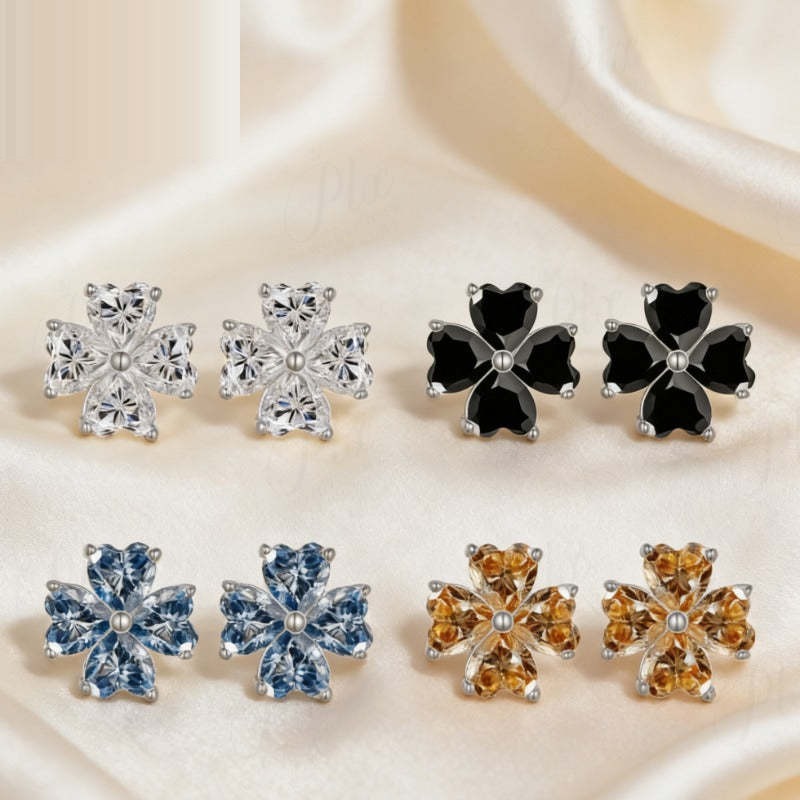
Topaz is one of those gemstones whose reputation has been shaped more by treatment than by nature. Walk into a mall kiosk and the "blue topaz" in the display is a brilliant, almost electric blue that nature almost never produces on its own. Walk into a fine jewelry showroom and the "imperial topaz" in the case is a warm sherry-orange stone that nature produces only in one small part of Brazil. Same mineral, dramatically different stories. Once you know what you are looking at, the price tags suddenly make sense. Here is how to tell them apart and what each is worth.
What natural topaz actually looks like
In rough, topaz is most often colorless, pale gray, or very light brown. The mineral is aluminum silicate with fluorine or hydroxyl, and it forms large, clean crystals, which is why cut topaz is so often eye-clean. Natural pink topaz gets its color from trace chromium, and natural sherry-to-orange "imperial" topaz comes from Brazil's Ouro Preto region. Natural blue topaz does occur, but it is rare, usually pale, and barely seen in commercial jewelry.
How the blue you know is made
Virtually all the blue topaz sold today starts as colorless rough. Two treatment paths are common. The older route uses irradiation followed by gentle heat to turn the stone a sky or Swiss blue. The modern route produces the deeper "London blue" with different irradiation dosages. Because the rough is cheap and abundant, treated blue topaz is inexpensive and is almost always sold openly as treated. The color is considered stable and permanent under normal wear, though prolonged intense heat can fade it. When you buy blue topaz, you are buying a treated stone — there is no stigma attached, but you should not pay untreated prices for it.
Pink and imperial topaz
Imperial topaz is the premium tier: sherry, orange, or pinkish-orange material from Ouro Preto, often with a pink "tea rose" edge. Fine imperial topaz is rare, and prices climb quickly in stones over a few carats. Some pink topaz on the market is actually made by heat-treating the natural brownish topaz from the same region; that conversion is stable and generally disclosed, but it is not the same as naturally pink material.
Durability and everyday wear
Topaz is 8 on the Mohs scale, which makes it suitable for rings — but it has a notoriously easy basal cleavage. A sharp knock on a hard surface can split a topaz along that plane, the way it can split a moonstone. Good cutters set the table away from the cleavage direction and use protective settings, but an un-mounted topaz banged against a counter is taking a real risk. For rings, bezel or half-bezel settings are smarter than exposed prongs. For earrings and pendants, topaz is trouble-free, because the stone rarely takes the kind of direct impact that opens a cleavage plane.
Care instructions that matter
Treated blue topaz is safe in most ultrasonic cleaners, but we avoid steam and avoid harsh chemical dips on any colored topaz, especially pink material that has been heat-stabilized. Warm soapy water with a soft brush is the safe default. Store topaz away from diamonds and sapphires, which can scratch it despite its 8 Mohs rating. If your ring takes a hard knock and the stone suddenly looks "etched" or has a crack inside, that is likely cleavage — bring it in before the stone falls out.
Topaz in jewelry design
Because treated blue topaz is affordable in large sizes, it has become a go-to stone for statement pendants and earrings where a big blue block reads as couture. A 10-carat oval Swiss blue topaz set in yellow gold looks expensive but costs a fraction of an equivalent sapphire, which is why we use it in a great deal of custom design work. For engagement rings, topaz is less common, and we usually steer clients toward a harder stone; but for a right-hand ring or a special-occasion pendant, blue topaz is hard to beat for the money. Imperial topaz, by contrast, is reserved for collectors and for clients who specifically want the November birthstone in its natural warm tone.
What to pay
Treated sky and Swiss blue topaz are among the most affordable colored gems per carat, which makes them popular in statement jewelry. London blue runs a little higher. Natural pink and imperial topaz are in a different bracket entirely and are priced by color intensity, clarity, and origin. When we design a piece around topaz, we usually steer ring clients toward the blues for value and everyday wear, and reserve imperial topaz for pendants or earrings where a cleavage risk matters less.
If you are weighing topaz against other November stones, our birthstone-by-month guide and our look at colored gemstone buying basics will help you compare color, durability, and price before you commit.
Carat weight conventions cited here follow the Wikipedia entry on carat weight.
Frequently Asked Questions
How do I verify a factory before placing a bulk order?
Request a production video, business license, export records and a paid sample run. A factory that accepts a 50-piece test order is usually a real manufacturer.
What payment terms do you offer?
30% T/T deposit with the balance against the bill of lading. This protects both sides on first orders and can move to net terms after a track record.
What is your normal reject rate?
3–5% under 10x loupe inspection for cast and set pieces. Defective units are replaced free in the next shipment.
Where is the factory located?
Wuzhou, Guangxi, China—the core lab-grown and moissanite manufacturing cluster. Shipments go via Guangzhou or Shenzhen ports.


