A customer walked into a boutique with a channel-set wedding band and asked to size it up half a size. The associate put it on a stretcher, heard a faint tick, and sent it to us. By the time it arrived, one channel tooth had cracked and two side stones were loose. The store lost the sale and the customer lost trust. Ring sizing is the most routine repair a bench does, and it is also the one most often done on the wrong ring. We have a clear rule for when to resize in-house and when to refer out. Here it is.
When stretching works
A plain, solid-shank band with no stones, no engraving and no inlays can be stretched up or pressed down by half a size on a rolling mill. That is the fast, cheap repair most people mean when they say resize. It works because the shank is uniform metal and the bench can move it without distorting anything attached to it. Anything attached to the shank changes the math. We cover the basic stretch-versus-cut decision in our sizing methods guide and the up-versus-down limits in up and down sizing ranges.
When we refer out
Channel and pavé bands
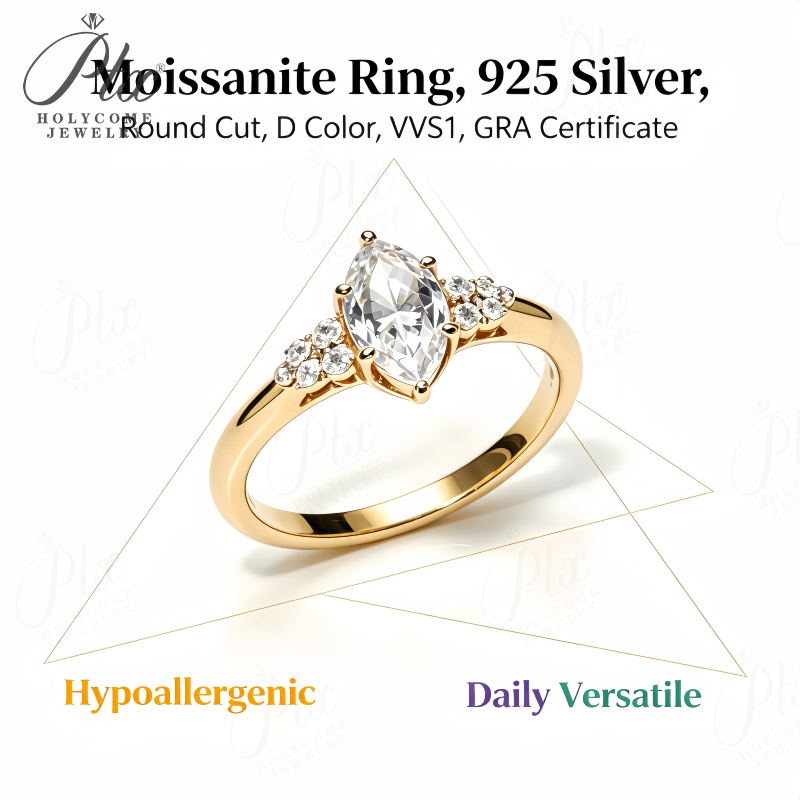
Stretching a channel-set band pulls the channel teeth together and cracks them. Pavé settings shift on a stretcher and stones become loose. These bands need a cut, add a piece of matching shank, and re-solder. We do that in-house for one size up or down, but beyond two sizes we refer to a specialist who can rebuild the shank without disturbing the stones.
Engraved, inlay and enamel
Stretching distorts engraved lettering and cracks enamel and inlay channels. An engraved ring that needs sizing comes to us for a cut-and-add with the engraving touched up afterward; if the engraving wraps around the whole shank, we refer to an engraving specialist so the pattern continues seamlessly.
Antique and ornate shanks
Filigree, gallery rails and heavy ornamentation on the shank cannot be rolled without bending. We refer these to a bench that works in hand with a saw and solder, not a mill.
| Ring type | Stretch in-house? | Cut-and-add in-house? | Refer out? |
|---|---|---|---|
| Plain band | Up to 0.5 size | Yes | No |
| Channel set | No | 1 size up/down | Beyond 2 sizes |
| Engraved wrap | No | Limited | Usually yes |
| Antique filigree | No | No | Always |
We also document the limit cases in when not to resize at all and the shank-weld alternative in weld versus remake. Brands shipping jewelry into the US should align sizing disclosures with the FTC Jewelry Guides, which require honest representation of what a repair does to the piece.
How we tell our wholesale clients to triage
We give boutique partners a one-page triage card: plain band, stretch it; channel or pavé, send to us; engraved wrap or filigree, refer. The card lists our 5-business-day turnaround and the per-piece price. This stops the associate from reaching for the stretcher on the wrong ring and stops the boutique from absorbing repair costs they never budgeted. We also accept RMA lots from our wholesale brands and return sized rings with a before-and-after gauge photo.
What we tell customers to ask before buying
A ring that will need resizing later should be bought with its sizing future in mind. We tell brands to ask customers two questions at the sale: do you expect to resize within two years, and is the band plain or set? If both answers point to a plain band, sizing is cheap. If the band is channel-set or engraved, we recommend choosing a stable size now and treating future sizing as a specialist repair. That conversation at the point of sale removes most of the resize surprises we see come back through our RMA.
Frequently Asked Questions
How much can a plain band be stretched?
Half a size up or down safely. Beyond that, the shank work-hardens and risks cracking. We cut and add for anything larger.
Does resizing damage the plating?
Yes, almost always. The heat and the mill work scuff the plate. We replate after sizing and include it in the repair price for plated pieces.
Can my storefront do this itself?
Plain bands, yes. Channel, pavé, engraved and filigree rings should go to a bench. The triage card tells your staff which is which.
How long does a cut-and-add resize take?
5 business days in our shop, including replating and a final QC photo. Referral pieces take 10 to 14 days because they go to a specialist bench.
What if a ring cannot be resized at all?
Tungsten, ceramic and many carbon-fiber rings cannot be resized. We tell the customer up front and offer a remake in the correct size instead of attempting the repair.
Key takeaways
- Stretch only plain solid shanks; half a size is the safe limit.
- Channel, pavé, engraved and filigree rings go to cut-and-add or referral.
- Replate after every resize; plating does not survive heat or milling.
Next step: send us your repair RMA lot and we will triage each ring in-house or refer it with a clear quote before work starts. Custom manufacturing and repair services open at 10 pieces per batch, with before-and-after gauge photos on every returned ring.
Our product descriptions follow the disclosure requirements of the FTC Guides for the Jewelry, Precious Metals and Pewter Industries (16 CFR Part 23).


