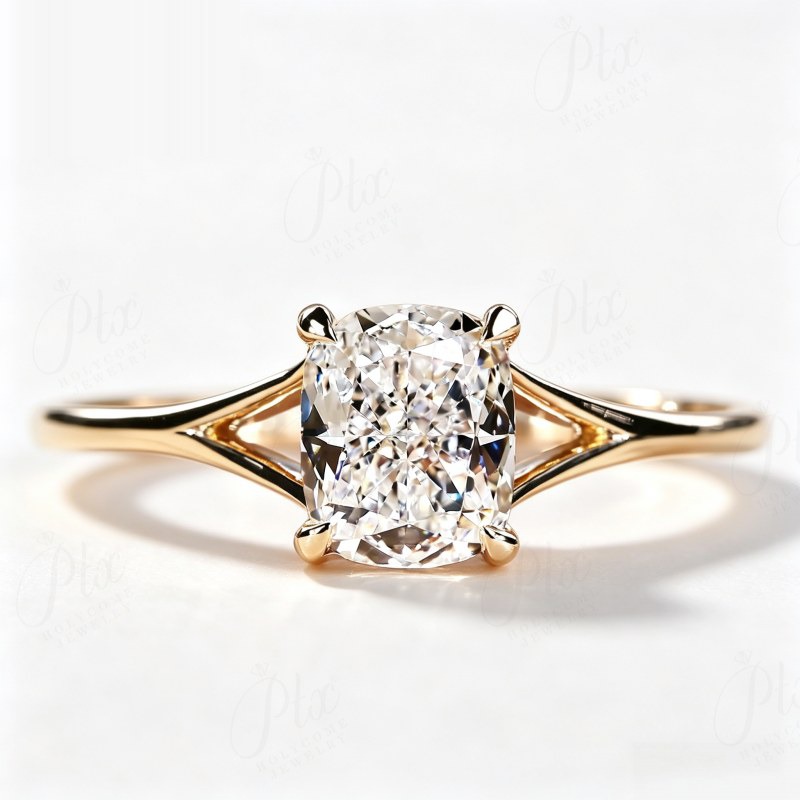
A customer bought a rhodium-plated sterling silver bridal set from us and, two years later, asked why the ring finger looked gray while the matching set from another supplier still looked white. The difference was 0.3 microns. We had plated to a 0.5 micron wear spec; the competitor had plated to 0.15 micron. On a daily-wear ring, that gap is the difference between a finish that lasts and one that wears through in six months.
What rhodium thickness actually controls
Rhodium plating is a thin, hard, bright white layer electro-deposited over sterling silver or white gold. It does two jobs: it covers the slightly gray tone of 925 silver, and it adds a hard, tarnish-resistant surface. The layer is measured in microns (thousandths of a millimeter). Thicker rhodium costs more per piece because rhodium is one of the most expensive plating metals, but it also survives abrasion longer. The bath itself needs control, which is why we maintain the process as detailed in rhodium plating bath maintenance.
Common thickness specs and where they fit
- 0.1-0.2 microns: fashion and one-season pieces, short retail life. Acceptable for necklaces and earrings that do not rub against hands.
- 0.3-0.5 microns: our default for bridal rings, wedding bands and daily-wear silver. This is the spec that survived two years of wear in the example above.
- 1.0 micron and above: heavy-use pieces, men's bands, high-contact settings. Costs meaningfully more but dramatically extends the finish life.
We compare the trade-off in electroplating thickness and wear life, and the renewal cycle in how often rhodium should be renewed. On consumer-facing claims, the FTC Jewelry Guides govern how you describe plated versus solid metal, so the spec on your PO also protects your marketing language.
Why thicker is not always better
Push past 1 micron on soft sterling and the rhodium can build up at corners and high points, hiding prongs and dulling crisp edges. Too-thick plating also chips when the underlying silver flexes, because rhodium is brittle. The right thickness matches the wear surface, not the price point. Earrings never need 1.0 micron; a wedding band does. We also check that the underlying metal is correctly prepared; poor polish under a thin rhodium shows every scratch. That prep is the same step we cover in final high-shine polishing steps before plating.
How we verify the thickness on every batch
We do not quote a micron and hope. With each plating batch we run a test coupon of the same alloy, plated in the same barrel at the same time, and measure it with a thickness gauge before the good parts are packed. The reading goes into the job folder. If the coupon reads 0.3 micron on a 0.5 micron spec, we re-run the batch rather than ship it thin. We also track the bath age, because a rhodium bath that has plated a lot of parts drops in metal concentration and gives thinner coats at the same amperage. Bath replenishment logs sit next to the thickness coupons so we can see the trend over time. For buyers, this means the "rhodium" on your purchase order is a measured number, not a marketing word. We also keep the underlying metal prep consistent: a poorly polished shank shows every scratch through a thin rhodium, which is why we run the same finishing sequence before every plating job. For necklaces and earrings that rarely rub against hands, a 0.2 micron coat is plenty and keeps the unit cost down; for wedding bands, men's rings and rings worn on active hands, we quote 0.5 micron as the baseline. The difference shows up at the six-month mark, when the thin coat starts to show silver tone under the prongs while the thick coat still reads white. We document which spec each order runs on the job sheet so a reorder matches the first sample, and we include the thickness coupon reading in the QC pack.
FAQ
How do I write rhodium thickness on a purchase order?
State it in microns, e.g. "0.5 micron minimum rhodium over polished sterling, per piece." We then verify with a thickness test coupon run in the same batch.
Does rhodium thickness change the color?
Slightly. Thicker plating reads brighter white; very thin plating lets the underlying silver tone show through, which can look warm.
Can I replate over existing rhodium?
Yes, but we strip and polish first. Plating over worn rhodium gives an uneven layer that peels sooner.
Is rhodium plating nickel-safe?
Rhodium itself is inert, but the nickel barrier under it is a separate layer. For EU skin-contact sales we use a nickel-free strike and document it against REACH limits.
Specify the wear life you want, not just "rhodium." Ask our plating team to recommend a thickness for your product line — we quote micron-level plating on every custom order.
Rhodium plating, which gives white gold jewellery its bright finish, is covered in the Wikipedia article on rhodium.


