If your white gold ring looks faintly yellow after a year, you are not imagining it. White gold is not naturally white. It is an alloy of gold mixed with white metals like nickel or palladium, and the result is usually a soft, warm gray rather than the bright mirror finish you bought. The bright white you fell in love with is a thin layer of rhodium plated over the top. That layer wears. This is not a defect. It is how the metal works, and once you understand it, the maintenance becomes simple and predictable.
What Rhodium Actually Is
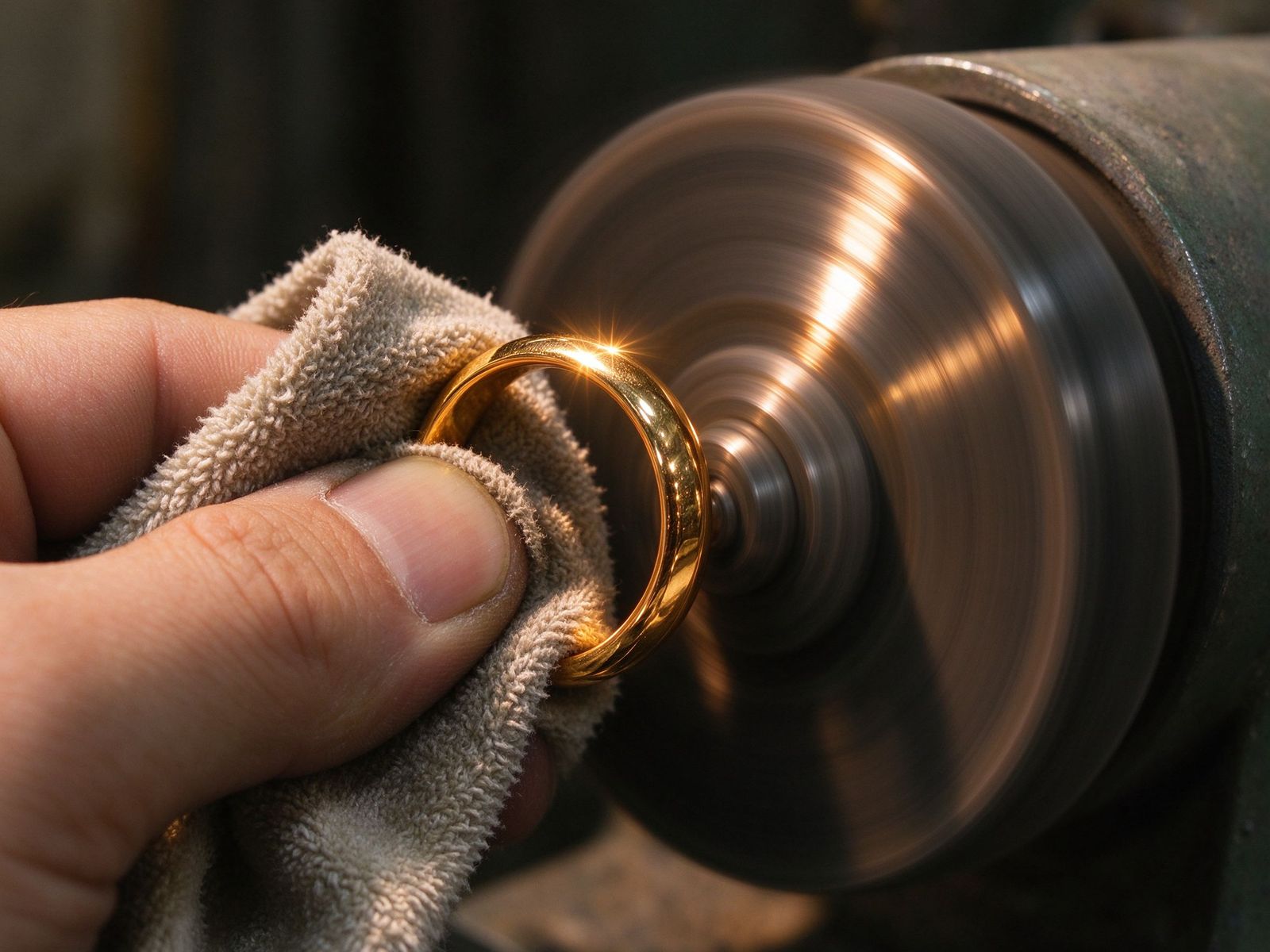
Rhodium is a platinum-group metal, one of the whitest and rarest elements on the periodic table. It is also extraordinarily hard, which is why it makes such a good surface finish. Plated thinly over white gold, it gives the ring a brilliant, mirror-white surface that resists scratches far better than the underlying gold. The trade-off is that rhodium plating is measured in microns. It is not a thick coat; it is a thin skin, and everyday wear gradually rubs it away. Where the ring contacts skin, soap, lotion, and surfaces, the rhodium thins first, and the warm gold underneath begins to show through.
How Often Should You Re-Plate
For a daily-worn white gold engagement ring, every one to two years is the normal rhythm. Rings that are worn constantly, washed hands with soap, and exposed to lotion will need it closer to twelve months. Rings that are worn occasionally, or taken off at night, can go two years. The tell is visual: when the prongs, the inside of the shank, or the high points of the band start to read yellow or gray rather than bright white, it is time. Do not wait until the whole ring looks warm. By then the plating is gone everywhere, and the re-plate takes longer because we have to fully polish and prep the surface first.
- Daily-worn white gold solitaire: re-plate every 12 to 18 months.
- Occasionally worn white gold: re-plate every 2 to 3 years.
- Yellow or rose gold: no rhodium needed, ever.
- Platinum: no rhodium needed; it patinas on its own.
What Speeds Up Rhodium Wear
Some things accelerate plating fade more than others. Chlorine is the big one. Hot tubs, pools, and cleaning products with chlorine attack the plating and the underlying gold. Perfume and hairspray sprayed near the ring leave a film that dulls the finish. Lotion and hand cream, applied constantly, wear the surface faster. Sweat, especially in summer, accelerates chemical wear. None of these are reasons to stop wearing your ring. They are reasons to take the ring off when you are swimming, spraying, or cleaning, and to wash it with mild soap when you are done.
What Re-Plating Actually Involves
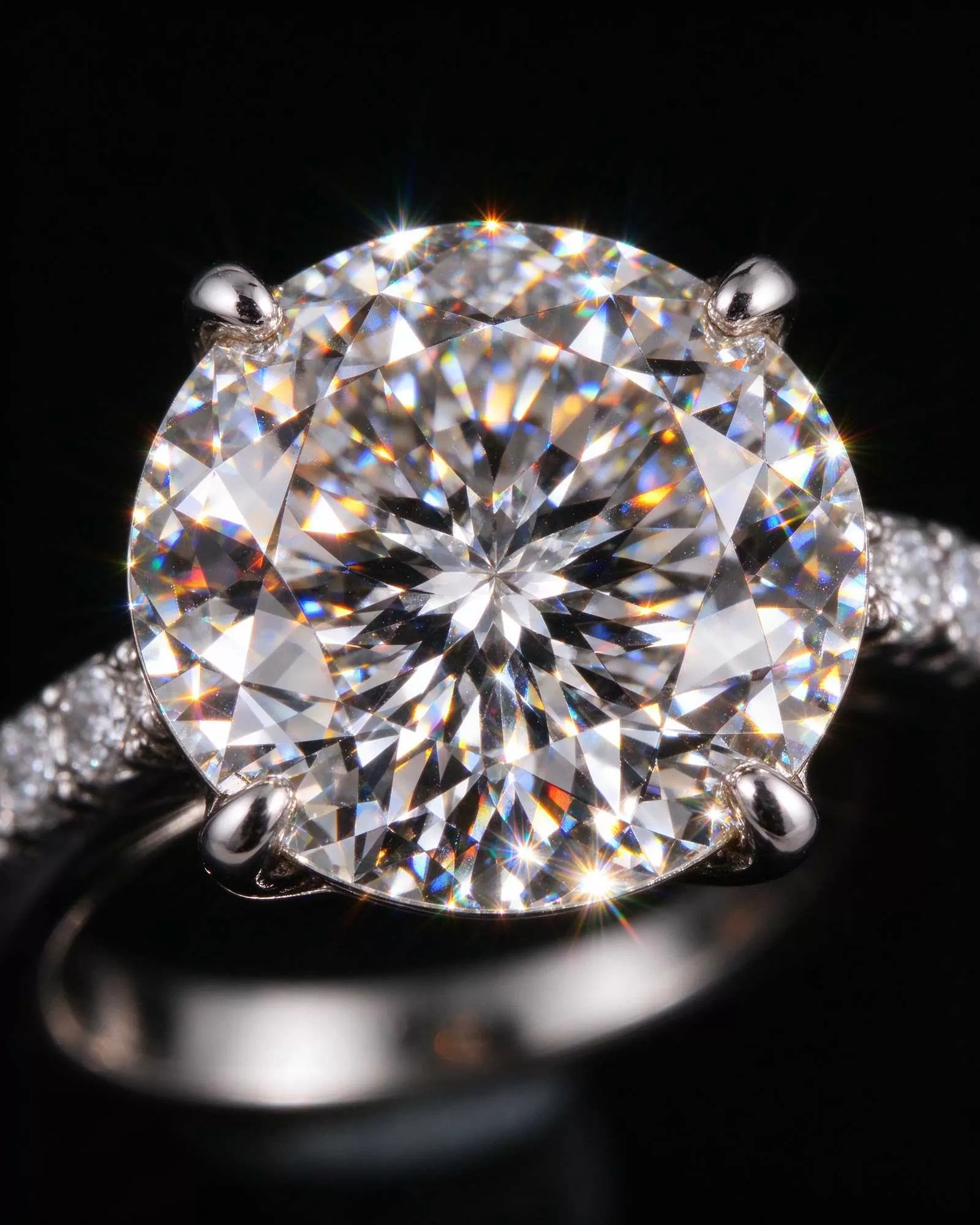
When a ring comes in for a re-plate, we do not just dip it. We clean it thoroughly, polish the high points lightly, inspect every prong and stone, and then electroplate a fresh rhodium layer in our plating bath. The whole job is usually one to two working days. The stones are safe; diamonds, moissanite, and sapphires handle the process fine. Delicate stones like pearls, emeralds, and opals are not plated, and we remove them if necessary. The ring comes back bright, white, and even, and the clock resets on the maintenance cycle.
Does Re-Plating Wear the Ring Thin
No. Unlike polishing, which removes a microscopic layer of metal, plating adds a layer. The thin polish we do before plating removes almost nothing. Re-plating every couple of years for decades is not going to damage the ring. What does damage the ring is aggressive buffing every few months at a chain kiosk. We hand-finish only, and we never rush a polish. A re-plate from us is a light touch, not a rebuild.
Is Platinum Easier Than White Gold
Clients often ask this. Platinum does not need rhodium, but it does patina. Over years, platinum develops a soft, matte surface rather than a mirror shine. Some people love that patina; others want the bright mirror look back, which requires a polish. So platinum trades rhodium maintenance for polish maintenance. Neither metal is zero-maintenance. Choose the metal you like the look of, not the one you think will require less work. Both require a small amount of care, and both reward it.
What We Tell Clients At Pickup
When you collect a freshly plated ring, we give you the same three rules. Take it off to shower. Take it off to swim. Take it off to clean. That alone doubles the life of the plating. Wash it with mild soap once a month. Come back in a year or two for a check. That is the whole maintenance schedule. It is not complicated, and it is not expensive. White gold is a lovely, affordable metal. It just needs the same small attention any fine jewelry deserves.
What Causes the Yellow Tinge
When rhodium wears, it does not wear evenly. It wears first on the parts of the ring that touch things: the top of the prongs, the inside of the shank, the high points of a pavé band. Those areas go yellow first because that is where the skin and soap do the work. The low points, under the prongs and in the gallery, stay white longer. This is why a ring that looks fine from across a table looks patchy up close. The patch is normal. It is the rhodium wearing off in exactly the places you would expect. It is not a sign of poor craftsmanship. It is a sign the ring is being worn, which is what it is for.
Can You Clean Rhodium at Home
Yes, gently. Warm water, mild soap, and a soft toothbrush are fine on rhodium-plated jewelry. Avoid abrasive cleaners, baking soda, and dips designed for silver, which can strip the plating. Do not use a polishing cloth designed for silver on a rhodium ring; those cloths are mildly abrasive and will thin the plating faster. If the ring looks dull, wash it. If after washing it still looks yellow, the plating is gone and it is time for a re-dip, not a harder clean. There is no home trick to bring rhodium back. The only fix is the bench.
Rhodium on Colored Gold
Sometimes clients ask whether we can plate yellow gold white. We can, but we advise against it. The plating will wear off in a few months and you will be left with a patchy ring. If you want white, choose white gold or platinum. If you want yellow, wear yellow gold. Rhodium is a finish for white gold, not a way to change the color of a piece. We will say this honestly when someone asks. It is not the job they want, but it is the right answer.
How Long Does a Re-Plate Take
One to two working days. We clean, inspect, plate, and finish. The ring goes into the plating bath, comes out, is rinsed, dried, and checked under magnification. We will rush it if you need it for an event, but we prefer not to. Rushing a plating job is how a stone gets overlooked. If you tell us the deadline, we will build the schedule around it. Most clients drop the ring off on a Monday and collect it on a Wednesday. That rhythm works, and it leaves us time to do the inspection properly.
Does Plating Wear Off the Inside of the Band
Yes, faster than the outside, because the inside touches skin constantly. The inside of the shank is the first place the gold shows through. This is normal and expected. It does not mean the ring is low quality. It means the plating is doing its job on the outside and wearing through where it contacts skin. When you re-plate, the whole ring gets dipped, inside and out, so it comes back uniform again. If only the inside is worn, you can wait until the outside catches up. There is no need to re-plate for a yellow inside alone.
Does Rhodium Make the Ring Harder
Yes, which is part of the appeal. Rhodium is harder than gold, so a plated ring resists scratches better than bare white gold. But the plating is thin, and once it wears through, the underlying gold scratches at its own rate. This is why a two-year-old ring that was never re-plated looks more scratched than a ring that was. The bare gold scratches. The plated surface does not. Keeping the plating fresh is also keeping the surface protected. It is not just cosmetic. It is structural.
What We Tell Clients Who Hate Yellow Gold
If you truly cannot stand the warm gold showing through, platinum is the honest answer. Platinum is naturally white, does not need plating, and ages to a soft patina rather than a yellow tinge. It costs more up front, but over decades you skip the re-plating cycle. We have had clients come to us frustrated that their white gold keeps going yellow, and after an honest conversation, several chose platinum for their next piece. Neither is wrong. Match the metal to how much maintenance you want. If you want zero plating appointments, choose platinum.
The Cost of Re-Plating Over a Decade
Do the math. A re-plate every eighteen months is about seven visits over ten years. Each is modest. Over a decade, the total is a fraction of the cost of a new ring. Compare that to platinum, which costs more up front but skips the plating cycle. Both are reasonable. The question is whether you prefer a higher initial cost with no appointments, or a lower initial cost with a brief bench visit every year and a half. There is no wrong answer. There is only the answer that matches how you want to live with the ring.
Frequently Asked Questions
Can I shower with white gold
Yes, but soap builds film. Rinse the ring after. Take it off if you use heavy hair products.
Does chlorine really damage plating
Yes. Pools and hot tubs are the fastest way to fade plating. Take the ring off.
Is rhodium plating toxic
No. It is inert once plated and worn. Sensitivities are almost always to the underlying alloy, not the rhodium.
At the end of the day, rhodium is a finish, not a feature. It is the bright white that draws the eye on day one. Treat it like the surface it is: refresh it when it dulls, protect it from chemicals, and it will keep looking the way you remember. White gold is a lovely, affordable, wearable metal. It just wants a little attention every year and a half. Give it that, and the ring stays brilliant for decades.
Closing Thought
Rhodium fading is not a crisis. It is a schedule. Put the re-plate on your calendar, take the ring off for chemicals, and the bright white finish stays exactly the way you remember it. When the time comes, bring it in. We will have it back on your hand in a couple of days, looking like the day you said yes.