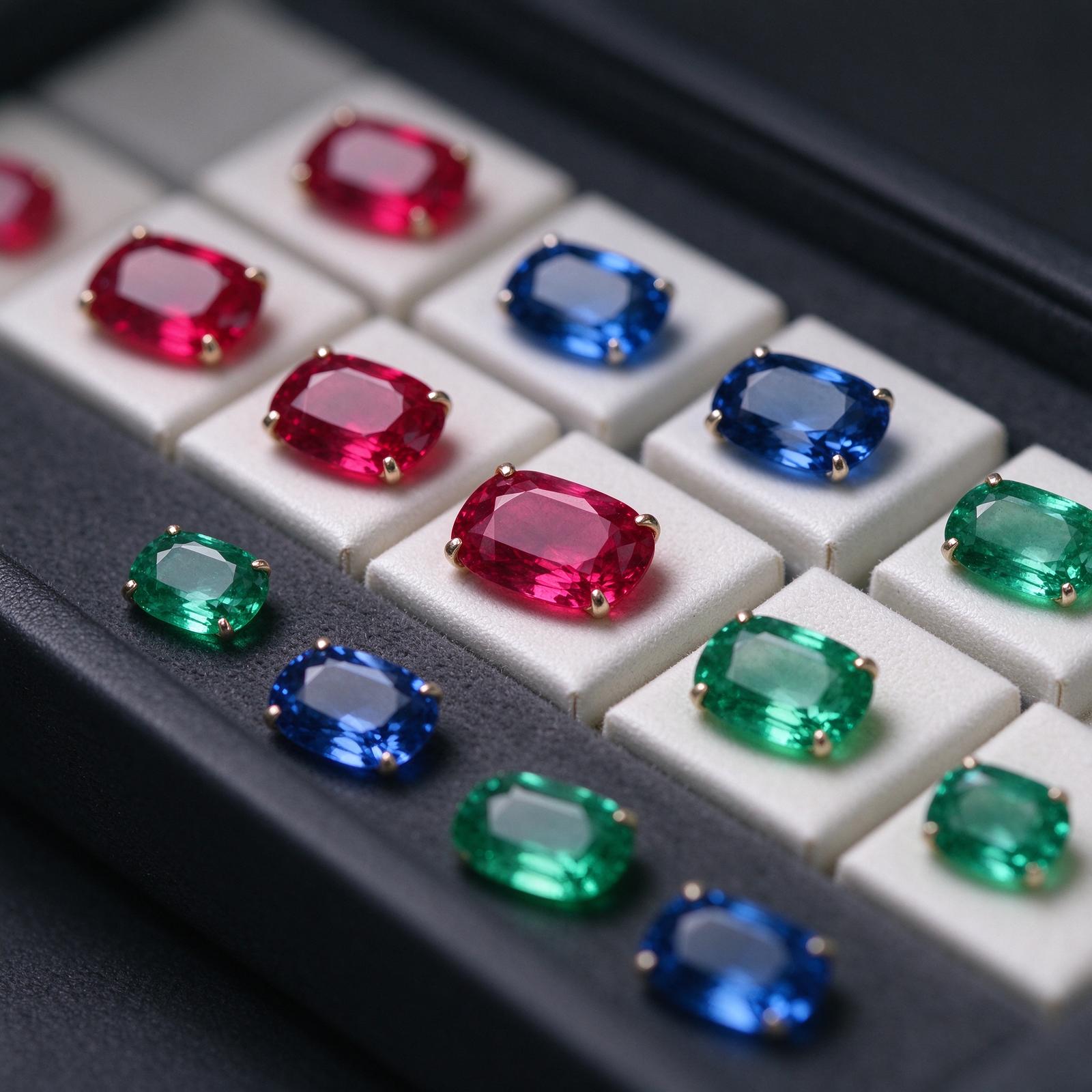
This is the question we answer every week. Moissanite or lab grown diamond? People come in holding one of each on their phone, asking which is the right choice. There is no universal answer. There is the answer for your hand, your budget, and your taste. This is our honest verdict after setting both, side by side, for years. We sell both. We are not pushing one. We are telling you the truth about how each one looks, feels, and wears.
What They Actually Are
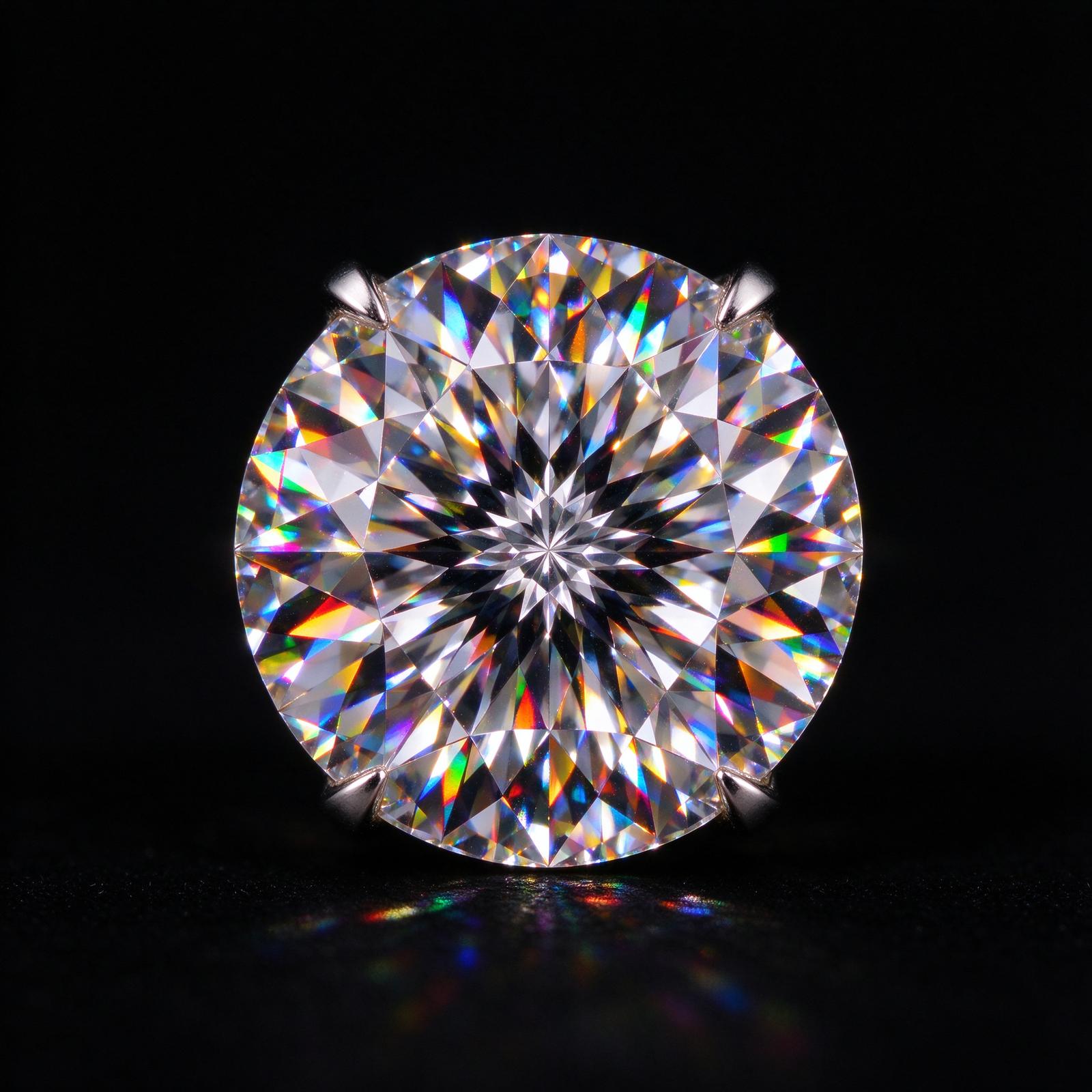
A lab grown diamond is, chemically and optically, a diamond. It has the same hardness, the same light behavior, the same fire as a mined diamond. It grew in a chamber over weeks instead of a billion years in the earth. A moissanite is a different material: silicon carbide. It is brilliant, lighter, and has more rainbow fire than a diamond. It is not a diamond simulant in the old cubic zirconia sense. It is its own gem, with its own look. The question is not which is better. It is which look you want.
How They Look, Side by Side
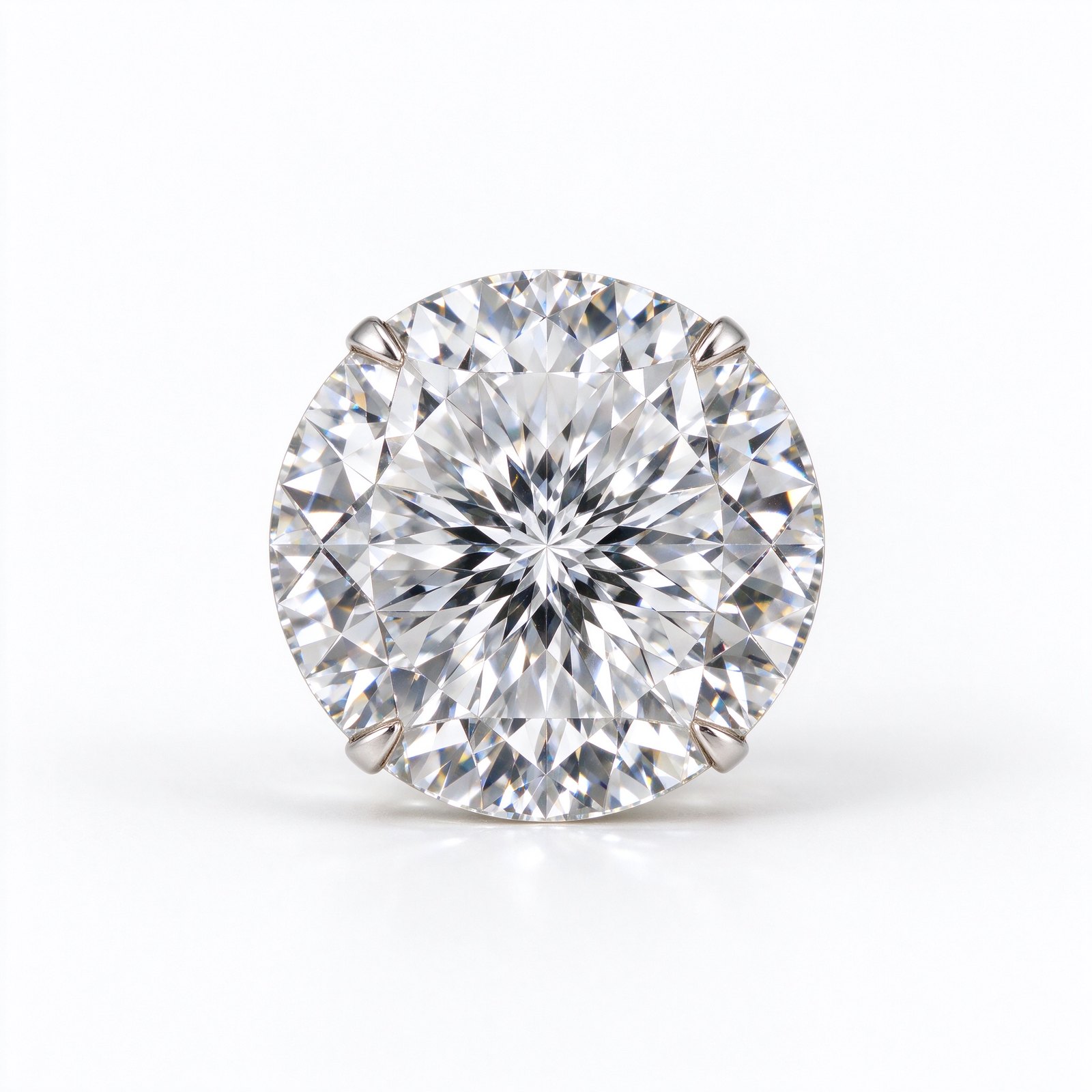
In a solitaire, in daylight, most people cannot tell a lab grown diamond from a mined one. They can, however, tell moissanite. Moissanite is brighter, with more rainbow flashes. It is not worse. It is different. If you want the classic, quiet diamond look, choose lab grown. If you want maximum sparkle and presence, choose moissanite. We show clients both in our window, in daylight. The look test settles it faster than any argument.
- Lab grown diamond: classic, quiet, diamond-like.
- Moissanite: brighter, more rainbow fire, lighter weight.
- Choose by look, not by which is "real."
Hardness and Everyday Wear
Diamond is the hardest known natural material, a ten on the Mohs scale. Lab grown diamond is the same. Moissanite comes in at about nine and a quarter, still very hard, but not quite diamond. For a daily-worn engagement ring, both are durable. Moissanite can be scratched by a diamond, which matters if you stack rings. It can also be knocked more easily than a diamond. But for a solitaire worn daily, moissanite holds up beautifully for years. It is not fragile. It is just not diamond-hard.
Price, Honestly
Here is where moissanite wins. A one-carat moissanite costs a fraction of a one-carat lab grown diamond. A two-carat moissanite is affordable. A two-carat lab grown diamond is a serious purchase. If presence and size matter more than diamond-ness, moissanite lets you buy a much bigger stone for the same money. If you want the diamond experience, lab grown is still far cheaper than mined. Both beat mined on price. The question is how much diamond you need.
Resale and Long Term
Neither holds resale value like a mined diamond, because neither is rare. Lab grown diamonds have a secondary market, but it is thin. Moissanite is not resold; it is kept or reset. We tell clients this. If you are buying for resale, you are buying the wrong thing. Buy for wearing. Buy for the hand. The ring is not an investment. It is a piece of jewelry you will love for years. That is the right reason to buy either one.
Which We Recommend, By Lifestyle
If you work with your hands, stack rings, or want zero maintenance, choose lab grown diamond. It is harder and more forgiving. If you want maximum sparkle on a budget and love the brighter look, choose moissanite. If you are unsure, see both in daylight. The stone that catches your eye across the room is the stone for you. We will set whichever you choose, in a setting built to last.
The Science Behind the Sparkle
The difference in look comes from refractive index. Diamond bends light at about 2.42. Moissanite bends it at about 2.65, which means more light disperses into rainbow color. That is why moissanite looks brighter and more firey. It is not a flaw. It is the material. Some people love the extra rainbow. Some find it too much. This is why we show stones in daylight, not under store lights. The store light flatters both. Daylight shows you which one you actually live with.
Pricing Logic in 2026
Lab grown diamond prices have fallen steadily as production scaled. A one-carat lab grown diamond that cost a few thousand dollars three years ago costs less today. Moissanite has always been affordable and remains so. The price gap between a one-carat lab diamond and a one-carat moissanite is now smaller than it used to be, but still real. If you are choosing between them, the decision is increasingly about look, not budget. Both are reachable. Pick the stone you want to look at for fifty years.
Who Should Choose Which
Choose lab grown diamond if you want the classic diamond look, if you stack rings, if you work with your hands, or if you want the peace of mind of maximum hardness. Choose moissanite if you want maximum sparkle, if you want a larger stone on a smaller budget, or if you simply prefer the brighter look. There is no wrong answer. There is only the answer that matches your hand and your taste. We set both beautifully. The setting is the same. The stone is the choice.
What Clients Ask Us
Can you tell moissanite from diamond by eye
Trained eyes, yes. Untrained eyes, usually no, side by side in a solitaire.
Does moissanite cloud over time
No. It is stable. It just needs the same cleaning as any stone.
Which holds value better
Neither holds like a mined diamond. Buy for wearing, not resale.
How Each Stone Ages
Diamond does not change. A diamond set today will look the same in fifty years, short of a chip. Moissanite also does not change, but its surface can be scratched by a diamond if you stack rings. Neither yellows, neither clouds. Both need the same cleaning. The long-term difference is not in the stone but in how it wears against other jewelry. If you wear a wedding band next to the engagement ring, and the band has diamonds, the moissanite can get micro-scratched over decades. A lab grown diamond will not. This is a small difference, but for some clients it decides the call.
The Ethical Conversation
Both stones are ethical by modern standards. Lab grown diamonds are not mined. Moissanite is lab created. Neither involves artisanal mining concerns. If ethical sourcing matters to you, both clear the bar. The difference is marketing, not ethics. We do not sell either stone as the "ethical" choice over the other. They are both ethical. Choose based on look and feel.
What We Tell Undecided Clients
If you cannot decide, see both in daylight. Hold both in a setting. The stone that makes you lean in is the one. Do not decide from a website. Do not decide from a price list. Decide from the light. A stone you love in the showroom is a stone you will love on your hand. A stone you chose for the price may leave you wondering later. Spend the afternoon. Bring the question. We will set both in a temporary mount so you can compare.
The Color Question
Moissanite often has a slight warm tint, especially in larger stones. Lab grown diamonds can be ordered in near-colorless grades. If you want a perfectly white stone, lab grown diamond is the safer call. If you love a slightly warm, lively stone, moissanite tint is part of its character. We show clients both in different light. The tint that bothers one client is invisible to another. Choose the stone that looks white to you, not white on paper.
Sizing and Resale
Both stones can be re-set. If you outgrow the setting or want a new look, the stone comes out and goes into a new mount. This is true for both. Resale is thin for both, because neither is rare. Buy the stone you want to wear. When you eventually reset, the stone has value as a stone, not as an investment. That is the honest framing.
The Wedding Band Question
If you plan to stack a wedding band next to the engagement ring, the stone choice matters. A diamond on a solitaire next to a diamond band will not scratch. A moissanite next to a diamond band can micro-scratch over decades. This is a small effect, but for clients who stack daily, it is a reason to lean diamond. If you do not stack, or the band is plain metal, moissanite is fine. Tell us your stacking plans when you choose. We will build the set to work together.
What Happens If You Want to Upgrade Later
Both stones can be upgraded. A moissanite can be re-set into a new setting, or replaced with a larger one. A lab diamond can be upgraded to a bigger stone. The setting is reusable. This is one advantage of buying a setting you love: the stone can change without the setting going. We have re-set moissanite into diamond settings and vice versa. The ring evolves with you. That is the point of bespoke.
The Story We Tell Clients Who Cannot Decide
We tell them about the couple who chose moissanite on a budget and loved it for five years, then upgraded to a lab diamond when they could. The ring, the setting, the story, all stayed. The stone changed. That is the beauty of the choice: it is not forever. You can start with what you can afford and upgrade later. The setting you love is still there. Buy the ring you can say yes to today. You can evolve the stone later if you want. No choice is permanent. That takes the pressure off.
The Bottom Line for 2026
After years of setting both, our honest verdict is this: if budget allows, and you want the classic diamond look, choose lab grown. If you want maximum sparkle and presence, or you want a larger stone on a sensible budget, choose moissanite. Both are beautiful. Both are ethical. Both are set beautifully by our bench. The only wrong choice is the one you make from a blog instead of from the light. Come see both. The stone that catches your eye is the stone for you. We will set whichever you choose in a head that lasts. The stone is the choice. The setting is ours to protect.
Common Questions We Hear
Will a jeweler be able to tell? Most jewelers, yes, with a tester. It is not a secret. We are honest about what we set. Will it last? Yes, moissanite is harder than sapphire. Will it look fake? No, in a good cut, it looks like a very bright diamond. Will it yellow over time? No, it is stable. Will my insurance cover it? Yes, once it is appraised. The short answer to every worry we hear is that both stones are legitimate, durable, and beautiful. The only question is which one your eye prefers. Ask us anything. We will not steer you to the more expensive stone if the cheaper one is right for you.
When you walk into the bench, we will lay both stones side by side in the same mounting. You will see the difference in the same light, on the same hand. That is the test that matters. The numbers on paper are secondary. The way the stone catches the afternoon sun through our workshop window is the whole answer. Take your time. Try both. The right one will feel obvious. We have done this side-by-side a hundred times. The client almost always knows within a minute. Trust your eye. It is better at this than any spreadsheet.
Closing Thought
Moissanite is not a compromise. It is a choice. Lab grown diamond is not a fake. It is a diamond, grown faster. The right stone is the one that makes you stop in the light, not the one a blog tells you is better. Come see both. Wear both in a setting. Then decide with your eyes, not your ears.