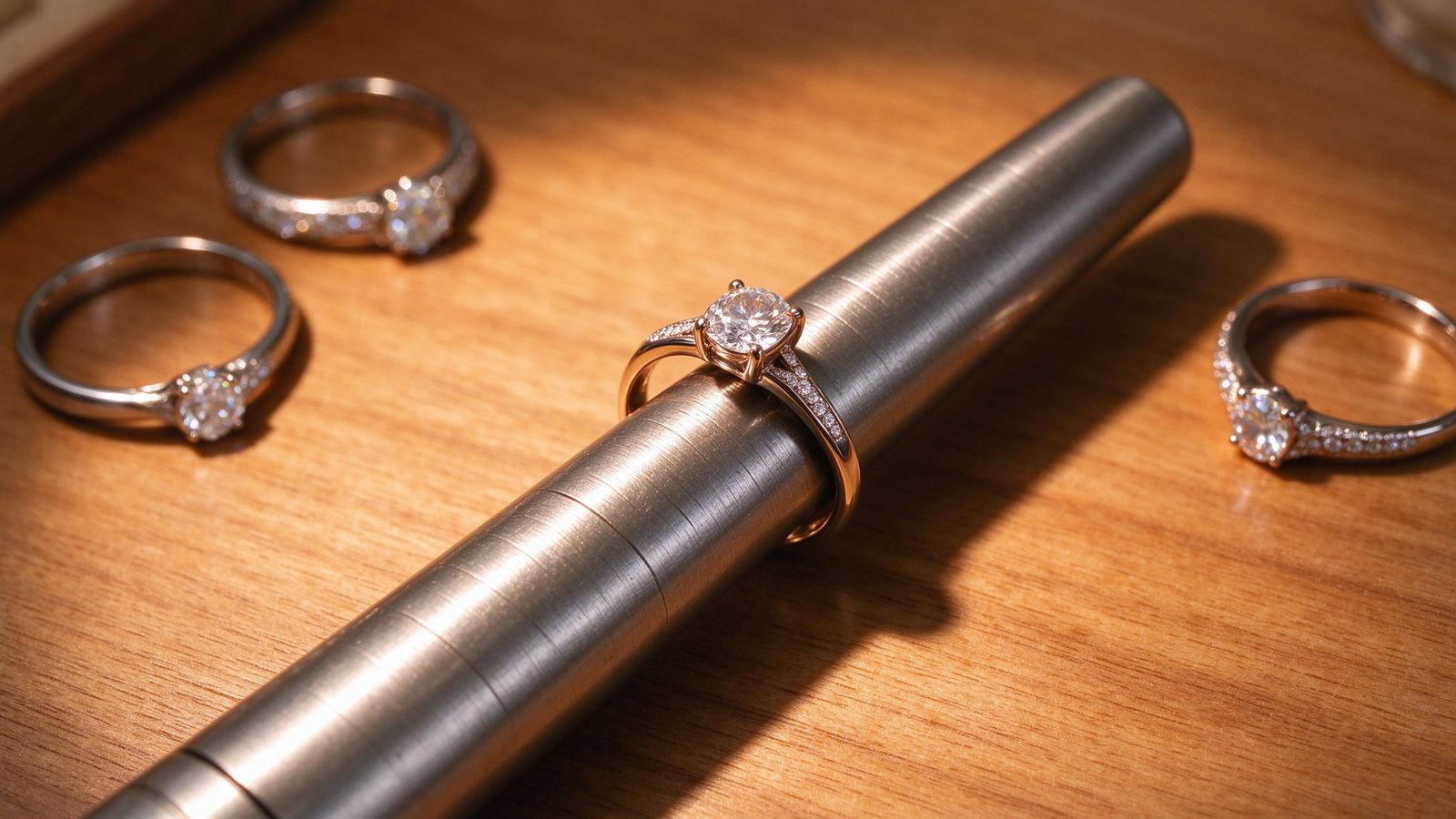
How to Clean Diamonds at Home: The Complete Step-by-Step Guide
A diamond is the hardest natural substance on earth, but it is also one of the greasiest. Because diamond is naturally hydrophobic, skin oils, hand lotion, soap residue, and kitchen grease cling to its surface and form a thin film that blocks light. That film is why a diamond that looked fiery in the store can look dull and gray on your finger after a few weeks of wear. The good news is that restoring that brilliance does not require an expensive trip to the jeweler. A simple at-home cleaning routine removes the oil film and brings the sparkle back in minutes.
This guide walks through the exact method professional jewelers use, the tools you need, the common mistakes that scratch or damage settings, and how often you should clean each piece. Follow these steps and your diamond will look as luminous as the day you bought it, without risking the prongs, the metal, or the stones around the center.
Why Diamonds Get Dull
Diamonds repel water but attract oil, which is a quirk of their surface chemistry. When you apply hand cream, wash dishes, or even just sweat during the day, an invisible oily layer builds up across the facet surfaces. Light enters a clean diamond, bounces around the pavilion, and exits as brilliance and fire. When oil coats the facets, the light scatters and leaks out instead, and the stone looks lifeless. This dullness is not permanent and it is not a flaw in the stone, it is simply built-up grime that washing removes.
The setting traps grime as much as the stone. The gap under the culet, around the prongs, and between pavé stones collects lotion, dust, and soap scum over months. Even a perfectly clean center diamond can look dingy if the surrounding mounting is dirty. That is why a proper clean addresses the whole piece, not just the top of the stone. A diamond that you wear every day benefits from a light clean every two weeks, and a deep clean once a month.
Understanding this chemistry also sets expectations: no amount of professional polishing will permanently keep a diamond bright, because the dullness comes back through normal wear. Cleaning is maintenance, not a one-time event. The owners whose diamonds always look new are simply the ones who clean them regularly, not the ones who bought a better stone.
The Safe At-Home Cleaning Solution
The recommended at-home solution is warm water mixed with a small amount of mild dish soap. Avoid moisturizing soaps and antibacterial soaps with additives, because they leave their own residue. For an extra boost, professional jewelers sometimes add a tiny amount of household ammonia to the soapy water, which cuts oil more aggressively. Use roughly one part ammonia to six parts water, and never use chlorine bleach, which pits and discolours the metal settings over time.
Soak the piece for twenty to thirty minutes to let the solution soften the oil. This soaking step is more important than scrubbing, because it lets the detergent dissolve the grease rather than you trying to abrade it away. For a heavily soiled engagement ring worn daily for months, an hour-long soak will visibly lift the grime. Ensure the water is warm, not hot, because sudden temperature extremes can stress a stone, though a diamond itself is unaffected by ordinary warm tap water.
Never use products you might assume are safe. Toothpaste is abrasive and will micro-scratch the gold and platinum, and baking soda and powdered cleaners act like sandpaper. Window sprays and alcohol-based sanitizers can dull some metal finishes. The two-ingredient soap solution is enough for nearly every diamond piece, and it is gentle on both the stone and the setting.
Brushing and Rinsing Technique
After soaking, use a very soft-bristled brush. A dedicated new makeup brush, a soft baby toothbrush, or a professional jewelry brush works well. Gently brush under and around the stone, especially the area behind the pavillion where oil collects, and between the prongs. The goal is to dislodge the softened grime, not to scrub hard. Pressure is unnecessary, because the soak already did the work.
Pay attention to the prongs themselves. Old toothbrushes with hard bristles can, over time, bend a prong if you scrub aggressively, and a bent prong is a lost diamond waiting to happen. Brush in light circular motions, and get under the stone by tilting the ring. For pavé settings, brush gently along the line of small stones, because their tiny cups trap dust. A soft wooden toothpick can gently dislodge trapped debris from a prong corner without scratching metal.
Rinse thoroughly under warm running water, with the drain closed or a jewelry catch in place. This is the step where rings are lost, because a soapy ring slips easily from wet hands. Plug the drain or rinse over a glass bowl. After rinsing, pat dry with a lint-free cloth. A paper towel can leave lint, and ordinary towels can catch prongs, so a soft 100 percent cotton cloth or a professional jewelry polishing cloth is ideal.
| Step | Action | Time |
|---|---|---|
| Soak | Warm soapy water | 20-30 min |
| Brush | Soft brush under stone | 1-2 min |
| Rinse | Warm water, drain closed | 30 sec |
| Dry | Lint-free cloth | 1 min |
Ultrasonic and Steam Cleaners
Ultrasonic cleaners use high-frequency sound waves in a cleaning solution to agitate dirt out of crevices. They are excellent for solid gold and platinum diamond pieces, and they are what most jewelers use. However, they are not universally safe: the vibration can loosen stones or damage gems that have internal fractures, such as emeralds, and can dislodge treated stones. For a standard diamond in a solid setting, an ultrasonic is safe and effective, usually running three to five minutes.
Steam cleaners blast hot steam and produce a dramatic shine, and they are commonly used by jewelers for final display. At home, they carry a risk: the intense heat and pressure can, in rare cases, cause a stone with an existing internal flaw to fracture, and they can loosen prongs. They are best left to professionals who know your piece. If you use a home ultrasonic, never put emeralds, opals, pearls, or fracture-filled stones in it.
Avoid the temptation to run a dirty ring through a dishwasher. The combination of heat, harsh detergent, and mechanical spray can loosen prongs and erode soft solders, and the high temperatures can damage any gemstone that is not a diamond or sapphire. The soap-and-soak method is gentler and safer for ninety-nine percent of home cleaning.
Common Mistakes That Damage Diamonds
One mistake is wearing diamonds while cleaning, swimming, or working out. Chlorine in pools and hot tubs can, over long exposure, pit gold solder and weaken settings. Weightlifting and gardening knock rings against hard surfaces, and although a diamond cannot be scratched, it can chip if struck at exactly the right angle against another hard object, such as a counter edge. Always store a ring safely off the hand for heavy work.
Another mistake is neglecting the prongs while cleaning. A ring that looks clean but has a worn, thin, or bent prong is one bump away from losing its center stone. Every time you clean your ring, inspect the prongs with a magnifying loupe: they should be uniform, tight against the stone, and not catching on clothing. If a prong feels rough or snags a thread, the ring needs a jeweler, not another home clean. Cleaning is also the moment you notice loose stones, which is a valuable side benefit.
Finally, people often store dirty rings in a shared pouch where they scratch against other jewelry. Diamonds scratch gold, silver, and other gems, so a diamond ring should always be stored in its own compartment. A clean diamond stored loose in a box with a soft gold chain will scratch that chain before you know it.
Professional Cleaning and Inspection
Even with a perfect home routine, a professional clean and inspection once or twice a year is worth every penny. Jewelers use steam and ultrasonic equipment, check prong tightness, re-tip worn prongs, and inspect the ring for cracks in the shank. This is the service that catches a loose stone before it falls out, which is far cheaper than replacing a lost diamond.
Ask your jeweler to check the ring under magnification and to tighten any prongs that have loosened. Many stores offer this inspection and steam clean for free, even if you did not buy the ring there, as a courtesy. An annual check also lets you confirm the ring size still fits and that the shank has not thinned. Treat this like a dental checkup: small problems are easy to fix early, and expensive to fix after the stone is gone.
Between professional visits, the home soak-and-brush method keeps the ring looking its best. Owners who do this once a month rarely notice dullness, because the oil film never has time to build up. A clean diamond sparkles more than a larger dirty one, which is why maintenance is the cheapest upgrade you can give an existing ring.
Cleaning Different Diamond Settings
The way you clean a diamond depends on how it is set. A solitaire prong setting is straightforward to clean, but pavé and halo settings trap grime around many tiny stones, needing a soft brush to reach between them. Channel and bezel settings have fewer exposed prongs but still collect soap under the rim. Whatever the setting, the warm-soap method works; you simply spend more time gently brushing around the smaller stones and crevices.
For pavé bands, avoid pressing hard on the tiny beads holding each stone, because they can loosen. Use the tip of the brush to dislodge lotion rather than scrubbing. A wooden toothpick can gently clear debris from a corner without touching the metal. After cleaning, inspect the pavé under light to confirm no small stones look tilted or loose. A clean pavé ring is also easier to inspect for loose stones, which is a hidden benefit of regular cleaning.
Antique or vintage diamond settings need extra care. Delicate filigree and old prongs can be fragile, so brush gently and never soak an antique piece for hours, because old glue and settings may not tolerate prolonged water. If a vintage ring has a foil-backed stone, avoid water entirely and have a professional clean it. Knowing the setting's age and construction tells you how aggressively you can clean.
For diamonds set in colored metal, the cleaning method is the same, but remember that white gold rhodium plating can be dulled by frequent harsh chemicals. Mild soap is gentle on plating. Clean often rather than aggressively, so grime never builds up. A well-maintained setting protects both the stones and the metal finish.
When Home Cleaning Is Not Enough
Sometimes a home clean does not restore the sparkle, and that is a signal to look closer. If the diamond still looks dark after a thorough soak and brush, the cause may be a poor cut, internal cloudiness, or a loose setting, not dirt. A jeweler can tell whether the dullness is grime or inherent stone quality. Do not assume you are cleaning wrong; some stones simply do not sparkle regardless.
Also watch for stones that need professional attention during cleaning. If you notice a prong that catches on a cloth, a stone that tilts, or a crack that appears to grow, stop home cleaning and see a jeweler. Cleaning reveals problems, and that is valuable. A loose prong found during a home clean is a close call you won, because you caught it before the stone fell out.
A professional ultrasonic and steam clean reaches places a brush cannot, especially under tight pavé. Most jewelers offer this for free or a small fee, often while you wait. They will also check prongs while cleaning. Taking a ring in once or twice a year combines a professional clean with a safety inspection, which is the most protective routine of all.
Finally, do not over-clean. A monthly home soak is plenty for a daily ring. Aggressive daily scrubbing can, over years, wear thin prongs. Gentle, regular cleaning preserves both sparkle and setting. The goal is a clean ring, not a scrubbed one, and patience with soaking beats hard brushing every time.
Keeping Diamonds Bright Between Profound Washes
Between deep monthly cleans, a quick routine keeps a diamond looking its best. Wipe the ring with a jewelry polishing cloth after heavy lotion days, and rinse it after handwashing. Avoid applying creams directly over the ring, because lotion builds up under the setting. A diamond worn while cooking collects grease, so give it a quick wipe after kitchen work. These small habits prevent the oil film from ever building up to the dull, gray stage.
Remember that a clean diamond sparkles more than a dirty larger one. The cheapest upgrade to an existing ring is not a bigger stone but a clean one. Owners who clean regularly rarely notice dullness, because the film never accumulates. Make the monthly soak a habit tied to something you already do, like washing the dishes, and the ring stays luminous without effort.
Finally, inspect the prongs during every clean. A prong that catches on a cloth needs a jeweler. This combination of cleaning and inspection is the two habits that keep a diamond both brilliant and secure. Treat the ring as a small, cared-for object, and it rewards you with daily sparkle.
Frequently Asked Questions
Can I clean a diamond ring with dish soap?
Yes. Warm water with a drop of mild, non-moisturizing dish soap is the safest at-home method. Soak for 20-30 minutes, brush gently under the stone with a soft brush, rinse with the drain closed, and pat dry.
Is an ultrasonic cleaner safe for my diamond?
Yes for solid gold or platinum diamond rings, but never put emeralds, opals, pearls, or fracture-filled stones in an ultrasonic, because vibration can loosen or damage them.
Why does my diamond look cloudy despite cleaning?
A permanently cloudy diamond usually means internal cloudiness or a poor cut, not dirt. If the soap-and-brush method does not restore sparkle, have a jeweler inspect the stone and the prongs.
How often should I clean my diamond ring?
A light clean every two weeks and a deep monthly soak for daily-wear rings. Have a professional steam clean and prong inspection once or twice a year.
Can I use toothpaste to clean my diamond?
No. Toothpaste and baking soda are abrasive and will micro-scratch the gold and platinum setting. Stick to mild dish soap, which cuts oil without damaging metal.
A dull diamond is almost always a dirty diamond, and the fix is simpler than you think. Warm soapy water, a soft brush, a careful rinse, and a lint-free cloth will restore the fire in minutes, as long as you avoid bleach, toothpaste, and harsh chemicals. Make monthly cleaning a habit, inspect the prongs each time, and schedule a professional inspection annually. When you care for your diamonds this way, they keep the brilliance that first drew your eye, and they stay secure on the finger for decades of daily wear.