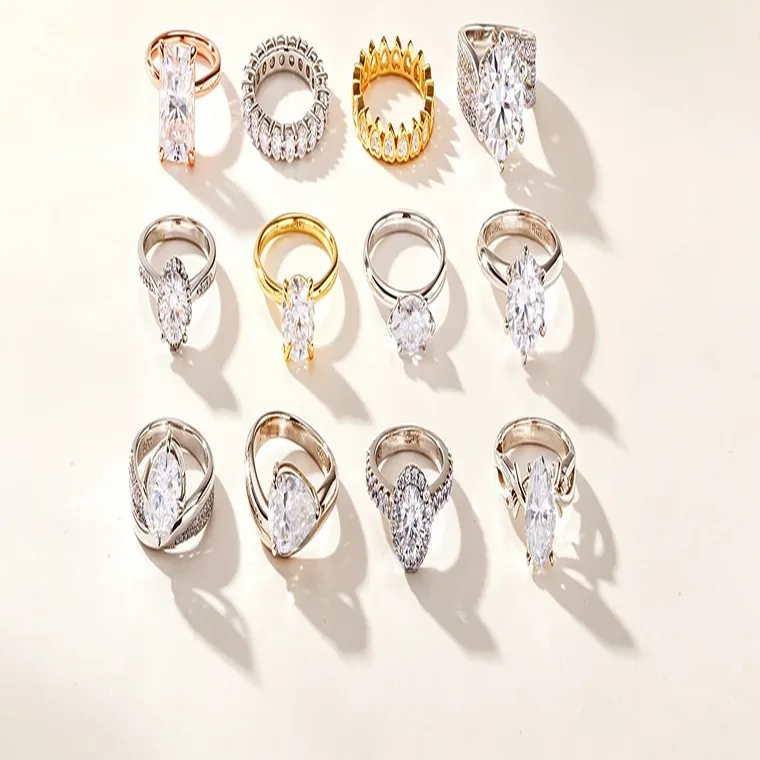
Choosing a jeweler is more like choosing a contractor than picking a brand. Two shops can quote wildly different prices for the same-looking ring, and the gap usually reflects what happens behind the counter — who actually makes the piece, how it is inspected, and what happens when a prong loosens in three years. The quote you compare is the easy part; the shop behind it is what you are really choosing.

Ask who actually makes the piece
Some shops design and manufacture in-house. Others take your order, outsource it, and resell it. Both can produce a good result, but the price, the timeline, and the repair relationship differ. Ask directly: "Is this made in your workshop, and by whom?" We walk through the economics in our guide to comparing jewelry quotes, and the "hidden cost" line items are usually the ones an out-sourced shop would rather not itemize.
Questions to bring to the bench visit
A short list separates shops quickly. Where does the metal come from, and can you see the karat stamps? How is the stone sourced, and is there a certificate? What is the realistic timeline, in writing? Do you set the stones in-house, and how do you check prongs? What does the warranty actually cover, and for how long? What happens if a stone loosens or the ring needs resizing in a year? Will you show me the piece before it is finalized, and can I approve the wax or CAD?
Look at the little things
Workmanship shows in the details that have nothing to do with the stone. Are the prongs smooth and rounded, or do they catch on fabric? Is the interior of the ring band polished comfortable, or is it rough where it touches the skin? Are the gallery rails soldered cleanly with no visible grit? These are the same points we check on our own inspection process — and a shop that takes pride in its work will happily show you under a loupe.
Trust the relationship, not just the price
A custom piece is a conversation that can run weeks. You want a shop that answers emails, explains trade-offs in plain language, and pushes back when your design choice would wear badly. If a salesperson only ever says yes, that is a warning sign, not a virtue. We wrote about what to expect in a design consultation — the right one feels collaborative, not transactional.
Understand the warranty and return terms
Ask what lifetime care is included: free prong checks, cleaning, rhodium refreshes, sizing. Read the return policy in writing — we cover the typical clauses in what return policies should say. A shop that stands behind its work for years is betting on its own bench, and that bet says more than any glossy brochure.
Buying online changes the checklist
If you are ordering remotely, the same questions apply, plus a few more: can they send photos and video of your actual stone, not a stock image? What is the resize policy after delivery? How is the piece insured in transit? We lay out the full remote-order checklist in our guide to buying jewelry online safely.
The bottom line
The cheapest quote is rarely the cheapest over the life of the ring. The right jeweler is transparent about sourcing, open about the bench, generous with the warranty, and willing to explain why a design choice may not serve you. Ask the questions, look at the details, and choose the shop you would happily call back in five years — because the best pieces are the ones you bring in for a checkup, not a refund.
A few red flags are worth naming. A shop that cannot show you the workshop or introduce the person who will make your ring is worth questioning. One that pressures a same-day decision or discounts only if you "commit now" is selling, not advising. One that quotes a price far below every other shop without explaining where the savings come from is usually cutting something you will notice later — a thinner shank, a smaller center stone, a skipped inspection. And one that cannot put the timeline and the warranty in writing is a risk, no matter how friendly the conversation. Trust the shop that is bored by your questions; they have answered them a hundred times, and they have nothing to hide.
Finally, judge the shop by how it treats a repair. If you bring in a piece you did not buy there and the staff cheerfully looks at it and gives you an honest read on whether it is worth fixing, that is the kind of place you want to make your ring. If they are dismissive or pushy about selling you something new, you have your answer. The relationship you build now is the same one you will use when the ring needs a prong tightened in twenty years. Choose it with that in mind, not just with the quote in hand.
The history and conventions of engagement rings are outlined in the Wikipedia entry on engagement rings.
Related reading: How to Choose a Jewelry Manufacturer: Questions That Separate Factorie, Moissanite vs. Lab-Grown Diamond: Which Should You Choose?, Jewelry Repair When to See a Professional Jeweler.
Frequently Asked Questions
How do I verify a factory before placing a bulk order?
Request a production video, business license, export records and a paid sample run. A factory that accepts a 50-piece test order is usually a real manufacturer.
What payment terms do you offer?
30% T/T deposit with the balance against the bill of lading. This protects both sides on first orders and can move to net terms after a track record.
What is your normal reject rate?
3–5% under 10x loupe inspection for cast and set pieces. Defective units are replaced free in the next shipment.
Where is the factory located?
Wuzhou, Guangxi, China—the core lab-grown and moissanite manufacturing cluster. Shipments go via Guangzhou or Shenzhen ports.


