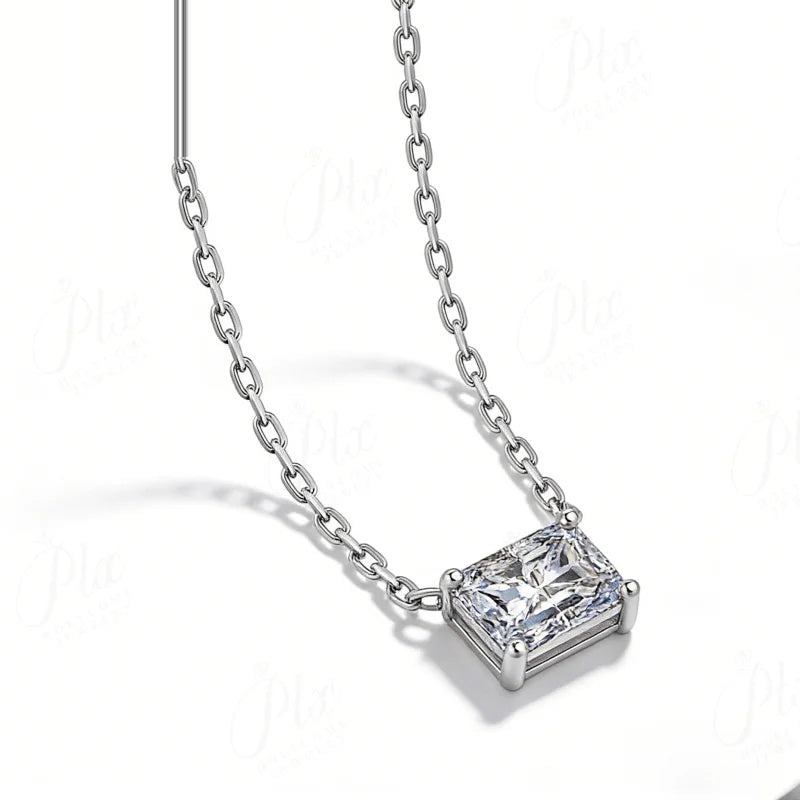
A buyer lists a necklace as 18k gold vermeil and receives it back from a third-party audit with a warning: the gold layer measures 0.5 microns, not vermeil, and the base is sterling but the underplate contains nickel. The listing has to be pulled. On the manufacturing side, this is a spec problem, not a marketing problem, and it is one we run into more often as brands scale from small-batch production to wholesale.
What the FTC Jewelry Guides actually require
The 16 CFR Part 23 Jewelry Guides define vermeil (or gold vermeil) as sterling silver (ISO 925 sterling silver standard) base with a plating of at least 10 karat gold applied to a minimum thickness of 2.5 microns (100 millionths of an inch). Below that thickness, the piece is gold-plated sterling and cannot be labeled vermeil. Gold over silver with no micron number is ambiguous; the buyer should ask for the measured thickness on the spec sheet. We put the micron measurement on every vermeil quote so the listing matches the regulatory definition.
Why nickel underplate is a separate problem
Many plating shops use a nickel underplate between the sterling and the gold, because nickel improves adhesion and smooths the surface. But nickel release triggers the EU Nickel Directive (REACH) for any piece that contacts skin, and the FTC Guides require disclosure. For brands shipping into the EU or selling hypoallergenic lines, we plate directly over sterling with a copper or silver strike, no nickel. The trade-off is that adhesion is slightly lower, so we bump the gold thickness to 3 microns to compensate. We document this in nickel free silver alloy EU REACH.
How thickness translates to wear
At 0.5 microns, gold plate wears through in 3 to 6 months on a ring or bracelet. At 2.5 microns (vermeil minimum), you get 12 to 18 months of wear before the high-contact points show silver. At 5 microns, you get 2 to 3 years. The wear pattern is predictable: the edges of a shank, the high points of a pendant, and the earring post wear first. We measure this on every run and cross-check against electroplating thickness wear. Buyers who want a piece that lasts a year on a retail customer should spec 2.5 microns minimum; buyers who want a seasonal piece can go thinner and price lower.
Why sterling base matters vs brass or copper
Vermeil is defined on sterling base. If the base is brass, copper, or alloy, the piece is gold-plated, not vermeil, regardless of thickness. We see this a lot on low-cost marketplaces: a piece that looks gold over silver but is actually gold over brass, with a thin silver flash. On a skin-contact piece, brass and copper also tarnish faster and can cause green skin. For wholesale brands that want the vermeil label, the base metal is 925 sterling, full stop. We reference rhodium plating process renewal cycle on the same line, because rhodium over sterling is plated the same way but cannot be called vermeil.
Spec line we put on every PO
Our PO line reads: Sterling 925 base, 18k yellow gold plate, 3.0 microns measured, nickel-free, copper strike underplate. That one line answers the FTC question, the REACH question, and the wear expectation. If a buyer wants a different spec, we change the line rather than guess.
FAQ: Gold vermeil over 925 silver
Is gold over silver the same as vermeil?
No. Vermeil requires 10k+ gold at 2.5 microns minimum over sterling base. Gold over silver can be any thickness and is ambiguous without the micron number.
How thick is too thick for gold plate over silver?
Above 5 microns, the plate starts to look opaque and can crack on flex. Most retail vermeil lands between 2.5 and 3.5 microns.
Does vermeil tarnish?
The gold surface itself does not tarnish, but silver can bleed through at worn edges over time, showing a dark line. That is normal wear, not a defect. We note it in rhodium vs silver dip finish 925.
Can I plate gold over a ring that already has stones?
Some stones (opal, pearl, turquoise) are damaged by plating chemistry. We set stones after plating, or mask the stone, on every vermeil run.
If you are launching a vermeil line, send us the target micron and the shipping region. Our custom manufacturing team will quote nickel-free, FTC-compliant plating and put the measured thickness on the spec sheet before the first run.
Measuring the micron thickness on the line
We measure gold plate thickness with an X-ray fluorescence (XRF) gauge at three points on every sample: the high-contact edge, a flat surface, and a hidden area. The XRF reads the gold layer non-destructively, and we record the number on the run sheet. A buyer who wants to verify the spec independently can send a piece out for cross-check; our numbers have matched lab reports within 0.2 microns on the last forty runs. That measurement is what protects a brand if a marketplace audit asks for proof.
Frequently Asked Questions
How do I prevent sterling silver from tarnishing in storage?
Use anti-tarnish bags with a sulfur absorber, keep humidity under 60% and avoid paper wrapping. Rhodium plating adds a further barrier on high-turn SKUs.
Is rhodium plating worth the added cost?
Yes for display and gift lines. It resists tarnish for 12–18 months and keeps shelf pieces bright, which reduces markdowns.
What purity do you supply?
925 sterling silver, stamped and hallmarked. Fine silver (.999) is available for beads and bullion-style pieces.
What is the MOQ and lead time?
50 pieces per design, samples 3–5 days, bulk 15–20 days.


