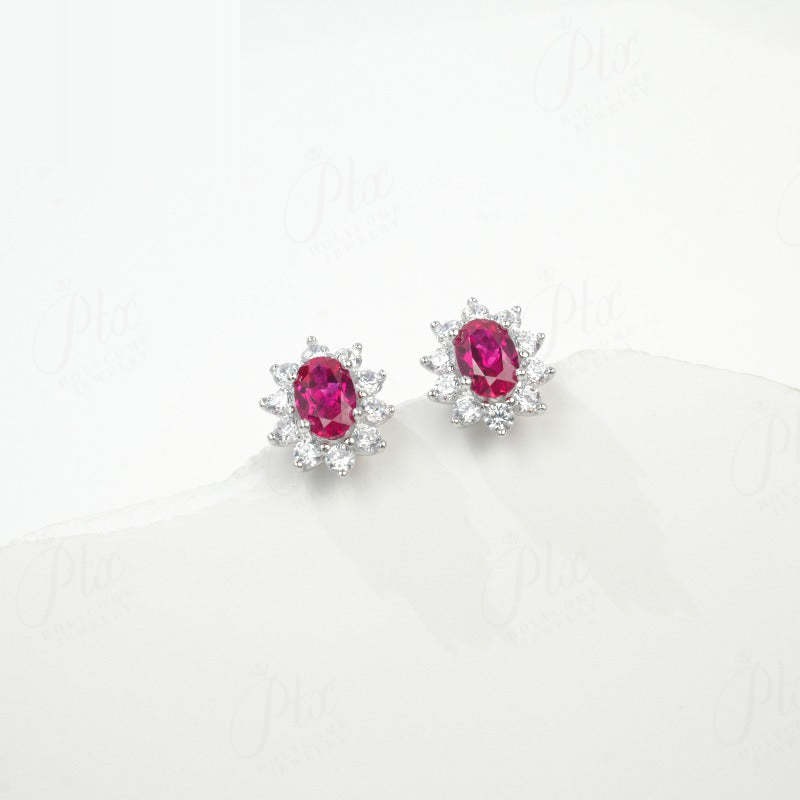
A retail buyer orders 200 silver rings, sells them, and six months later gets a handful of returns because the white rhodium finish has yellowed to the underlying sterling. The buyer assumes the factory cut corners. The factory points to the wear cycle: rhodium is a flash coat, not a permanent finish, and every retail brand selling white-silver jewelry has to tell its customers when to expect replating. Here is the plating process we run and the wear window we plan around.
The plating process in four steps
Rhodium plating on jewelry is not a single dip. First the piece is thoroughly electro-cleaned in an alkaline bath at 60°C to remove polishing compound and skin oil. Second it goes into a silver or nickel strike bath to create a bonding layer (we use a silver strike because nickel release is restricted under EU rules — see ECHA guidance on nickel). Third, the rhodium flash itself is applied at 0.1–0.5 micrometers thickness — about 100 times thinner than a human hair. Fourth the piece is rinsed, dried, and inspected under a magnifier. We never plate directly on raw sterling silver because the yellow copper in 925 bleeds through a thin rhodium layer. Plating thickness and wear are covered in electroplating thickness and wear.
Why the finish yellows
Sterling silver is 92.5 percent silver and 7.5 percent copper. Over months of wear, the copper and sulfur from skin react, and the thin rhodium layer wears off at the high-friction points — the top of a shank, the edges of a bezel. The underlying copper oxide shows through as a warm, yellow-gray cast. On a ring worn daily, that starts around 4–6 months. On earrings or pendants that rarely touch skin, the same flash lasts 12–18 months. The cadence we tell retail buyers is in how often to replate rhodium.
Wear cycle and replating math
We default to 0.25 micrometers of rhodium on silver rings for daily wear. A heavier 0.5 micrometer coat adds about 15 percent to the plating cost but stretches the first visible wear from 5 months to 9–10 months. For a retail brand, that means either budgeting a free replate at 6 months (a common service for bridal) or telling the customer to expect it. We also recommend a final hand polish before plating, because rhodium will magnify any scratch underneath — the prep step is the same one we describe in bench files and grit surface prep.
What we inspect before shipping plated goods
Every plated piece goes under a 10x loupe for color uniformity, edge coverage, and a quick tape test to check adhesion. A properly bonded rhodium layer will not peel; a rushed one lifts at the corners within days. We also weigh the piece before and after plating because the rhodium bath deposits trace amounts of silver from prior runs — a weight jump above 0.5 percent flags a dirty bath. The outgoing inspection routine is detailed in jewelry order QC checklist.
Thickness options and what they cost
We stock three rhodium thickness tiers. Cosmetic plating at 0.1–0.15 micrometers costs about US$0.40 a piece and is for fashion earrings and pendants that will not see daily wear. Standard at 0.25 micrometers is the default for silver rings at about US$0.80 a piece. Bridal grade at 0.5 micrometers runs US$1.40 a piece and is what we put on engagement and wedding rings that will be worn 12 hours a day. The thicker coat is not brighter — rhodium looks the same at any thickness — it just lasts longer between visits to the bench. We will not go above 1 micrometer because rhodium is brittle and a coat that thick chips the first time a prong is later adjusted or a stone is replaced.
How thick should rhodium be on a wedding ring?
0.25–0.5 micrometers. Below 0.1 the coat is cosmetic only and wears off in weeks.
Can I plate over yellow gold to make it white?
Yes, and that is standard for 14k white gold (which is naturally gray). But the rhodium will wear at the same rate and the piece will look yellow sooner because gold bleeds faster than silver.
Is rhodium plating hypoallergenic?
The rhodium itself is inert, but the strike layer underneath must be nickel-free for sensitive skins. We default to a silver strike for EU orders.
Does rhodium hide casting porosity?
It can mask shallow pits for a short while. We do not rely on it — porosity is fixed before plating, not covered.
Send us your plated SKU list and we will quote a replate cycle. HOLYCOME plates silver and gold jewelry in-house and offers return-to-factory replating for wholesale partners — ask about our custom manufacturing program and send your finish spec for a same-day plating quote.
Frequently Asked Questions
What gold purities and platings do you offer?
Solid 10K, 14K and 18K, plus gold-filled and vermeil. Plated fashion lines use 1–2 micron PVD over brass or 316L.
How do I avoid mislabeling gold products?
Label by construction: solid, gold-filled, vermeil or plated. Mislabeling plated as vermeil is the most common compliance complaint in this category.
Can you stamp karat marks?
Yes. Every solid-gold and vermeil piece is stamped with karat and maker marks, which supports customs and resale claims.
What is the MOQ for gold lines?
50 pieces per design for stock settings; custom CAD work starts at 100 pieces.


