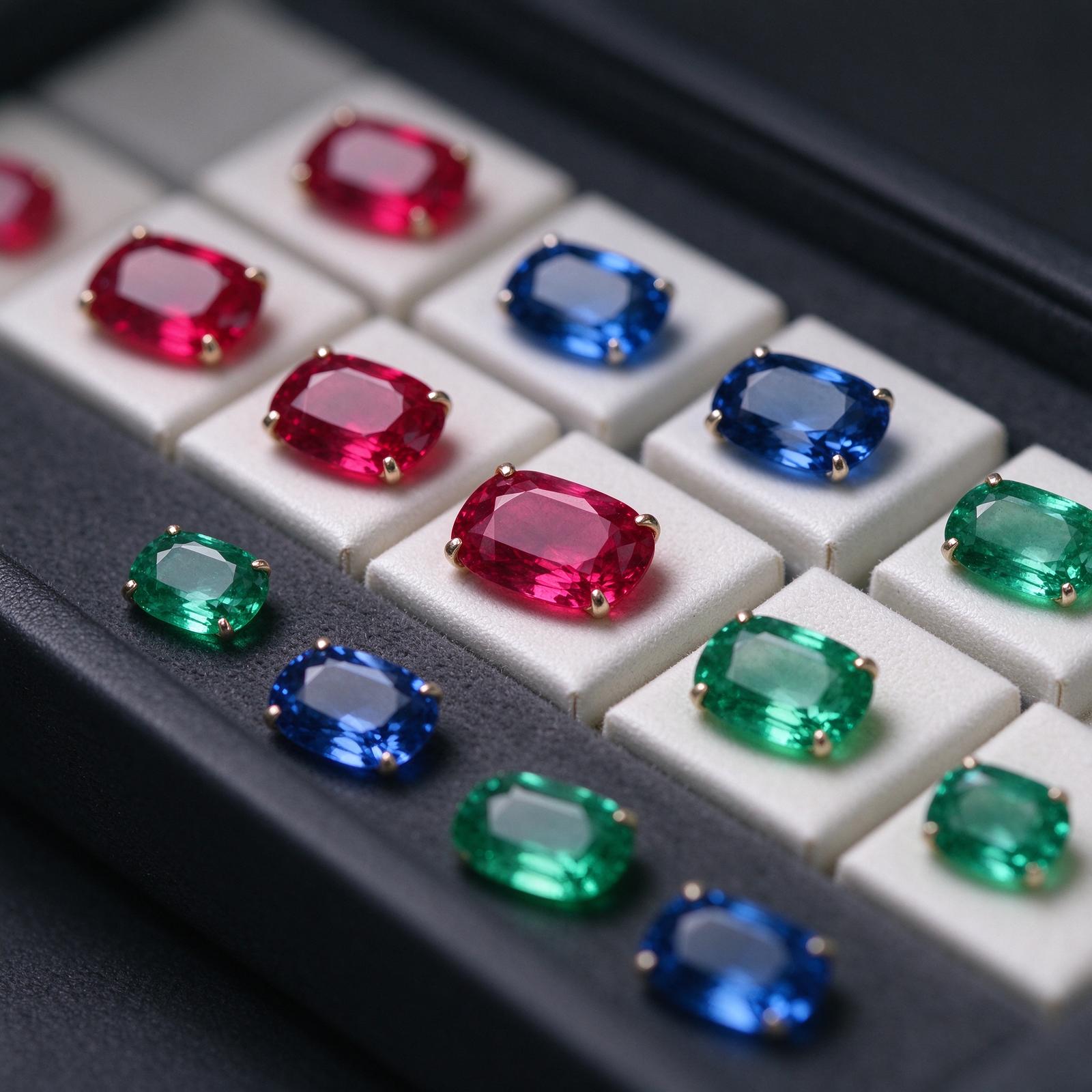
Two stones can be the same carat, same color, same clarity, and one will light up a room while the other looks dull. The difference is the cut. Not the shape, but the angles of the facets. People fixate on carat and forget that cut is the single biggest driver of sparkle. This is the optics, explained the way we explain it to clients who ask why the smaller stone looks brighter.
What a Cut Actually Does
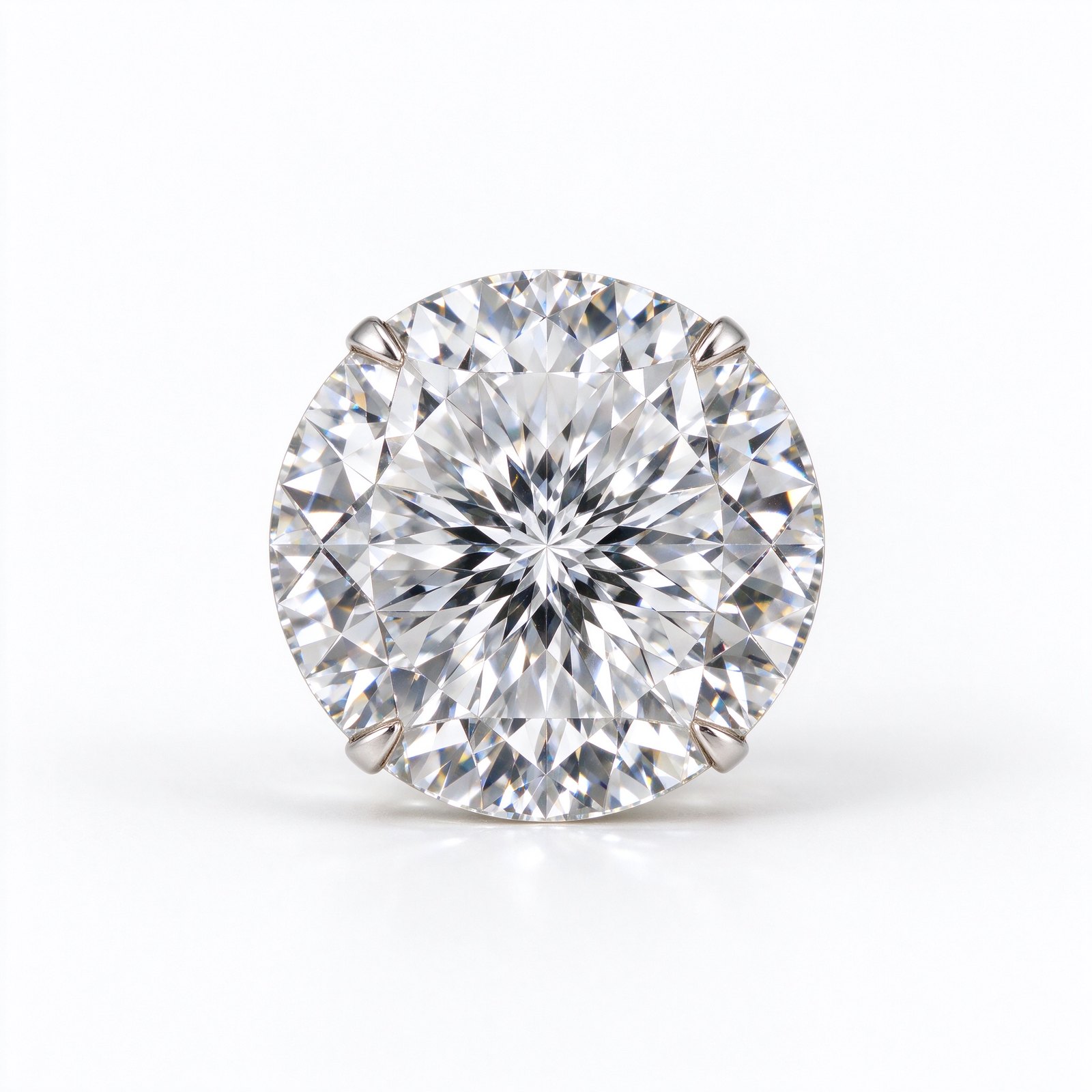
A cut is a set of precise angles on the surface of the stone. Light enters the top, bounces off the inside facets, and exits back out the top as sparkle. If the angles are right, light returns to the eye. If they are off, light leaks out the bottom or the sides, and the stone looks dark or glassy. The carat weight is the size. The cut is the optics. You can have a big stone with bad optics, and it will look dull. You can have a smaller stone with great optics, and it will glow.
The Two Main Angles That Matter
The pavilion angle, the angle of the lower half, determines whether light bounces back or leaks out the bottom. The crown angle, the angle of the top half, determines how the light disperses into color. A stone with a too-deep pavilion loses light out the bottom. A stone with a too-shallow pavilion leaks light out the sides. The ideal is a narrow band where light returns cleanly. This is why "excellent cut" grades exist. They mark the angles that return the most light.
- Good pavilion: light bounces back to the eye.
- Good crown: light disperses into fire.
- Bad angles: light leaks out, stone looks dull.
Why Smaller Excellent Beats Larger Poor
We tell clients this constantly. A 1.2 carat excellent-cut stone will out-sparkle a 1.6 carat fair-cut stone, every time. Across a dinner table, people see the sparkle, not the millimeter. The larger stone may look bigger on the bench, but on the hand, in real light, the well-cut one wins. When budget is tight, downgrade size before you downgrade cut. Cut is the feature you see every day. Size is the feature you measure.
Shape Matters Too
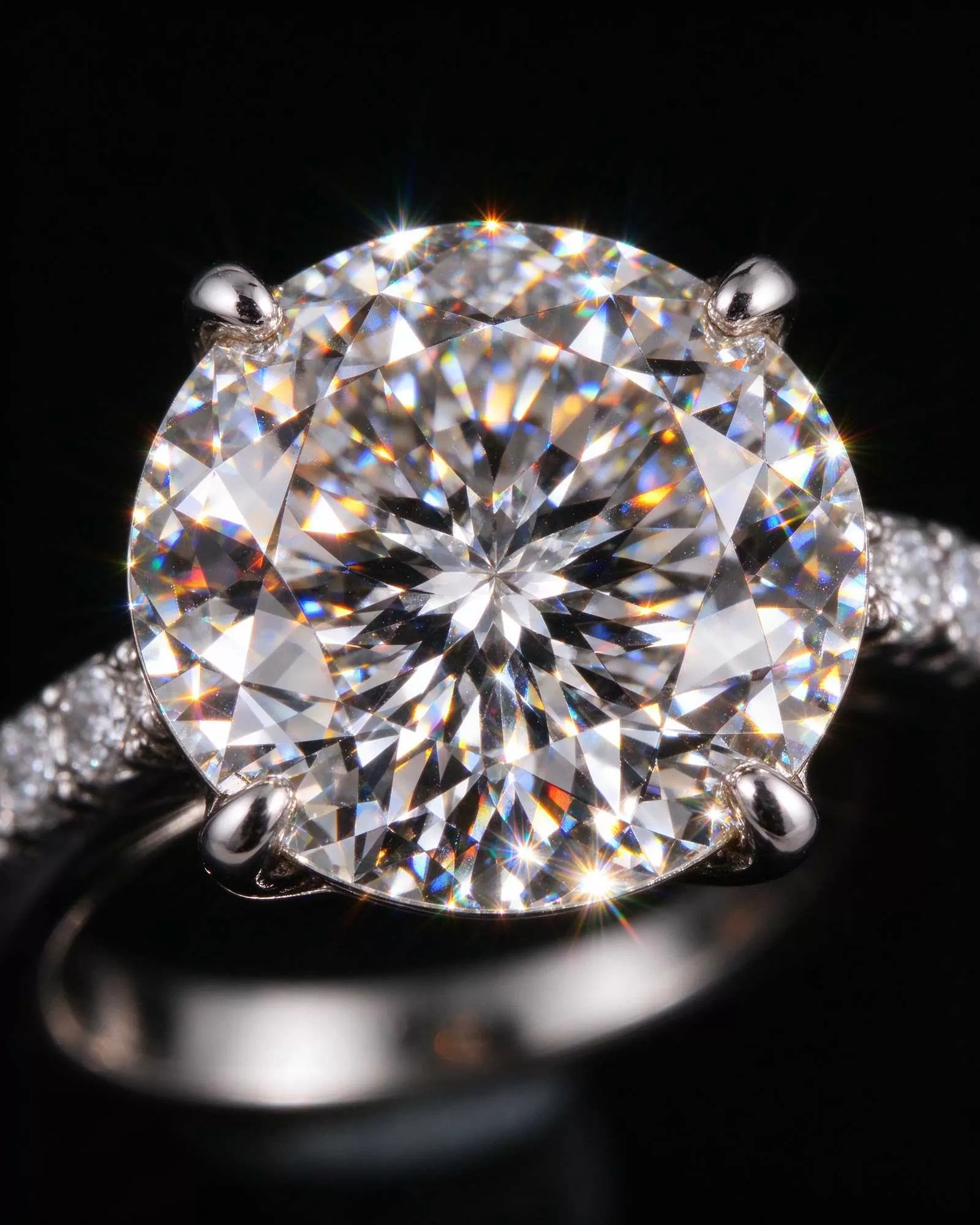
Round brilliants are cut to the tightest standards, because the symmetry is easier to control. Fancy shapes, ovals, pears, cushions, have their own beauty but vary more in cut quality. An oval can look amazing or lifeless depending on the cut. When you choose a fancy shape, pay even more attention to cut grade. The shape adds drama. The cut makes the drama shine.
What You See in Real Light
Laboratory grading measures optics under controlled light. Real life is different. A stone that looks great under a store light may look different in your kitchen. We tell clients to look at stones in natural daylight. Take the ring to the window. The stone that fires in daylight is the stone that will fire on your hand. Store lights are flattering. Daylight is honest.
The Table Percentage
The table is the large flat facet on top. Its size matters. A table that is too large looks glassy. A table that is too small looks busy. The ideal range depends on the shape, but the principle is the same: the table is the window, and the window has to be the right size for the light. Cutters tune this by eye and by measurement. When you compare two stones of the same carat, the one with the better table proportion will look brighter, even if the carat is lower.
Crown Height and Pavilion Depth
The crown is the top angle. The pavilion is the bottom angle. A too-deep pavilion leaks light out the bottom, and the stone looks dark in the center. A too-shallow pavilion leaks light out the sides, and the stone looks glassy and lifeless. The ideal is a narrow band where light enters, bounces off the pavilion facets, and returns through the crown. This is what "excellent cut" grades measure. Two stones, same carat, same color, different pavilion depth: the well-proportioned one glows, the deep one looks dead. Cut is everything.
Why Fancy Cuts Vary More
Round brilliants are cut to the tightest standards because the symmetry is mathematically controlled. Fancy shapes, ovals, pears, cushions, and emerald cuts, vary more. An oval can be cut deep or shallow. An emerald cut depends on windowing, the see-through effect. When you choose a fancy shape, cut grade matters even more. The shape adds drama. The cut decides whether that drama shines or sits flat. We show clients stones in daylight, because daylight exposes a poor cut faster than any store light.
What Clients Ask Us
Is cut grade worth paying for
Yes. Cut is the single biggest driver of sparkle. Prioritize it over carat.
Do all shapes need excellent cut
Rounds, yes. Fancies, choose the best cut you can within budget.
Why does my stone look dull at home
Usually film, not cut. Wash it. If it is still dull, bring it in.
Why We Show Stones in Daylight
Store lights are bright and directional. They flatter every stone. Daylight is honest. A stone that looks great under a store light may look flat in your kitchen. We tell clients to take the ring to the window. The stone that fires in natural light is the stone that will fire on your hand. We have had clients fall in love with a stone under the showroom lights, then hesitate when they saw it by the window. The window is the truth. Buy the stone that looks right there.
The Difference Between Cut and Shape
People confuse these. Shape is the outline: round, oval, pear, cushion. Cut is the angles of the facets. A round shape can be cut well or poorly. An oval shape can be cut well or poorly. The shape is what your eye sees from across the room. The cut is what makes it sparkle. When you choose a shape, you are choosing the silhouette. When you choose a cut grade, you are choosing the sparkle. Both matter, but cut is the one that drives brilliance.
How We Choose Stones for Clients
When a client asks us to source a stone, we look at several in daylight before we recommend one. We reject stones that look good on paper but flat in hand. We prioritize cut grade above carat. We show the client two stones side by side, often one slightly smaller but better cut. The client almost always chooses the better-cut one, even though it is smaller. That is the moment they understand what cut does. We have done this a hundred times. The lesson never gets old.
Light Return, Explained Simply
Imagine the stone as a room with mirrors. Light enters the ceiling. If the mirrors on the walls are angled right, the light bounces back out the ceiling and into your eye. If they are angled wrong, the light escapes through the floor. That is the pavilion angle. If they are angled too steep, the light bounces back too narrowly. The cut is the set of mirror angles that sends the light back to you. This is why a well-cut stone glows and a poorly cut one looks like glass. It is geometry, not magic.
The Human Eye Versus the Grading Report
A cut grade on paper is useful, but it is not the whole story. We have seen stones graded excellent that looked flat in hand. We have seen stones graded good that looked brilliant. The grading report measures angles. Your eye sees the result. When you choose a stone, trust the window test. If it fires in daylight, it is well cut. If it looks dead, it is not, no matter what the report says.
Why We Do Not Chasing Perfect Numbers
The ideal cut numbers are a range, not a single target. A pavilion angle between about forty and forty-one degrees works. A crown angle between about thirty and thirty-five works. Outside that range, the stone starts to look off. Inside it, small variations are invisible. We do not chase a perfect number. We chase a stone that looks right in daylight. The numbers guide us. The eye decides. A stone that hits the numbers but looks dead in hand is not the stone for us.
The Mounting Affects Sparkle Too
A great stone in a bad mounting can underperform. A setting that covers too much of the stone blocks light. A setting that hides the pavilion prevents light return. We design settings to let light in. A low bezel protects but can darken a stone. A high prong setting lets light flood in. When you choose a stone and a setting, they work together. A great stone in a setting that chokes it is a waste. We design the setting around the stone, not around the look alone.
Why We Measure, Then Look
We measure the angles on paper, but the final decision is always visual. A stone can have perfect numbers and still look dull if the cutter rushed the polish. A stone can have slightly off numbers and look brilliant if the cutter understood the light. Numbers are a shortcut. The eye is the judge. We show clients stones side by side, let them look, and let them choose. The numbers tell us what to shortlist. The client chooses the winner. That is how we buy stones.
The Bottom Line on Cut
Cut is the feature you see every day. Carat is the feature you measure. When budget is tight, downgrade carat before you downgrade cut. A smaller well-cut stone out-sparkles a larger poorly cut one, every time. Choose the stone that fires in daylight, trust your eyes over the numbers, and prioritize cut. The size gets noticed once. The sparkle gets noticed every time the light hits. That is the quiet truth of buying a stone, and it is the lesson we teach every client who walks in.
Common Questions About Cut
What cut sparkles most? Round, generally. What if I love an oval? Oval can be brilliant if well cut. Does depth matter? Yes, too deep or too shallow kills return. Does the setting hide bad cut? No, it only helps a good stone. Should I buy the biggest or the best cut? The best cut, every time. Can a cut be too good? No, but it can be too expensive. Balance. We shortlist stones in your budget that cut well. The eye does the rest. Trust the window test. If it fires indoors under a lamp, it will fire in daylight.
A poorly cut stone will always look a little flat, no matter the lighting. A well-cut stone will always look alive, even in dim rooms. When you choose a stone, walk outside with it. Hold it up to the sky. That is the moment of truth. If it dances, buy it. If it sits there like a piece of glass, walk away. The cut is the feature you cannot change later. The carat you can upgrade. The cut you choose is the cut you live with.
We have laid out two stones that looked identical on the sheet, one well cut and one not. Under the loupe, the angles were close. In the window, the difference was unmistakable. One fired like a sparkler. The other sat like a button. The client chose the sparkler every time, even though it was smaller. Trust that instinct. The numbers will tell you what to shortlist. The light will tell you what to buy.
Closing Thought
Cut is the quiet hero of the ring. It is the reason a smaller stone out-shines a bigger one. When you choose a stone, prioritize cut over carat. The size gets noticed once. The sparkle gets noticed every time the light hits. We set stones we have seen in daylight. If it does not fire in the window, we do not recommend it.