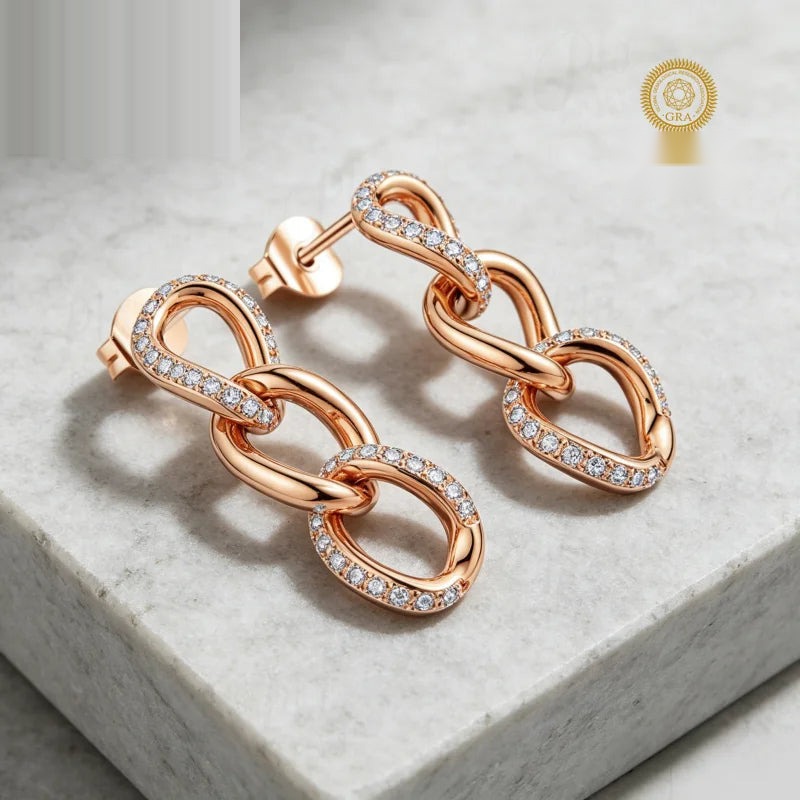
A brand brought us a 30-piece pendant order cast in sterling silver. The first flask came out clean. The third flask, run on the same schedule, showed a faint black ash line around every bail. The wax was the same, the investment was the same, the casting temp was the same. The only difference: the third flask sat in the kiln overnight and the team had bumped the top hold up by 50C to "make sure." That single change taught us again that burnout time and temperature are coupled, not two knobs you turn independently.
Why burnout time and temperature are set together
Burnout does two jobs at once. It evaporates the free water in the investment, and it thermally decomposes the wax or resin pattern so almost nothing remains but a thin carbon ash. If you go too hot too fast, steam pressure cracks the investment. If you end too cool or too short, residual carbon stays behind and prints as a rough, pitted surface on the casting. The two numbers that matter are the final hold temperature and the time spent soaking at that temperature, and they trade off against each other.
Our standard schedule for injected carved wax in phosphate-bonded investment ramps at roughly 1C per minute to 300C, holds 30 minutes to drive off water, then ramps at 2C per minute to 650-700C and holds 60-90 minutes. The flask then drops to casting temperature (around 550C for silver) before we pull it. That curve is built on the same investment principles you see referenced in the lost-wax casting overview on Wikipedia.
Typical hold points by metal
Sterling silver casts at a lower temperature than gold, so the flask usually enters the casting machine cooler. A too-hot flask (above 600C) on thin silver work raises gas porosity and surface roughness. Yellow 10K-14K gold tolerates a hotter flask and benefits from a longer final hold because the metal flows into finer detail. Brass and bronze want the longest burnout of the three, because the alloy is less fluid and the casting temperature is highest.
- Sterling 925: burnout peak 650C, hold 60 min, cast at 540-560C.
- 14K yellow gold: peak 700C, hold 90 min, cast at 590-610C.
- Brass/bronze: peak 730C, hold 120 min, cast hot.
When the wax comes out clean but the surface still looks dusty, the usual culprit is an under-soaked flask, not a bad batch of investment. Pair this with our notes on investment powder-to-water ratio and vacuum mixing and flask cooling and divesting after casting, because a burnout problem often shows up two steps downstream.
3D-printed wax changes the hold, not the peak
Resin-based 3D-printed patterns (the kind we run for high-resolution wax fit work) leave more ash than injected carved wax. The fix is not a hotter kiln. It is a longer low-temperature hold around 300-350C so the resin decomposes gradually, plus a slightly longer final soak. Cranking the peak to 800C just weakens the investment and raises the chance of a flask cracking mid-cast. We also vent flasks with printed trees more generously; see how sprue design on large stones affects where gases escape.
Common burnout mistakes we see on the line
The first mistake is a too-fast ramp below 300C, which blows apart investment that still holds water and shows up as a cracked flask when it goes into the casting machine. The second is pulling the flask the moment it hits target temperature, before the soak has actually begun; the outside of the investment is up to temperature while the core around the tree is still cool. We keep a thermocouple in a sacrificial flask on the shelf of the kiln so we read the real temperature inside, not the oven sensor on the wall. The third mistake is a kiln loaded unevenly: flasks touching the back wall run hotter and flasks near the door run cooler. We leave a hand's-width between flasks and rotate positions each cycle. On 3D-printed trees we also vent the crucible hole a touch larger, because resin burnout releases gas that has to escape through the investment rather than blowing it apart.
FAQ
How do I know burnout is actually complete?
Break a test sprue after divesting. The investment inside should be clean white or pale buff, with no brown or black residue. Any darkening means the hold was too short or too cool.
Can I save time by raising the temperature instead of holding longer?
Not on silver. Higher temperature accelerates burnout but also degrades the investment surface and raises porosity. Extend the hold 15 minutes before you touch the peak.
Why does one flask come out clean and the next one ash-stained?
Usually the kiln is uneven or the flask sat too close to a heating element. Rotate flask positions between cycles and verify with a thermocouple probe, not the kiln's setpoint.
Does flask size change the schedule?
Yes. A wide, dense tree holds heat and wax longer; add 15-20 minutes to the low-temp water-removal hold. A thin single ring needs less.
Want a foundry that logs every flask's ramp and hold in your job folder? Talk to our custom jewelry manufacturing team about your next casting run — we share burnout curves with buyers so repeat orders land identical every time.


