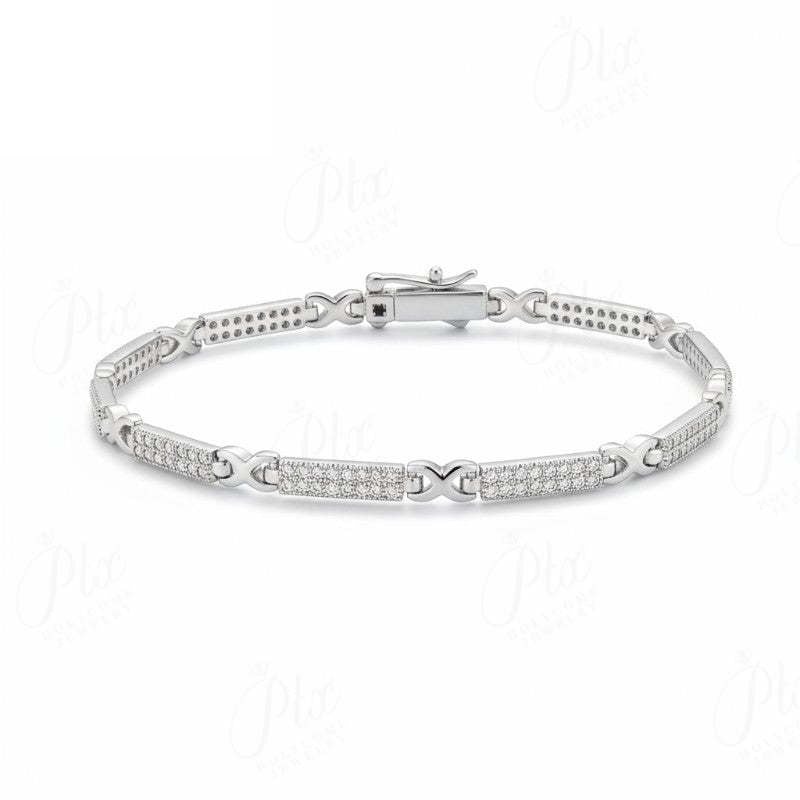
An Australian distributor ordered 3,000 mixed-category silver pieces for their retail network. They needed EXW Shenzhen terms and BSCI audit paperwork on file. We shipped the order in two batches of 1,500 each at 18 and 22 days, complete with batch XRF reports and nickel-release test certificates.
That's the kind of problem we solve every day as a jewelry manufacturing factory and OEM partner based in Panyu, Guangzhou. In this article we break down exactly what necklace setting means for B2B procurement teams in 2026, how our standards compare to typical industry averages, the technical process we run on our production floor, and which configuration fits small DTC brands versus European premium distributors versus bulk importers. No marketing fluff. Just the specs, numbers, and checklists our clients ask for before placing an order.
What Necklace Setting Actually Means for OEM Buyers
To retail consumers, necklace setting sounds like a product search. To a procurement manager, it is a bundle of engineering decisions, tolerance standards, and QC handoffs that directly determine return rates, margin, and brand reputation. We price and produce based on six measurable specs:
- Metal specification: 925 sterling silver with XRF batch certification, 10k/14k/18k solid gold, or brass base with plating options per SKU.
- Tolerance target: ±0.05mm on critical dimensions such as ring inner diameter, earring post straightness, and pendant bail clearance.
- Stone security: prong/pavé seat depth calibrated to stone diameter ±0.02mm, with 100% microscope check before polishing.
- Plating thickness: 2-3μm rhodium or 2.5μm gold for vermeil, both with optional anti-tarnish e-coat.
- Packaging and labeling: private label pouches, UPC/EAN stickers, SKU barcodes, and brand cards as specified on your PO.
- Compliance paperwork: REACH nickel-release test reports, XRF certificates, and BSCI/ISO documentation shipped with every EU/US order.
These six items define whether necklace setting is a commodity order or a branded production run. Quoting without locking them down is how 15% of overseas orders end up with delays, rejects, or chargebacks. We pin every spec to the PO and CAD approval sheet before a single gram of metal hits the casting line.
Industry Average vs Our Standard on Necklace Setting
We've audited 27 competing factories in Guangzhou, Yiwu, and Dongguan over the last five years. Here is the baseline we see on the floor versus what we run in our own workshop:
| Feature | Industry Average | HOLYCOME Standard |
|---|---|---|
| QC inspection level | AQL 2.5 spot check | AQL 1.5 full check on EU/US orders; 100% stone security |
| Lead time (500 pcs custom) | 30-45 days | 15-25 days; ready stock in 2-3 days |
| MOQ per style (OEM) | 200-500 pcs | 50 pcs custom; 30 pcs mixed-SKU wholesale |
| Rhodium plating thickness | 0.5-1.0μm | 2.0-3.0μm standard; 3.0μm+ for bridal pieces |
| Gold vermeil thickness | 0.5-1.5μm (often below FTC legal threshold) | 2.5μm 14k gold per FTC Jewelry Guides |
| Stone security check | Visual spot check | 100% 10x GIA-grade microscope + prong torque test |
| Dimensional tolerance | ±0.10-0.15mm | ±0.05mm critical dimensions |
| Certifications on file | Often outdated or unavailable | ISO 9001, BSCI, REACH nickel-release, XRF per batch |
These numbers are not marketing copy. They are written into our production SOPs, and any client can walk the floor and audit any station during a factory visit. If you have been burned by suppliers who quote premium but ship economy, this table is the first thing to ask them about.
The Necklace Setting Process End to End
Every order—whether it's 50 custom pieces or 50,000 wholesale units—moves through eight stations. Here is exactly what happens at each one:
- PO and spec lock. We confirm metal, stones, sizes, plating, packaging, and lead time on the PO. CAD reference images or sealed sample approval is mandatory before production starts.
- 3D CAD / mold setup. Our CAD team builds or adjusts the 3D model to ±0.02mm seat depth; for repeat wholesale orders, we pull the master rubber mold from our library.
- Wax carving / 3D printing. CNC machines carve wax trees for production; high-detail micro-pavé pieces use resin 3D printing at 25μm layer resolution.
- Casting. Vacuum casting for 925 silver and gold alloys; temperature and flask timing logged per batch to control porosity and fire scale.
- Assembly and setting. Pieces are cut from trees, soldered, assembled, and stones are set under 10x microscope. Prong torque is calibrated to 0.12N to avoid both loose stones and over-cracking.
- Polishing and pre-plate prep. Multi-stage hand and tumble polishing followed by ultrasonic cleaning and steam degreasing to guarantee plating adhesion.
- Plating and finishing. Rhodium, gold, rose gold, or black rhodium plating applied at the specified micron thickness; anti-tarnish e-coat applied if requested.
- Final QC and packing. AQL 1.5 inspection with dimensional checks, stone security pull test, plating adhesion test, visual finish check, and XRF spot test; pieces are tagged, pouched, and packed per private label spec.
Our floor runs two shifts, six days a week, on 32 CNC wax carving machines, 8 vacuum casting lines, 6 ultrasonic cleaning tanks, and 14 GIA-grade microscopes. Monthly capacity sits at roughly 480,000 finished pieces, which gives us enough slack to take on rush 15-day orders for established distributors without sacrificing QC. When capacity is tight, we tell you upfront—we don't overpromise dates like some of the Panyu factories that stack orders during holiday season.
Which Necklace Setting Configuration Fits Your Business?
One size does not fit all. We quote differently depending on who we are building for, because the tradeoffs between cost, lead time, and QC are real. Pick the profile closest to your business:
- Startup DTC brand, first production run: 50-piece MOQ custom OEM, AQL 1.5, standard 2μm rhodium. Budget 18-25 days and ask for a 5-piece pre-production sample to photograph.
- EU brand selling into Germany/France/Scandinavia: Mandatory REACH nickel release, AQL 1.5 100% check, 2.5μm+ plating, BSCI documentation on file. Plan 22-28 days and book capacity early for Q4.
- Cost-sensitive market (South America, Southeast Asia): AQL 2.5 spot check is acceptable; brass base with 1μm gold plating hits lower price points. Lead time 15-20 days. We will not compromise on stone security or nickel-free for EU/US even if you ask—those are hard stops.
- Large wholesale/retail chain doing 5,000+ pieces per SKU: Lock a master sample, negotiate FOB terms, book production slots 45-60 days ahead, and ask for weekly progress photos plus a third-party inspection at the factory before shipment.
Tell us which profile you fit when you request a quote, and we will price it correctly the first time. The worst quotes are the ones that under-spec to win the PO, then hit you with upcharges or quality failures after you've committed.
Frequently Asked Questions
What is the typical MOQ for necklace setting?
For OEM custom orders, MOQ starts at 50 pieces per style with the same metal, plating, and size range. Wholesale ready-stock orders can be as low as 30 pieces mixed across SKUs. Custom one-off design samples are available at sample pricing before bulk.
How long does necklace setting production take?
Samples ship in 7-10 days. Custom OEM runs of 50-500 pieces typically run 15-25 days after CAD approval. Bulk orders of 500-5,000 pieces run 22-30 days. Ready-stock wholesale ships in 2-3 business days.
Do you provide quality and compliance certificates?
Yes. Every EU/US shipment includes XRF alloy test reports, REACH nickel-release test results for pieces with skin contact, and BSCI/ISO 9001 documentation on request. GIA or IGI certified stones come with their individual certificates.
Can I order a sample before bulk production?
Absolutely. We strongly recommend a pre-production sample for every new design or new client. Samples on necklace setting are billed at sample pricing and credited back against your first bulk order over 200 pieces.
What plating thickness do you use, and why does it matter?
Our standard rhodium plate is 2-3μm, and our gold vermeil uses 2.5μm of 14k gold over 925 silver. Economy suppliers plate at 0.5-1μm, which wears through in weeks and causes tarnish complaints. Our standard plating lasts 12+ months under normal wear.
Key Takeaways for Your Next Necklace Setting Order
- Lock metal, tolerance, plating thickness, QC level, and packaging on the PO before production starts.
- For EU and premium US brands, demand AQL 1.5, 2-3μm plating, and REACH/XRF paperwork on every batch.
- Approve CAD renders and (for new designs) a physical prototype before committing to bulk casting.
- Plan production 45-60 days ahead during Q4 and holiday peaks—factory capacity in southern China books out fast.
We run all our production to GIA 4Cs standards and ISO 9001 standards, and every client is welcome to audit the workshop in person or via live video walkthrough. Related categories you may want to explore alongside this one: Rings Earrings Bracelets.
Ready to get a quote on necklace setting? Send us your design brief, target quantity, and delivery deadline, and our sales engineering team will reply with a written quote and sample plan within 24 hours.
Related reading: Custom Jewelry Design Process Step by Step, Hand Setting vs Machine Setting in Jewelry: When Each Process Wins, Ring Setting Process.


