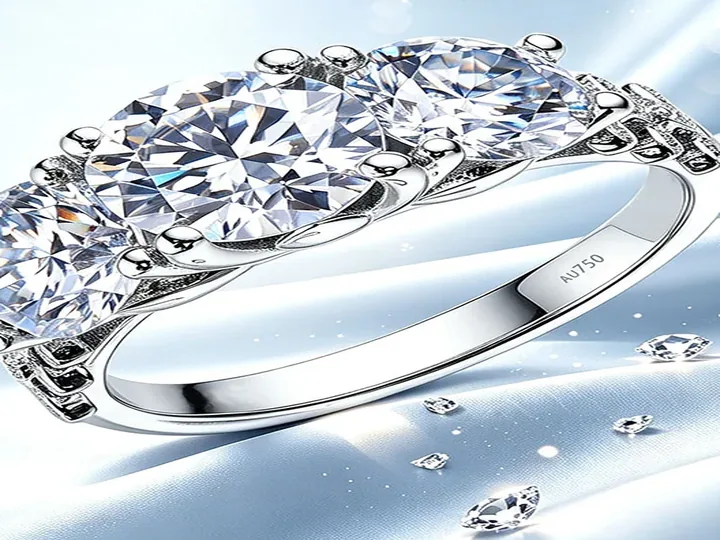
Color-change gemstones get attention fast. Alexandrite is the famous name, but most buyers cannot afford a clean one-carat alexandrite that actually changes color. Diaspore is the alternative that has quietly built a following among bench jewelers and collectors who want the same light-play effect without the alexandrite budget. Marketed under trade names like Zultanite, it is a one-locality stone with a personality all its own.

Diaspore is an aluminum hydroxide mineral that crystallizes in the orthorhombic system. The gem material reaching the trade comes almost entirely from one mine in the Anatolian mountains of western Turkey, discovered in the late 1970s and developed through the 1980s. That single-source situation is part of the story: supply is controlled, pricing is relatively stable, and the material is sold under a protected brand identity in many markets.
What the color change actually looks like
In daylight, fine diaspore shows a soft green, often compared to a desaturated mint or celery. Under warm incandescent light it shifts to a champagne or pinkish brown, and under candlelight or a low warm lamp it can lean toward a rosier pink. The shift is not as dramatic as a good alexandrite's green-to-purple, but it is consistent, and it happens in every fine stone rather than in a rare handful.
Cutters favor ovals, cushions, and emerald cuts that give the eye a large area of color to read. Because the change is subtle, smaller stones under half a carat can look washed out, and the effect is best seen above roughly one carat. Our own bench sees diaspore most often as a center stone in a solitaire or a three-stone ring flanked by small diamonds, where the color can actually be watched over the course of a dinner.
Hardness and setting logic
Diaspore sits at 6.5 to 7 on the Mohs scale, which puts it in the same neighborhood as quartz. It is tough enough for an engagement ring if the setting protects the edges, and it lacks the perfect cleavage problems that make hiddenite and kunzite risky for daily wear. That combination, more than the color change, is why we recommend it for clients who want an unusual center stone they can actually wear to work.
We still avoid pave alongside it, because the thin girdle can chip if a prong presses too hard, and we use medium-prong or bezel settings rather than cathedral settings that expose the stone to sideways knocks. Our prong vs bezel guide walks through the tradeoffs in plain terms.
Pricing and what to expect
Fine diaspore in the one-to-three-carat range is priced well below fine alexandrite of the same size, but it is not a cheap stone. Pricing tracks the strength of the color shift, the clarity, and the cut. Eye-clean stones with a strong daylight green command the top of the range, while lighter, included material is more accessible. Because most of the supply moves through established channels, prices tend to be consistent across retailers, so shopping around matters less than buying from a cutter or dealer you trust.
If you are considering diaspore for an engagement piece, talk to us about setting it in platinum or 18k yellow gold rather than white gold. The warm metals play better with the champagne shift, and they avoid the rhodium-upkeep conversation covered in our rhodium plating notes.
Why the single mine matters
Because diaspore comes from essentially one source, the supply is managed rather than discovered in sudden rushes. That has kept pricing orderly: you will not see a flood of cheap diaspore on the market, and you will not see the price collapse that followed discoveries of tanzanite or colored garnet in earlier decades. For a buyer, that means the piece you buy today is likely to hold its relative value in the market, even though it is not a speculative investment.
The single-source situation also means the stone is rarely imitated, because there is no cheap material to pass off. Glass simulants exist, but they lack the strong pleochroism and the crisp color shift, and they are easy to spot under magnification. If a price looks too good for the color, ask for a lab report rather than assuming you found a deal.
Care
Diaspore is one of the easier color-change stones to maintain. Warm soapy water and a soft brush handle most cleaning needs. Ultrasonic is generally safe on clean material, but we skip steam because sudden heat can fracture included stones. Avoid knocking it against hard surfaces, take it off before heavy work, and store it away from diamonds that would scratch it.
Because the color change is part of the appeal, we suggest wearing diaspore where the light actually changes through the day: offices with windows, dinner tables, evenings out. It is less impressive under a single cool LED panel, where the stone will just look green. If you want a piece for evenings, diaspore is one of the most romantic choices in the color-change category, and it pairs well with the gift context in our occasion gift guide.
For buyers who want a talking-point gem without the alexandrite price tag, diaspore is one of the most sensible choices in the rare-stone market. It wears reasonably, it photographs beautifully, and the color change is real enough to notice without being theatrical.
The Wikipedia article on rhodium explains why rhodium plating is applied to white gold and silver jewellery.
Frequently Asked Questions
How do I verify a factory before placing a bulk order?
Request a production video, business license, export records and a paid sample run. A factory that accepts a 50-piece test order is usually a real manufacturer.
What payment terms do you offer?
30% T/T deposit with the balance against the bill of lading. This protects both sides on first orders and can move to net terms after a track record.
What is your normal reject rate?
3–5% under 10x loupe inspection for cast and set pieces. Defective units are replaced free in the next shipment.
Where is the factory located?
Wuzhou, Guangxi, China—the core lab-grown and moissanite manufacturing cluster. Shipments go via Guangzhou or Shenzhen ports.


