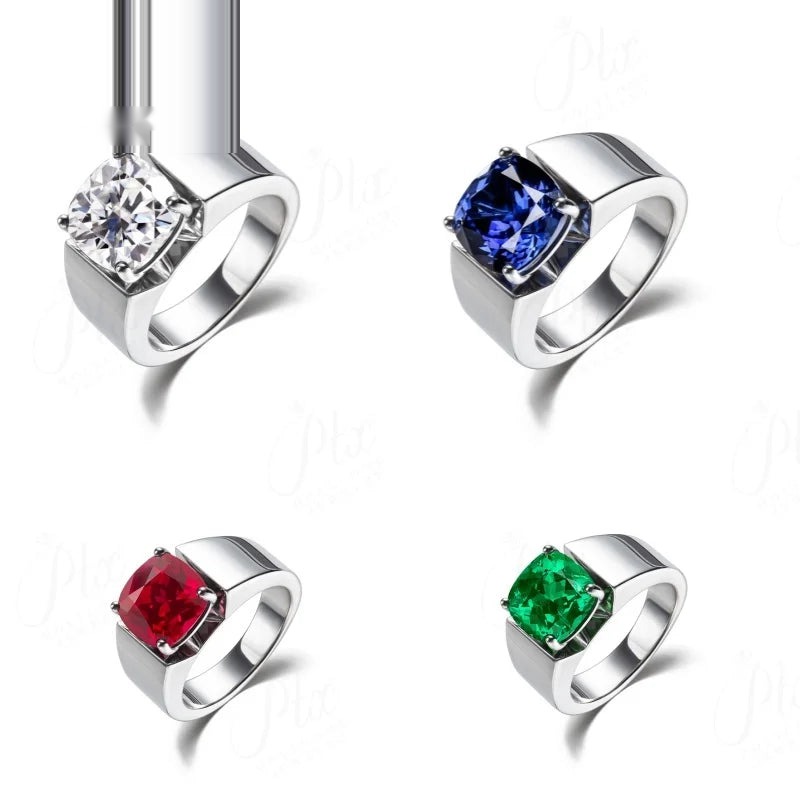
Walk into any jewelry store and the golden yellow stone in the November birthstone tray is almost certainly citrine. What most shoppers never learn is that the majority of commercial citrine starts its life as amethyst, heated in controlled ovens until its purple turns gold. That fact surprises people, but it should not alarm them. Heat treatment of quartz is stable, permanent, and openly accepted across the trade.
What citrine is
Citrine is a macrocrystalline variety of quartz, silicon dioxide, colored by trace iron that alters under heat. Its name comes from the French word for lemon, though the best material runs deeper than lemon yellow, into amber and burnt orange. The warm golden-brown grade the trade calls Madeira citrine is the most sought after: saturated, clear, and rich rather than pale.
Genuine natural citrine, meaning quartz that reached its yellow color without oven treatment, exists but is rare and usually pale. Much of what is sold as natural citrine is actually heated amethyst or smoky quartz from Rio Grande do Sul in Brazil, the source of the overwhelming majority of the world's commercial supply. Boquete material from Bolivia and smaller deposits in Zambia add minor volumes that rarely reach the mainstream market.
What the heat treatment actually does
Heating amethyst to roughly 400 to 500 degrees Celsius changes the oxidation state of iron within the crystal, shifting purple to yellow, orange, or brown. The result is stable. The color will not fade in a jewelry box or revert in sunlight the way a dyed stone might. Treatment is permanent and, unlike emerald oiling, requires no periodic maintenance or re-treatment years down the line.
Because heating is standard, value is not discounted for it. Buyers instead judge the final result: color saturation, clarity, and cut. A fine Madeira-colored heated stone outprices a pale natural one by a wide margin. This differs from colored stones where untreated carries a real premium, and our notes on heat treatment in sapphires show exactly where that distinction does matter for a buyer's budget.
Durability and daily wear
Quartz sits at 7 on the Mohs scale, which puts citrine safely above most household dust and well above softer stones like peridot or turquoise. It chips less readily than emerald and tolerates hand washing, desk work, and general city wear without complaint. That combination of affordable price, warm color, and genuine durability is why citrine works in rings as well as pendants, and why it appears so often in stackable jewelry.
It is not indestructible. A hard knock against tile can chip a thin edge, and prolonged direct sunlight over decades may slightly lighten the deepest orange tones. Ultrasonic cleaners are generally safe on citrine, though we still prefer warm soapy water on pieces with antique or delicate settings, because the basket and prongs take the vibration as much as the stone itself does.
Value factors to shop by
Color is everything. The best stones show a deep, even golden orange with no gray or brown mud. Clarity runs high in quartz, so heavily included material should be priced down hard; eye-clean is the norm at commercial sizes. Cut matters for brightness: a well-proportioned oval or round will glow, while a shallow cut will look washed out from the top.
Sizes over ten carats are affordable compared with similar sapphires, which makes citrine a favorite for statement cocktail rings. When you buy, ask directly whether the stone has been heat treated. The honest answer is yes, in nearly every case, and knowing that lets you compare prices on equal footing. For November alternatives and the birthstone calendar more broadly, our birthstone guide walks through the month-by-month options, and cleaning hard colored stones covers the gentle routine that keeps gold and quartz bright between professional cleanings.
Citrine in rings, pendants, and stacks
Because citrine at 7 on the scale rivals amethyst in durability, it works in ring designs that softer colored stones cannot handle. Channel-set citrine bands, solitaires in simple bezels, and three-stone rings all wear comfortably through office work and travel. Its warm tone stacks naturally with rose gold and with lighter pink stones like rose quartz, which is why citrine appears in so many autumn-themed capsule collections.
Buyers shopping for color should compare stones side by side under daylight and under incandescent light. Citrine shifts: some stones look richer under warm bulbs, others look washed out indoors but glow in natural light. The stone that reads perfectly under a jewelry store's bright spotlights can disappoint at home. Ask to see the piece by a window, and notice how the color looks against your own skin tone, since citrine's warmth flatters some complexions and competes with others.
Citrine is the practical luxury of the birthstone family: a real gemstone that wears as well as it looks, at a price that lets buyers choose the color they actually want rather than the size they can afford.
The International Gem Society moissanite guide explains how moissanite performs in daily wear compared with diamond.
Authoritative References
For buyers who need to verify the technical and regulatory basis of this guide, the following independent institutions publish authoritative reference data:
- GIA Gem Encyclopedia - independent grading and identification reference for natural and lab-grown gems.
- Wikipedia: Moissanite - peer-reviewed background on moissanite chemistry, optics and history.
Related reading: Amethyst Gemstone: Color, Heat Treatment, and Care, Aquamarine Gemstone: Properties, Color, and Value Explained, Turquoise Gemstone Guide: Stabilization, Color, and Value.
Frequently Asked Questions
How do I verify a factory before placing a bulk order?
Request a production video, business license, export records and a paid sample run. A factory that accepts a 50-piece test order is usually a real manufacturer.
What payment terms do you offer?
30% T/T deposit with the balance against the bill of lading. This protects both sides on first orders and can move to net terms after a track record.
What is your normal reject rate?
3–5% under 10x loupe inspection for cast and set pieces. Defective units are replaced free in the next shipment.
Where is the factory located?
Wuzhou, Guangxi, China—the core lab-grown and moissanite manufacturing cluster. Shipments go via Guangzhou or Shenzhen ports.


