Care & Maintenance: as a Gift: Packaging, Timing and the Details That Decide a Review
Words and bench work · HOLYCOME workshop
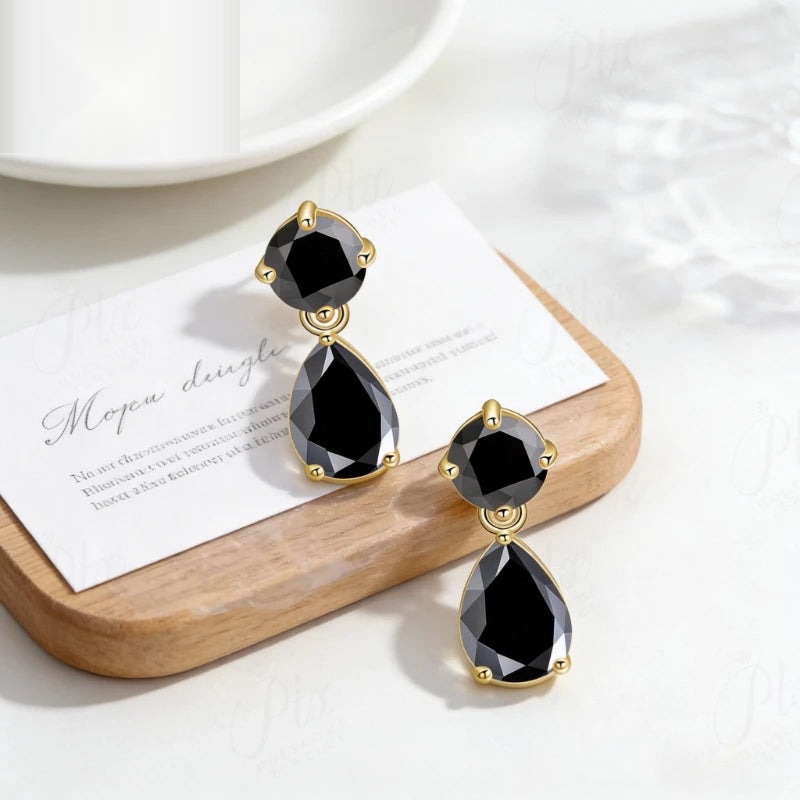
Buyers often ask about this jewelry category with a single number in mind — a price, a size, a delivery date. In practice those three are tied together: the MOQ changes the unit price, the specification changes the bench time, and the finish changes how long the piece lasts in the hand. We lay those connections out here so the first conversation with a factory starts from the same set of facts.
Cleaning should stay gentle. Warm water, a drop of mild soap and a soft brush on the setting and under the stone is enough for most silver and plated pieces; ultrasonic cleaning on a regular basis can loosen prongs and drive moisture behind a plated layer. If the plating has worn through at the contact points, replating is a bench job, not something a polishing cloth fixes.
Tell your customers the expected finish interval up front. A plated silver piece worn daily shows the base metal at high-friction points within months, and that is normal wear rather than a defect. A care card that sets the expectation reduces the "it looks cheap" complaint that really means "the plating wore off sooner than I expected".
Day-to-day wear does the damage, not a single accident. Moisture, perfume, sweat and friction against a handbag or a desk are what dull the surface and loosen a prong over time. The care routine that actually works is short: wear last, take off before showering or cleaning, and store the piece separately so it is not rubbing against other metal in the box.
01This jewelry category: the practical checks before you order
- Check the plating or finish at the high-friction points under a loupe, where wear shows first.
- Verify the prongs sit above the girdle and the stone sits level; a tilted stone reads as a cheap setting in any photo.
- Match the certificate number to the card before listing, and keep the batch sheet with the order records.
- Ask for the alloy declaration and confirm whether any nickel is added, especially for skin-sensitive customers.
- Confirm the size run, the millimeter measurements and the chain or band width on the listing.
02Planning the first run
Payment and sample terms should be settled before production starts. A sample order, the approved spec sheet, and the deposit schedule are the three documents that keep a bulk run from becoming a negotiation halfway through. If a supplier is vague on which of these are written down, that vagueness usually repeats on delivery day.
After the lot arrives, compare it against the sample you approved rather than against the photograph. Weight, finish, stone match and setting position are the things that drift between sample and bulk, and they are measurable. Keep the arrival photos with the order record so a later exchange or a reorder starts from the same baseline.
03Reference range in our catalog
| Reference | Specification | MOQ | Unit range |
|---|---|---|---|
| Lab-Grown Diamond Jewelry in sterling silver — HC-23 | 925 Sterling Silver | 1 | $420.00 - $1,300.00 |
| White Moissanite Loose Stone – Ref P1385 | 925 Sterling Silver · White | 1 | $14.00 - $45.00 |
| Lab-Grown Gemstone in 925 silver with rhodium finish | 925 Sterling Silver | 1 | $18.00 - $120.00 |
| Lab-Grown Diamond Jewelry in 925 silver with rhodium | 925 Sterling Silver | 1 | $420.00 - $1,300.00 |
| Pink Moissanite Loose Stone – Ref P1393 | 925 Sterling Silver · Pink | 1 | $14.00 - $45.00 |
Ranges reflect current factory pricing for this catalog and move with metal and stone costs; treat them as planning figures and confirm against a written quotation.
The pieces that reorder are rarely the most photographed ones. They are the ones that fit the customer, hold the finish and arrive without surprises — which is why we spend the inspection pass on fit and weight before the lot ships.
If you are putting together a first run in this category, start with the stock silhouettes, keep the size run standard, and let the sell-through decide where the next batch expands. That approach protects margin better than chasing the widest catalog on day one.
04Buyer questions
What damages the finish fastest?
Perfume, sweat, moisture and friction against other metal wear the surface down fastest. Take the piece off before showering or cleaning, and store it separately from other jewelry so the plating is not rubbed through in the box.
How often should the piece be cleaned?
A gentle soap-and-water clean every couple of weeks for worn daily pieces is enough. Avoid regular ultrasonic cleaning on plated or prong-set pieces, which can loosen settings and drive moisture behind plating.
Can I order a sample before committing to bulk?
Yes. A sample from stock lets you judge weight, finish and communication before the bulk run; compare it against the spec sheet and keep arrival photos for the later comparison.
05Related reading
Read Final Rouge Polish: The Last Buff That Sells the Ring for the deeper walk-through.
Read Soldering Jump Ring Joins: Closed Rings That Do Not Open for the deeper walk-through.

