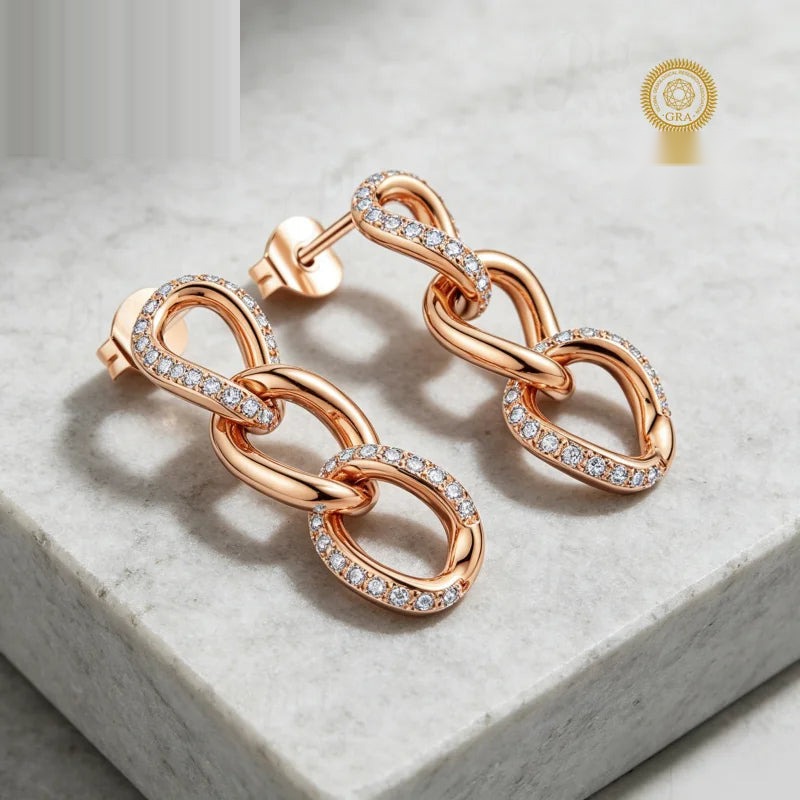
A bezel-set cabochon comes back from the polishing bench and the customer notices two problems: the bezel lip looks rounded and soft, and there is a faint scratch across the top of the stone. The setter did a clean job. The polish order is where it fell apart. Bezel polishing is not the same as polishing a plain band; the lip, the wall, and the stone each need their own step, in a specific order.
The three surfaces of a bezel
A bezel has three surfaces: the outer wall (the vertical side you see), the top lip (the thin rim that folds over the stone), and the inner edge (where the lip meets the stone girdle). Most bench techs want to buff the whole piece at once. That is the mistake. Buffing the outer wall before the lip is set rounds the lip over. Buffing the lip after the stone is in place catches the edge of the stone and scratches it. The correct order is: set the bezel, burnish the lip, polish the outer wall with the stone masked, then finish the inner edge by hand.
Burnishing the lip before polishing
After the setter folds the bezel over the stone with a bezel pusher, the lip is slightly uneven. We run a burnisher (agate or steel) around the top edge in two passes to press the lip flat against the stone. That burnish step is what gives the bezel its clean, tight line. Skip it and the lip looks lumpy even after polish. We pair this with tension vs bezel setting durability on the same bench, because both settings rely on the edge being crisp.
Polishing the outer wall without touching the stone
The outer wall is polished on a muslin buff with red rouge, at low speed (about 3500 RPM, not the full 6000). High speed generates heat that softens the bezel lip and can crack a heat-sensitive stone (opal, turquoise, amber). We mask the stone with a small piece of tape or a wax shield before the buff touches the piece. The bench tech holds the bezel at a 45-degree angle to the buff, never flat, so the buff only contacts the wall and not the lip. This is the same technique we use on final high shine polishing steps for rings. The GIA 4Cs also note that a poorly polished bezel can mask the color and clarity of the center stone, which is why we treat the edge as a separate surface.
Finishing the inner edge by hand
The inner edge where the bezel meets the stone is never touched by a buff. We finish it with a wet cotton swab dipped in rouge, run around the edge by hand. That removes the tiny file marks from the set without dragging compound into the stone seat. If the stone is a faceted diamond or sapphire, we can use a slightly firmer tool; if it is a cabochon, we stay with cotton. We cross-check the technique against hand setting vs machine setting, because hand-set bezels always need hand-polish.
Common bezel polish mistakes and what they cost
Rounded lip: buffed too early, before burnish. Cost: reset the bezel. Stone scratch: buff touched the stone. Cost: replace the stone. Burn-through on the wall: buff held too long on a thin 0.5 mm bezel. Cost: rebuild the bezel. We flag these at QC and send the piece back, not to the customer. The same checks run on bench polishing compounds mops sequence for the rest of the line.
FAQ: Bezel setting polishing
Can you polish a bezel after the stone is set?
Yes, but only the outer wall, with the stone masked. The lip and inner edge are finished by hand. A full buff over the whole piece will scratch the stone.
Why does my bezel lip look dull after polishing?
Most likely the lip was not burnished before polish. A burnisher run around the top edge restores the crisp, bright line. We note this on pave vs bead setting differences as well.
How thin can a bezel wall be before polishing burns through?
Below 0.5 mm in 14k, the wall heats quickly on the buff. We spec 0.6 mm minimum for bezels that will be high-polish, and drop to low-speed buffing on thinner walls.
Does polishing damage soft stones like opal?
Yes, heat and compound both damage opal. We set opals after polishing the bezel wall, then finish the lip by hand with no buff contact.
If you are launching a bezel-set line, send us the stone type and bezel wall gauge. Our custom manufacturing bench will set, burnish, and polish in the correct order so the lip stays crisp and the stone stays clean.
Why bezel wall gauge is set before polishing
The wall gauge decision happens at casting, not at the bench. A bezel that was cast at 0.5 mm will never survive a high-shine buff without burn-through, no matter how carefully the bench tech works. We spec 0.6 mm minimum on any bezel that will be high-polish, and 0.8 mm on rings that will be worn daily. If a design requires a thin, delicate bezel, we finish it by hand with emery sticks and skip the buff entirely. That call is made on the CAD, not discovered at the polish station.
Frequently Asked Questions
How do I verify a factory before placing a bulk order?
Request a production video, business license, export records and a paid sample run. A factory that accepts a 50-piece test order is usually a real manufacturer.
What payment terms do you offer?
30% T/T deposit with the balance against the bill of lading. This protects both sides on first orders and can move to net terms after a track record.
What is your normal reject rate?
3–5% under 10x loupe inspection for cast and set pieces. Defective units are replaced free in the next shipment.
Where is the factory located?
Wuzhou, Guangxi, China—the core lab-grown and moissanite manufacturing cluster. Shipments go via Guangzhou or Shenzhen ports.


