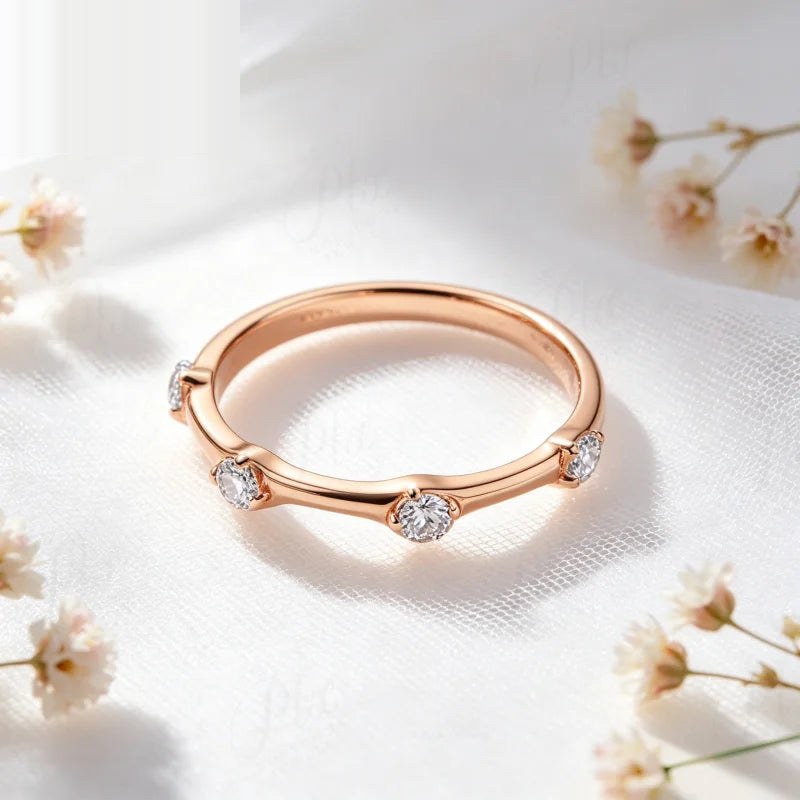
A jewelry workshop is a sequence of stations, and each station represents a capital decision. Buy the machine and you control the process and the lead time; outsource the step and you avoid the equipment cost but inherit a queue. The shops that scale cleanly are the ones that made these decisions on the right side of the line. The shops that stall bought every tool they saw and under-used half of them.
The core in-house set
Below is the equipment a serious manufacturing workshop treats as fixed infrastructure, roughly in order of purchase for a growing bench:
- Vacuum casting machine plus burnout kiln. The single biggest process step. Owning it turns a two-week outsourcing cycle into a 48-hour one, and it lets the factory inspect sprue layout and porosity on its own terms.
- Ultrasonic cleaner plus steam cleaner. Cheap, reliable, and used at least three times per piece. There is no sensible reason to outsource this step.
- Polishing lathe plus flex shaft. The bench's workhorse. A decent lathe and a set of muslin, cotton and bristle wheels covers 90% of finishing.
- Rotary tumbler with steel shot. Burnishes inner shanks and small pieces overnight; amortizes against hand burnishing within months.
- Laser welder. The first premium buy. It repairs prong tips, re-attaches chains, and closes tiny casting defects without heating the whole piece, which means stones can stay seated during a repair.
- Microscope or high-power loupe station. Inspection is a station, not a glance. A 10x microscope at the setting bench catches prong issues before packaging does.
Why the laser welder earns its place early
Laser welders are the piece of equipment that new owners underestimate. On a bench without one, a slightly short prong tip means removing the stone, soldering on a new tip, re-finishing the area, and re-seating the stone. With one, the setter builds up the tip in place in minutes, and the stone stays. The same logic applies to chain soldering, jump-ring closure, and small repair jobs that come back under warranty. For a shop doing any volume of set work, the laser pays back in avoided re-finishing time within a year or two.
What to outsource, and why
Some steps are deliberately not in-house, even at size:
- Electroplating. Plating lines bring environmental compliance, waste handling and fume extraction burdens that most small-to-mid workshops are better off avoiding. Plating job shops run better-controlled baths than an in-house line ever will at low volume.
- Stone cutting and faceting. A faceting machine is cheap; the skill to cut calibrated material profitably is not. Buying calibrated stones wholesale beats cutting your own for nearly every small shop.
- Assaying and hallmarking. External assay offices provide the stamp credibility that an in-house test cannot.
- Drawing stock and wire. Continuous casting mills for wire and sheet make sense only at very high volume; buying drawn stock from a refiner is cheaper and more consistent.
New versus used, and the cash-flow reality
Most growing benches do not buy new. Jeweler's supply houses and used-equipment dealers offer solid vacuum casting machines and polishing lathes at half retail, often with a decade of life left. The risk is in electronics: a 15-year-old laser welder may need a power-supply replacement that costs nearly as much as a new machine. Rule of thumb: buy used for purely mechanical equipment (lathes, tumblers, ultrasonic tanks), and buy new for equipment with proprietary electronics and a service network (laser welders, digital casting machines). Plan for at least one service call in the first two years on any used machine, and price that into the decision. A well-chosen used setup can take a workshop from prototype to 50 pieces a week for a fraction of the new-equipment quote, which is why most established factories started that way.
Space, power and ventilation before the purchase
Equipment decisions fail most often not on the machine itself but on the room around it. A burnout kiln needs ventilation and a dedicated circuit. A polishing lathe needs a dust collector. A laser welder needs a dark corner with a stable table. Factories that buy first and plan the room later spend their first month tripping breakers and re-routing ductwork. Plan the utility load, the fume extraction, and the bench layout before ordering anything bigger than a tumbler.
What this means for buyers choosing a factory
When you audit a workshop, walk the stations. You should see casting, finishing, setting, ultrasonic, and a laser welder under one roof. You should also see an honest explanation of which steps are sent out - plating is the usual answer. A factory that claims to do everything in-house is usually doing several of those things badly. A factory that knows exactly what it buys, what it makes, and what it sends out - like the line described on our facility page - is the kind of partner that handles repeat wholesale work cleanly.
For the legal text behind our material compliance, see the REACH Regulation (EC) No 1907/2006 on EUR-Lex.
Frequently Asked Questions
How do I verify a factory before placing a bulk order?
Request a production video, business license, export records and a paid sample run. A factory that accepts a 50-piece test order is usually a real manufacturer.
What payment terms do you offer?
30% T/T deposit with the balance against the bill of lading. This protects both sides on first orders and can move to net terms after a track record.
What is your normal reject rate?
3–5% under 10x loupe inspection for cast and set pieces. Defective units are replaced free in the next shipment.
Where is the factory located?
Wuzhou, Guangxi, China—the core lab-grown and moissanite manufacturing cluster. Shipments go via Guangzhou or Shenzhen ports.


