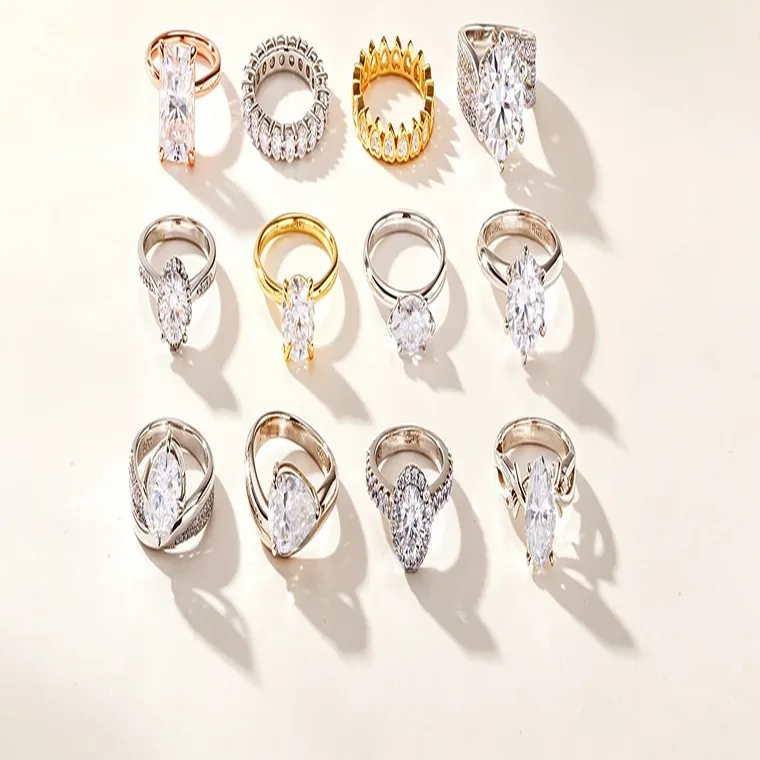
A small brand priced a 14k gold ring on a gold spot price from one month, ordered it the next, and watched the per-piece metal cost climb 9% between the quote and the invoice. Separately, a silver run tarnished faster than the last because the incoming alloy had a slightly higher copper ratio. Material sourcing (FTC jewelry industry guides) is invisible until it bites — then it hits both your margin and your reputation. Here is how a jewelry factory actually sources metals and stones, and what a buyer should lock in to keep costing and quality steady.
Why sourcing consistency is a quality issue
Jewelry metal is bought by weight against market pricing, and alloy composition varies by supplier. 925 sterling silver is nominally 92.5% silver with copper; a supplier that leans the copper ratio changes how the metal polishes and how fast it tarnishes. Gold karat is a legal fineness, but trace alloys change colour and castability. For stones, the cut and grading source decides fire and consistency across a run.
| Material | What you buy | Cert to demand |
|---|---|---|
| 925 sterling silver | Alloy by weight | Mill / assay certificate |
| 10k / 14k gold | Alloy by weight, current spot | Mill certificate, karat stamp |
| Rhodium plate | Applied microns | Plate thickness report |
| Moissanite | By cut and carat | GRA certificate per stone |
| Lab-grown diamond | By 4Cs | IGI / GIA report |
How a factory sources metals
We buy 925 silver and gold alloys from refined metal suppliers who issue mill certificates on each batch. The incoming alloy is checked for karat fineness before casting, and the batch number is logged against the production run. That log is what lets a buyer — or their customs authority in the EU or US — trace a ring back to the alloy it was made from. Gold is priced to the live spot market at the time of order, which is why a quote has a validity window rather than a permanent price.
Plating is part of the sourcing picture too. Rhodium applied over 925 silver and white gold is what stops silver from tarnishing and gives white gold its bright face. We hold rhodium plate to 0.5 µm per batch and measure it, because a plate half that thickness wears through in months and reads to the customer as cheap metal. Platinum is available on request for higher-end pieces, with its own distinct casting and finishing profile.
How stones are sourced
Moissanite is bought in calibrated cuts (round, oval, cushion, emerald) with GRA certificates. We verify each stone against its certificate before setting, so the stone in the ring matches the paper. Lab-grown diamonds come with IGI or GIA reports covering the 4Cs. Because stone grading varies even within one certificate, high-volume buyers lock a master stone for colour and clarity comparison so a reorder matches the original visual standard.
Buying by program
Silver-first brand: 925 silver is the most cost-controlled material and the easiest to reorder. Demand an assay certificate on first orders and you eliminate tarnish surprises. Gold program: price your gold work against spot at order time and build a small buffer; gold costing moves month to month, not because the factory is unpredictable. Moissanite line: lock a master comparison stone early — it is the only way to keep fire and colour consistent across six months of reorders.
Frequently Asked Questions
What is 925 sterling silver?
925 sterling silver is 92.5% pure alloyed with copper for strength. It is the standard wholesale silver and carries a mill/assay certificate confirming fineness.
How is gold pricing handled on wholesale orders?
Gold is priced to the live spot market at order confirmation, with the quote valid for a short window. Weight tolerance of ±3% keeps per-piece cost predictable across runs.
Do you provide material certificates for export?
Yes. Every metal batch ships with a mill certificate, and GRA or IGI/GIA stone reports travel with the finished pieces for EU/US customs and resale.
Why does one silver batch tarnish faster than another?
It usually traces to alloy ratio or thin plating. Consistent incoming alloy checks and 0.5 µm rhodium plating keep tarnish performance steady run to run.
Can you source specific gemstones for a custom design?
Yes. We source calibrated moissanite, lab-grown diamonds and common gem cuts to your spec; certified stones ordered to spec can add 5–7 days to lead time.
Key takeaways
- Metal is bought by weight against market price — lock spot at order time and hold ±3% weight tolerance.
- Mill certificates and stone reports make your material traceable for export and resale.
- A locked master comparison stone is what keeps moissanite colour and fire consistent across reorders.
Request a material spec sheet and current gold/silver pricing: quote valid 7 days, certificates included. View our materials.
Related: moissanite range · material guides · request pricing.
The Gemological Institute of America’s gem encyclopedia is an authoritative, widely cited reference on moissanite and diamond quality factors.


