Walk into a mineral show and you will eventually find a slab that seems to hold a printed picture inside it. Lay a piece of newsprint on the bench, set a flat slice of ulexite on top, and the words appear on the upper surface, as though the rock were a tiny screen. That optical trick earned ulexite its common nickname, "TV rock," and it has been drawing collectors ever since.
At our bench we see ulexite less often as jewelry and more often as a conversation piece. Understanding what it actually is helps explain why: it is a hydrous sodium calcium borate, a soft white mineral that forms in arid borate deposits, most famously in the desert playas of California and Nevada. It is not corundum, not beryl, not quartz. Its chemistry and crystal habit put it in a completely different category, and its durability reflects that.
What makes ulexite look like a television
The effect comes from tightly packed parallel fibers. Each fiber acts as a miniature optical fiber, transmitting light along its length by internal reflection. When a slice is cut flat and polished on both faces, the image at the bottom is carried up to the top, reversed or upright depending on how the slice is oriented. Cut perpendicular to the fibers and you get the projection effect; cut parallel and you simply get a silky, chatoyant stone that glows like cat's eye.
Specimen dealers value thick, clean slices where the projection is sharp. Jewelers who experiment with it usually cut cabochons parallel to the fibers to capture a soft silk sheen rather than the projection, because a working jewelry setting needs a smooth dome, not a wafer-thin display window.
Hardness and why it is not an everyday stone
On the Mohs scale ulexite sits around 2.5, sometimes quoted as low as 1.5 on softer cleavage surfaces. To put that in context, a fingernail is about 2.5. A stone that a fingernail can scratch is not going to survive a ring worn at a desk, let alone on the hand that types, opens packages, or grips a steering wheel. Check our Mohs hardness guide for everyday wear if you want the full durability ladder.
Ulexite is also soluble. It is a borate, and prolonged contact with moisture, perspiration, or high humidity can dull or etch the surface over time. It can craze, frost, or develop a chalky film if stored in a damp drawer. That combination of softness and solubility makes it a specimen mineral first and a jewelry material a distant second.
Where ulexite shows up in jewelry
When we do set ulexite, it is almost always in a pendant, brooch, or earring where the piece is not taking knocks. A fully enclosed bezel setting protects the edges, and a closed back keeps skin oils away from the girdle. We avoid prong settings on soft borate material because the exposed edges chip too easily.
The color palette is limited: white, silky gray, and sometimes a faint cream or tan. There is no vivid blue, green, or red variety of commercial importance. The appeal is optical, not chromatic. Buyers drawn to ulexite are usually people who already own the obvious birthstones and want something with a story to tell at the dinner table.
Caring for a ulexite piece
If you own a ulexite cabochon, treat it like a delicate object rather than a gemstone. Wipe it with a dry or barely damp microfiber cloth, never soak it, and keep it away from ultrasonic cleaners, steam, and any household chemicals. Store it in its own soft pouch, separated from harder stones that would scratch it in a shared compartment. If the surface starts to look chalky, that is usually surface alteration from moisture, and the only fix is a light repolish by a bench jeweler who knows borate minerals.
Do not confuse ulexite with the fibrous satin spar gypsum that also shows a silk sheen. Gypsum is similarly soft but behaves differently when polished, and it lacks the true fiber-optic projection. A quick look at the ends of the slab tells you: ulexite shows a fine granular "cotton ball" cross-section, while gypsum looks like coarser fibers.
Who should buy ulexite
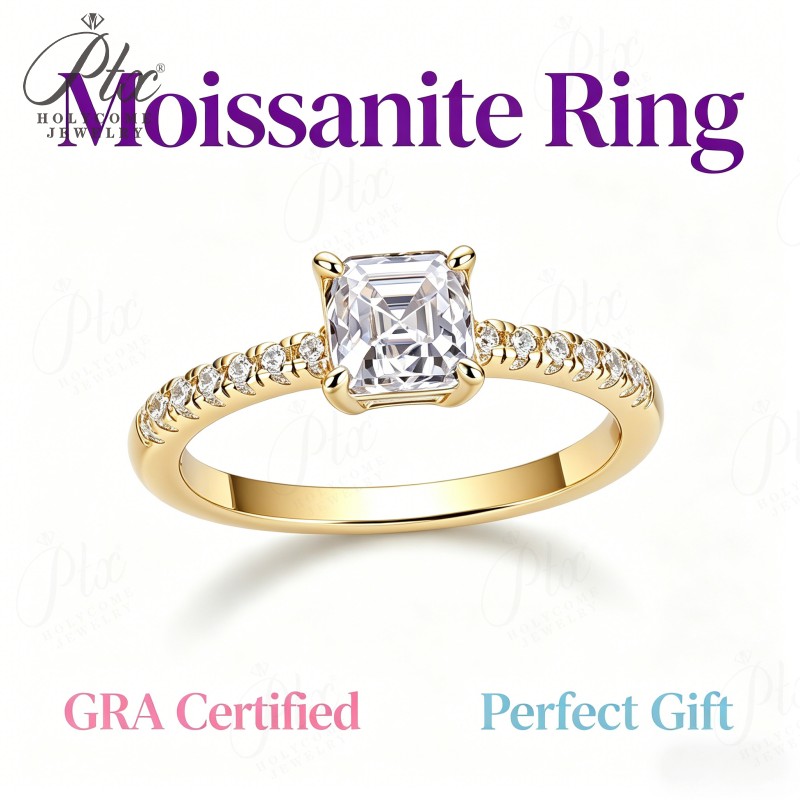
Ulexite is for collectors, mineral enthusiasts, and designers who want a one-of-a-kind talk piece for a pendant. It is not for someone looking for a daily-wear colored gem, and it is not a sensible center stone for an engagement or wedding band. If you want a durable white gem for that role, white sapphire, white topaz, or moissanite are far more practical choices, and our guide to understanding diamond simulants walks through the tradeoffs.
Treat ulexite with respect, keep it dry, and it will keep projecting its quiet optical magic for years. For the right buyer, that is exactly the point.
A concise scientific overview of moissanite is given in the Encyclopaedia Britannica entry on moissanite.
Authoritative References
For buyers who need to verify the technical and regulatory basis of this guide, the following independent institutions publish authoritative reference data:
- GIA Gem Encyclopedia - independent grading and identification reference for natural and lab-grown gems.
- Wikipedia: Moissanite - peer-reviewed background on moissanite chemistry, optics and history.
Frequently Asked Questions
How do I verify a factory before placing a bulk order?
Request a production video, business license, export records and a paid sample run. A factory that accepts a 50-piece test order is usually a real manufacturer.
What payment terms do you offer?
30% T/T deposit with the balance against the bill of lading. This protects both sides on first orders and can move to net terms after a track record.
What is your normal reject rate?
3–5% under 10x loupe inspection for cast and set pieces. Defective units are replaced free in the next shipment.
Where is the factory located?
Wuzhou, Guangxi, China—the core lab-grown and moissanite manufacturing cluster. Shipments go via Guangzhou or Shenzhen ports.


