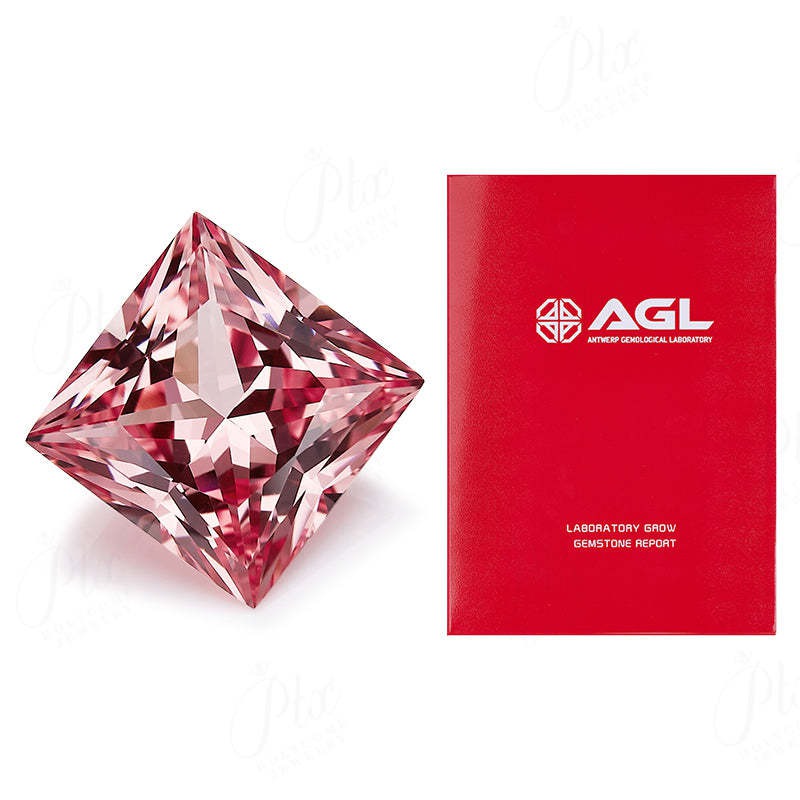
Few gems have a color as instantly recognizable as tanzanite: a blue that shifts to violet depending on the light. But that beauty comes with a maintenance profile very different from a sapphire ring. Tanzanite is soft, brittle and heat-treated, and the way you clean and store it changes how long it stays that color.

Why tanzanite is delicate
Tanzanite is gem-quality zoisite, found in a single region in Tanzania. It measures roughly 6 to 7 on the Mohs scale, which puts it in company with nephrite and opal—below quartz, far below sapphire. It also has perfect cleavage, meaning it can split cleanly along one plane if struck at the wrong angle.
Almost all commercial tanzanite is heated. Brownish rough is gently heated to turn it the famous blue-violet. That color is stable under normal light, but it is why the stone dislikes sudden thermal shock—a hot plate, a steaming machine, or a temperature swing in a car can trigger internal stress.
If you want the full picture before buying, our tanzanite gemstone guide covers origin, grades and value.
What to avoid
Three things damage tanzanite more than anything else.
Ultrasonic and steam cleaners are the big one. The vibration and heat can open internal fractures and aggravate cleavage. Skip them entirely, regardless of what your local jeweler says about "hard" stones.
Hard knocks. A tanzanite ring worn while lifting, gym work or gardening can chip along the girdle. We generally recommend tanzanite for pendants, earrings and occasional-wear rings, not for daily band-style rings.
Chemicals. Perfume, hairspray, chlorine and household cleaners dull the polish over time. Treat it the way we describe in our broader chemical exposure guide—apply cosmetics before you put the piece on.
How to clean tanzanite at home
The safe routine is simple and quick.
Fill a small bowl with lukewarm water and a drop of mild dish soap. Soak the piece for a few minutes to loosen oils and lotion. Use a soft baby brush or a toothbrush with very soft bristles to clean around the prongs and under the stone. Rinse under lukewarm running water—plug the drain first. Pat dry with a lint-free cloth.
That is the whole job. Do not use ammonia, do not use jewelry dips, and do not polish the stone with a cloth meant for silver; polishing compounds are too abrasive for tanzanite.
Storage
Because tanzanite scratches relatively easily, never toss it into a shared jewelry tray. Store it in its own soft pouch or a compartmented box, away from diamonds, sapphires and topaz. A scratched tanzanite loses its depth; the blue looks gray.
If you travel, use a hard case with individual slots. Our travel jewelry care guide covers packing logic for delicate stones.
When to bring it to a jeweler
If you see a chip near the girdle, a visible crack that looks like a feather, or a stone that tilts in its setting, do not keep wearing it. A chipped tanzanite can often be recut into a smaller stone or replaced; a loose stone can be tightened before it is lost. For general daily maintenance, our ring care 101 guide walks through the weekly habits that catch problems early.
Professional servicing
Even with perfect home care, a tanzanite ring should be checked annually. The setter will look at the prongs, check for hidden chips along the girdle, and confirm the stone is seated firmly. Because tanzanite is softer than the setting around it, the metal can wear thin while the stone itself still looks fine—that is exactly the kind of problem an annual check catches before a stone is lost.
We never recommend sending tanzanite through an ultrasonic bath in a general repair shop. If a piece needs more than hand cleaning, it should be done by hand or with a targeted gentle steam at close control. The small extra time is worth not replacing the stone.
As a general rule, treat tanzanite the way you would treat a fine colored gem rather than a daily diamond. Rotate it with other pieces in your collection so it is not on every day, and reserve it for occasions where it gets admired rather than knocked about. That one habit does more than any cleaner to keep a blue-violet color vivid for decades.
If you are choosing a tanzanite piece in the first place, favor pendants and earrings over daily rings. The stone is simply too soft to be slamming into desks, steering wheels and gym equipment day after day. In a pendant, it can stay that blue-violet for a lifetime.
Tanzanite rewards gentle handling. Clean it by hand, skip the machines, store it alone, and it will keep that unforgettable blue-violet for decades.
The International Gem Society moissanite guide explains how moissanite performs in daily wear compared with diamond.
Authoritative References
For buyers who need to verify the technical and regulatory basis of this guide, the following independent institutions publish authoritative reference data:
- GIA Gem Encyclopedia - independent grading and identification reference for natural and lab-grown gems.
- Wikipedia: Moissanite - peer-reviewed background on moissanite chemistry, optics and history.
Related reading: How to Clean and Care for Pearl Jewelry, Travel Jewelry Care: Keeping Pieces Safe on the Road, Jewelry Care for Active Lifestyles: Durability and Maintenance.
Frequently Asked Questions
What care instructions should I give end customers?
Remove jewelry before swimming, cleaning or applying perfume. Store dry in a sealed bag. Clean with mild soap and a soft brush, then dry fully.
How often does rhodium plating need renewal?
Every 12–18 months under daily wear. Offer a re-plating service to your customers to build repeat visits.
Does chlorine damage sterling silver?
Yes. Chlorine and saltwater accelerate tarnish and can pit the surface. Rinse and dry immediately after any contact.
What causes green skin marks?
Copper or nickel in the base alloy reacting with sweat. Switch to 316L, titanium or sterling, and specify nickel-free plating.