Wholesale Stones & Materials: Stone Grading & Color Consistency
Words and bench work · HOLYCOME workshop
01Why Stone Grading and Color Consistency Decide Your Wholesale Margins
For wholesale jewelry buyers, the Stones & Materials category lives or dies on two things: how stones are graded and whether color matches across a production run. A customer who receives a slightly different shade of moissanite or a lower-grade stone than the sample will send it back, and every return erodes the margin you built into the order.
This article walks through the grading documents you should request, the color tolerance standards to set before production, and the quality control checkpoints that keep a 30-piece custom order as consistent as the one-piece sample you approved.
02Understanding Grading Papers: GRA and IGI
Graded stones in our catalog arrive with either a GRA or an IGI certificate, and knowing the difference helps you quote accurately to your own customers.
What a GRA Report Covers
GRA reports document the key characteristics of lab-created stones, including carat weight, color grade, clarity grade, and cut proportions. For moissanite, a GRA paper gives your retail customers something tangible to present at resale, which supports a higher price point than selling unpapered loose stones. If you buy loose stones by the carat, confirm in writing whether the quoted price includes the GRA report or whether papering adds to the per-carat cost.
What an IGI Report Adds
IGI is an independent gemological institute whose reports are widely recognized across the US trade. IGI paperwork matters most when you are selling to retailers who resell to consumers familiar with certifications for lab-created diamond alternatives. When you compare quotes between suppliers, check whether both are quoting papered stones, because an unpapered stone and a papered stone of similar appearance can sit at very different price points per carat.
Matching Papers to Your Sales Channel
If you sell to e-commerce brands shipping directly to consumers, GRA papers usually suffice and keep unit costs down. If your accounts include brick-and-mortar retailers or clients who request independent verification, budget for IGI-graded material. Ask your supplier to state the grading option on the quotation itself so there is no confusion at the pre-shipment stage.
03Color Consistency Across a Bulk Run
Color consistency is the most common failure point in wholesale orders that mix stones from different production lots. Lab-created stones are produced in batches, and subtle differences in body color can appear between batches even when the graded color designation on paper looks identical.
Setting a Color Tolerance Before Production
Before bulk production begins, agree on a master sample: one physical stone or one finished piece that defines the accepted color for the entire order. Every stone in the run is then compared against that master under standardized lighting. This turns color from a subjective debate into a pass-or-fail check, and it protects both sides if a question arises at inspection.
Why Single-Lot Sourcing Matters
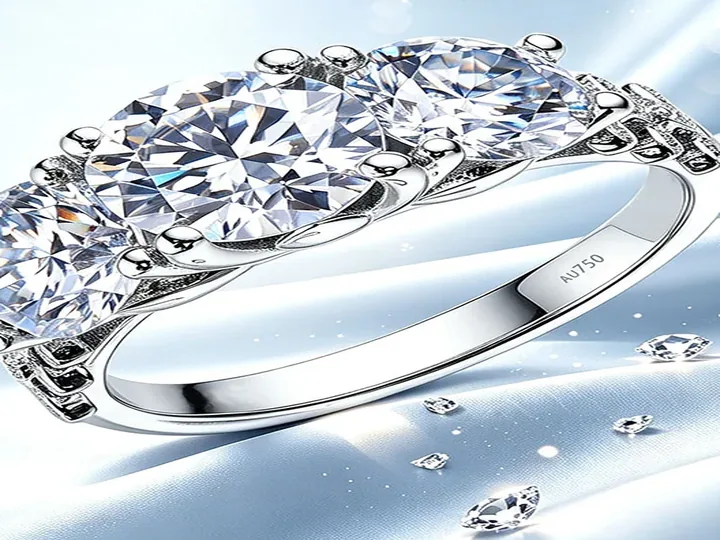
For orders where every stone sits side by side, such as tennis bracelets, eternity bands, or multi-stone pendants, request that all stones come from a single production lot. Single-lot sourcing can cost slightly more per carat because the supplier must reserve enough material of matching color up front, but it removes the visible shade shifts that occur when lots are blended to fill quantity.
Side Stone Versus Center Stone Matching
In pieces combining a center stone with pavé or channel-set accents, the tolerance for side stones can be slightly wider than for the center, since smaller stones show color less prominently. Discuss this hierarchy with your supplier during sampling so the sample reflects how the finished bulk run will actually be graded and sorted.
04How the Three-Stage QC Process Protects Your Order
A supplier's quality control structure tells you whether color and grading standards will actually be enforced. Our process runs through three checkpoints, each with a distinct purpose.
Incoming Material Inspection
Before any stone enters production, incoming inspection verifies carat weight, checks grading papers against the physical stones, and screens body color against the agreed master sample. Stones that fail are pulled at this stage, before labor has been invested in setting them, which keeps replacement costs contained.
In-Process Checks During Setting
During assembly, in-process inspection catches mixed lots early. If a setter opens a packet of stones and the shade differs from the stones already set in the batch, production stops for that unit until matching material is confirmed. This stage is where a color problem becomes cheap to fix rather than expensive.
Pre-Shipment AQL Inspection
The final gate is a pre-shipment AQL inspection conducted on the finished, packed order. Inspectors sample units against the approved master for color, check that papers match the goods, and document results before shipment is released. You can request the inspection report, and many buyers use it as the trigger for releasing the balance payment.
05Timeline and Cost Planning for Graded, Color-Matched Orders
Grading and color matching add steps to the production calendar, so plan your buy accordingly. Sampling takes 7 to 10 days, which is when you should lock the master sample and confirm grading options. Bulk production runs 15 to 25 days after approval, with single-lot material reservations sometimes extending that window at the front end. After shipment, DDP delivery to the US takes 5 to 8 days, giving you a reliable door-to-door estimate for your own sell-in dates.
Pricing structure follows the material type, and it helps to compare options side by side before committing to a run.
| Item type | Pricing basis | Grading paper option | Color matching note |
|---|---|---|---|
| Loose moissanite | Per carat | GRA or IGI | Request single lot for sets |
| Stock finished styles | Per piece | GRA typical | Matched at factory intake |
| Custom finished styles | Per piece | GRA or IGI | Master sample approved first |
Use the table as a starting point for internal budgeting, then request a written quotation that states the pricing basis, the grading paper, and the color tolerance for each line item. Written confirmation at this stage is what makes the pre-shipment AQL inspection enforceable rather than aspirational.
06Payment Terms That Align With QC Milestones
Standard terms are T/T with a 30 percent deposit and the 70 percent balance before shipment, while sample orders can be paid through PayPal. This structure works in your favor on grading and color: the deposit commits material sourcing, and the balance falls due only after the pre-shipment AQL inspection has documented that stones match the approved master and carry the correct papers.
If you are placing a first custom order, keep the sample order separate and paid via PayPal so the approved physical sample is firmly in hand before the bulk deposit is wired.
Minimums for Testing a New Style
Stock styles carry a minimum order quantity of 1 piece, which lets you evaluate grading and color in your own lighting environment at minimal cost. Custom work starts at 30 pieces, and loose stones are sold by the carat with no fixed piece minimum. A practical path for a new account is to order one stock piece, verify the paper and color against your expectations, then move into a 30-piece custom run using that piece as the master reference.
07Compliance Notes for Reselling Graded Stones
Moissanite is a lab-created diamond alternative, and your product listings should describe it exactly that way. Presenting it as a natural or mined diamond misrepresents the material and exposes your business to returns and platform penalties. The same discipline applies to metals: state the actual material, whether 925 sterling silver, 10K, 14K, or 18K solid gold, gold vermeil, or gold plated. A vermeil band over sterling should be listed as vermeil, never as solid gold.
Accurate material language also pairs naturally with the grading papers, since GRA and IGI documents themselves identify the stone as lab-created.
Writing Listings That Match the Papers
Copy the stone designation, carat weight, and color grade directly from the GRA or IGI report into your product description. When the listing and the paper agree word for word, customer disputes drop and your retail accounts gain confidence in repeat orders.
Order Terms for Wholesale Buyers
MOQ is 1 piece for stock styles and 30 pieces for custom work, and loose stones are sold by the carat. Sampling takes 7 to 10 days, and bulk production runs 15 to 25 days after the sample is approved. Pricing is quoted per piece or per carat depending on the item. Payment is T/T with a 30% deposit and the 70% balance before shipment, and PayPal is accepted for sample orders.
08Frequently Asked Questions
Can I order a single stock piece to check color before committing to bulk?
Yes. Stock styles carry a minimum order quantity of 1 piece, so you can inspect the stone, the grading paper, and the color in your own environment before scaling up. This is the lowest-risk way to establish a master reference for later custom runs.
Will the same color grade look identical between two production runs?
Paper grades can match while body color varies slightly between production lots. That is why we recommend locking a physical master sample at the sampling stage and, for side-by-side stone designs, requesting single-lot material for the whole order.
Which grading paper should I choose, GRA or IGI?
GRA papers work well for direct-to-consumer channels and keep per-carat costs lower. IGI reports suit retailers and buyers whose accounts expect independent certification. State your choice on the quotation so the pre-shipment inspection can verify it.
How long does a graded, color-matched custom order take?
Sampling takes 7 to 10 days and bulk production takes 15 to 25 days after approval. Once shipped, DDP delivery to the US takes 5 to 8 days, so a full cycle typically fits within a five- to six-week window.
What payment terms apply to sample and bulk orders?
Sample orders can be paid via PayPal. Bulk orders run on T/T with a 30 percent deposit and the 70 percent balance before shipment, due after the pre-shipment AQL inspection is documented.
Where to Go From Here
Grading papers and a written color tolerance turn the Stones & Materials category from a sourcing gamble into a repeatable buying process. Start by reviewing the material guides and sourcing notes in our journal, then read about our production standards and three-stage QC on the about page.
When you are ready to request samples or a quotation for a graded, color-matched run, reach out through our contact page and we will confirm timelines, pricing basis, and grading options for your order.
Sources: Grading references: GIA gem education and GIA laboratory information.
