Stones Materials Wholesale: Prong Safety for Daily Wear
Words and bench work · HOLYCOME workshop
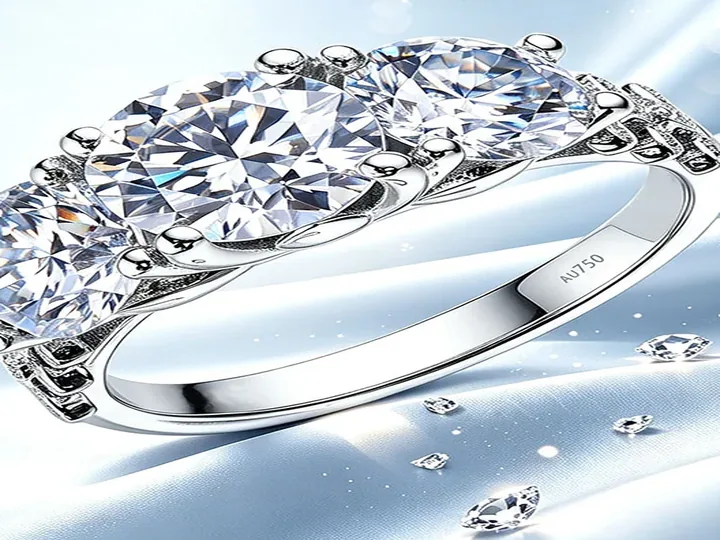
01Why daily wear breaks settings, not stones
Twelve years on the floor taught me one thing about returns: the stone is rarely the problem. The prong is. A moissanite or lab-grown diamond will outlast the metal holding it, and the metal is what takes the abuse — car doors, gym bars, dishwater, a coat pocket.
So when a buyer sends me a stones materials wholesale inquiry, I ask about the setting before I quote the stone. Wear pattern drives prong count, prong thickness, and how much metal sits above the girdle. Get that wrong and the cheapest stone in your line becomes your most expensive claim.
02Prong geometry: what actually fails in the field
Most prong failures I see come from three things: too little metal over the girdle, a sharp claw tip that snags, and a seat cut too deep so the stone sits low and the prong looks fine but holds nothing.
For daily-wear rings we cut seats so roughly 60 to 70 percent of the prong's working height grips the crown edge, and we leave a rounded tip rather than a needle point. Needle tips look sharp in photos and catch on knitwear in real life.
- Four-prong: fine for pendants and light earrings, thin for a ring worn every day.
- Six-prong: the default for solitaires above 1 ct; spreads load, keeps a lost prong from dropping the stone.
- Eight-prong or double-claw: good for 2 ct and up, or for buyers whose customers work with their hands.
- Bezel: the safest daily-wear answer, and the one most US buyers under-order.
03Setting styles ranked by how they survive a Tuesday
This is the list I give buyers who ask what to stock, not what looks best on a render. It assumes normal wear: office, commute, occasional gym session with the ring on.
Bezel and half-bezel
Full bezel is the most forgiving setting made. The stone is enclosed, there are no prongs to snag, and a knock transfers to the wall instead of the girdle. Half-bezel gives most of that protection with more light return. Downside is labor: bezel setting adds hand work, so expect a modest upcharge per piece.
Six-prong solitaire
Still the best-selling daily ring in our export book. Keep prongs at least 0.9 mm at the base for 1 ct stones and check that the gallery has a bearing, not just prongs holding air. A well-built six-prong will hold for years between inspections.
Pave and micro-pave bands
This is where I see the most stone loss, and it is almost always bead height. Micro-pave beads need enough metal to survive polishing and wear; beads that are too small shed stones in months. Ask your supplier for the bead diameter and the re-tipping policy in writing.
Channel and bar settings
Good for accent rows on a ring that gets knocked around. Channel protects the girdle on both sides. Watch for stones set too loose in the channel — they rattle and chip against each other.
Tension and floating styles
Beautiful, and I will not sell them for daily wear. The holding force depends on metal fatigue, and fatigue is a clock, not a defect you can inspect out. If a buyer wants the look, we push them to a flush-set or bezel version.
04Stone choice changes the prong spec
Hardness is not the only variable. Toughness and cleavage matter more once a stone is set and worn.
Moissanite at 9.25 Mohs takes prong pressure well and does not cleave, which is why it tolerates tighter seats. Lab-grown diamond at 10 Mohs is harder but has cleavage planes, so a sharp impact at the wrong angle can still chip the girdle — prong coverage matters more than hardness here. Softer accent stones like opal, pearl, or emerald need a bezel or a protective halo, full stop.
This is why our incoming stone check happens before setting, not after. We measure girdle thickness and look for feathers or inclusions near the edge, because a thin girdle plus a tight prong is a chip waiting to happen.
05Factory numbers a wholesale buyer can plan around
Here is what our line actually runs, so you can build a landed-cost sheet instead of guessing.
| Item | Spec | Notes |
|---|---|---|
| MOQ | 1 pc from stock, 30 pcs custom | Custom covers new setting or size run |
| Production | 12 to 18 days | Measured from deposit and approved CAD |
| QC stages | 3 | Incoming stone, in-process setting, pre-ship AQL |
| Certificates | GRA, IGI on request | IGI adds lead time on lab-grown |
| Terms | T/T 30% deposit, PayPal for samples | Balance before dispatch |
| Delivery | DDP, 5 to 8 days | Door to door, duty handled |
On cost, speed, and yield we run roughly 20 percent better than typical trading companies, and the reason is boring: we cut and set in the same building. No stone shipment to a third-party setter, no double handling, no arguing over who chipped what. Prong repair on our own line is a bench job, not a claim.
If a supplier cannot tell you the prong base thickness and bead diameter on a pave band, they have not built enough of them to know why it matters.
06The three-stage QC that catches prong problems
Stage one is the incoming stone check: girdle thickness, measurement against the certificate, and a loupe pass for edge inclusions. Stones that fail go back before they cost us setting labor.
Stage two is in-process, at the bench, before polish. The setter confirms seat depth, prong contact on all claws, and that no prong is bearing on the crown facet instead of the girdle. Stage three is pre-ship AQL sampling, where we pull pieces and do a pull-and-twist check plus a magnified tip inspection.
For wholesale buyers, ask for the AQL level and the sample size in the QC report. A report that just says "passed inspection" tells you nothing about whether the prongs will hold through a year of daily wear.
07Spec sheet items to put in your PO
- Prong count and base thickness in millimeters, not just "four-prong."
- Seat depth and whether the prong tip is rounded or claw-cut.
- Girdle thickness minimum for the stone you are ordering.
- Bead diameter for any pave or micro-pave band.
- Rhodium thickness and re-plating window for white silver.
- Certificate body per SKU: GRA as standard, IGI where the buyer needs it.
08Frequently Asked Questions
What is the minimum order for a custom prong style?
Thirty pieces per style and size run. Stock settings ship from one piece, which is how most buyers test a new prong design before committing. Custom work runs 12 to 18 days from deposit and approved CAD.
How is price quoted for wholesale setting work?
Price is per piece and depends on metal weight, prong labor, and stone grade, so we quote against your spec sheet rather than a flat list. Sample orders can be paid by PayPal; production runs go on T/T with 30 percent deposit.
Do you supply certificates and how fast is delivery?
GRA is standard and IGI is available on request, with IGI adding a few days to the 12 to 18 day production window. DDP delivery lands in 5 to 8 days door to door with duty handled.
Send your setting spec or a photo of the ring you want matched, and I will come back with prong dimensions, MOQ, and a per-piece price. If you would rather hold the piece first, ask for a sample — WhatsApp +86 133 7744 7107 or service@holycome.com and we will get it on the bench.
