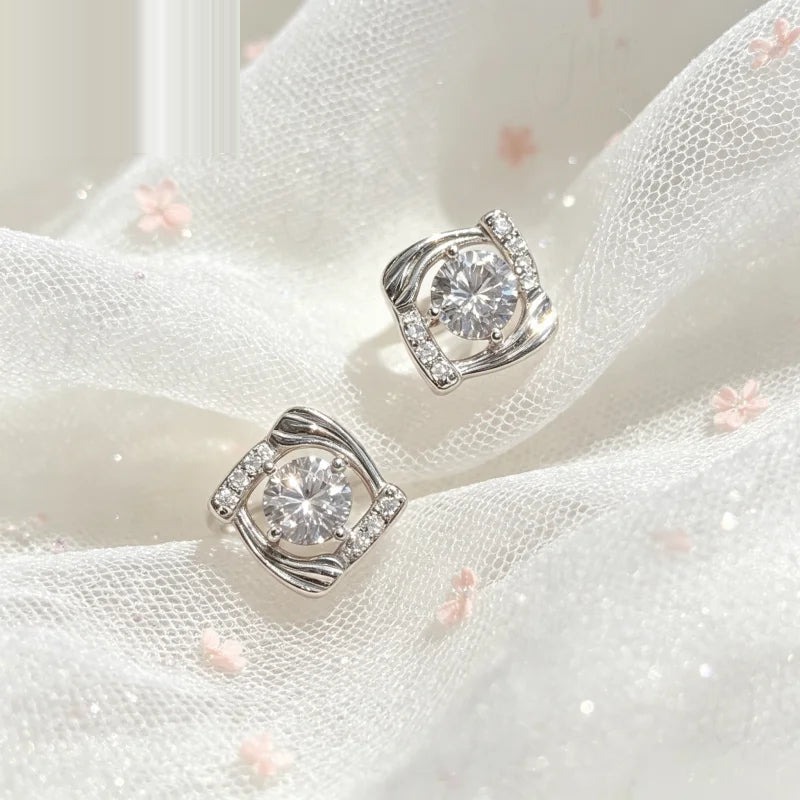
Most people meet garnet as the deep red January birthstone sold in department stores. Rhodolite is the grown-up version. It is a natural blend of pyrope and almandine garnet, colored with a trace of purple that reads raspberry, rose or wine depending on the light. It is also one of the most practical colored gems you can set in an engagement ring.
Why the color leans purple
Pure pyrope garnet is a fiery red. Pure almandine is a darker, brownish red. When the two grow together in the right ratio, the result is rhodolite: a lighter, pinkish-purple stone named after the rose (Greek rhodon) for its flower tone. The best rhodolite has a cool, clear raspberry color without brown muddiness, and it often shows a subtle shift toward more purple in daylight and more red under warm light.
That color makes rhodolite unusually versatile. It reads as red in a white-metal setting and as purple in rose gold, which is one reason we keep it in the case for clients who cannot decide between a ruby and an amethyst look. It is neither; it sits between them, with more saturation than amethyst and more affordability than ruby.
Where it is mined
The classic locality is Cowee Valley in North Carolina, which produced rhodolite as far back as the 1800s and still yields collector-grade material today. Most commercial supply now comes from Tanzania, Sri Lanka, Madagascar and India. Rhodolite is one of the few colored gems that reaches consumers almost entirely untreated; it is not routinely heated, clarity-enhanced or irradiated, so what you inspect is what you keep.
Durability that earns trust
At 7 to 7.5 on the Mohs scale, rhodolite is hard enough for daily wear. It resists scratching better than quartz-based gems like amethyst or citrine, and it lacks the cleavage and fracture problems that make emerald, tanzanite and kunzite nervous choices for a first ring. For an engagement ring, a rhodolite center stone is as close to worry-free as a colored gem gets: wipe it occasionally, check the prongs once a year, and it will look the same decade after decade.
Cutters often favor oval, cushion and pear shapes for rhodolite because those cuts deepen the purple color and hide the soft brown zoning that can appear in lighter material. Round rhodolite is less common; the color tends to look thin in a fully brilliant round.
Value and sizing
Compared with ruby or pink sapphire, rhodolite is inexpensive for its color presence. Eye-clean stones in the one-to-three-carat range are readily available, and even larger five-carat pieces stay accessible. Price moves with color saturation first (a true raspberry beats a brownish red), then clarity, then cut. Because good material is untreated, there are no hidden treatment premiums or disclaimers to navigate.
Care
Rhodolite shrugs off normal cleaning. Warm soapy water, a soft brush, and a rinse are enough. It tolerates ultrasonic cleaning in most cases, though we still recommend sticking to hand cleaning for any ring with co-set softer stones like opal or pearl. Store it away from diamond and sapphire pieces, which will scratch anything given enough contact, and it will outlast most other items in your collection.
How it compares to ruby and amethyst
Rhodolite is often the answer for a client who wants the romance of a ruby without ruby pricing, or the purple of amethyst without amethyst's softness. A fine rhodolite reads with more fire than amethyst and holds up far better in a daily ring; it is also far more affordable than a ruby of comparable color presence. In white gold it leans toward cool raspberry, in rose gold toward warm wine, which makes it one of the few gems that changes character meaningfully with the metal.
Because rhodolite is untreated, there is no disclosure conversation to have at purchase. What you inspect in the tray is what you will own in ten years. That transparency is rare in colored gems, and it is part of why we keep recommending it to first-time colored-stone buyers. We also favor oval and cushion rhodolite over round for this stone; the oval shape concentrates the purple color in a way a brilliant round cannot. If you are choosing a ring rather than earrings, we also recommend a slightly darker rhodolite than you might instinctively pick, because small stones always look lighter than large ones.
Who buys it
Rhodolite is a favorite among clients who want a pink-purple color without the January-birthstone association of dark red garnet, and among couples choosing a non-diamond engagement stone who refuse to trade away durability. If that sounds like you, pair it with a pavé diamond halo for contrast, or set it alone in a bezel for a clean modern look. Our underrated color gems for engagement rings guide goes deeper into the shortlist, and prong, bezel and pave setting types explains how we protect a stone that we intend to wear every day.
The International Gem Society moissanite guide explains how moissanite performs in daily wear compared with diamond.
Authoritative References
For buyers who need to verify the technical and regulatory basis of this guide, the following independent institutions publish authoritative reference data:
- GIA Gem Encyclopedia - independent grading and identification reference for natural and lab-grown gems.
- Wikipedia: Moissanite - peer-reviewed background on moissanite chemistry, optics and history.
Frequently Asked Questions
How do I verify a factory before placing a bulk order?
Request a production video, business license, export records and a paid sample run. A factory that accepts a 50-piece test order is usually a real manufacturer.
What payment terms do you offer?
30% T/T deposit with the balance against the bill of lading. This protects both sides on first orders and can move to net terms after a track record.
What is your normal reject rate?
3–5% under 10x loupe inspection for cast and set pieces. Defective units are replaced free in the next shipment.
Where is the factory located?
Wuzhou, Guangxi, China—the core lab-grown and moissanite manufacturing cluster. Shipments go via Guangzhou or Shenzhen ports.


