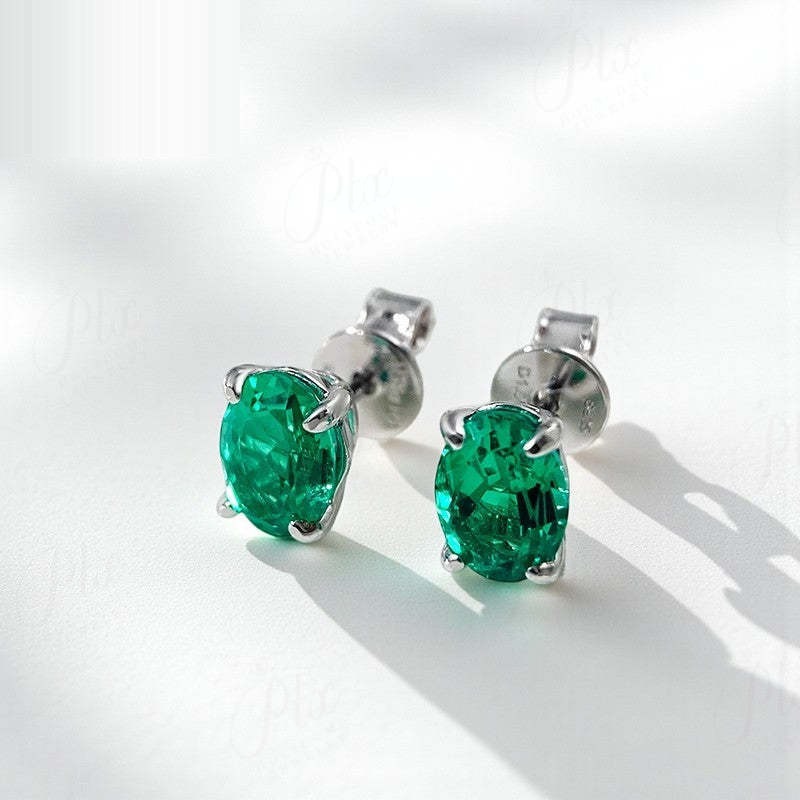
Once a design has been approved as a sample, the factory needs a way to reproduce it in wax again and again. That way is a rubber mold — a reusable negative of the piece into which molten wax is injected. The mold is the bridge between one-off custom work and repeatable production runs. Buyers who understand how molds are made understand why a reorder costs what it does, and why some designs age better in production than others.
What a jewelry mold is made of
Two families are in common use. The traditional choice is a natural rubber compound (often sulfur-cured), which is inexpensive, long-lived, and tolerant of detail. The modern alternative is silicone, which releases cleaner, captures finer detail, and does not require the same curing heat, but costs more and wears faster. Most high-volume production still runs on natural rubber molds because each mold can produce thousands of waxes before detail starts to blur.
Making the mold: the vulcanization step
The approved sample (the "master") is embedded in a stack of uncured rubber sheets inside a steel flask. The flask goes into a vulcanizing press, where heat (typically 150-170°C) and pressure cure the rubber around the master over 15-45 minutes. Vulcanization is the chemical step that turns soft, gooey rubber into a firm, elastic solid. When the flask opens, the master is trapped inside a perfect rubber negative. The vulcanization schedule matters: too hot and the rubber gets brittle, too cool and it stays soft and distorts on the first injection.
Cutting the mold
Fresh out of the press, the mold is a solid block with the master inside. A mold maker slices it open with a sharp scalpel along carefully planned cut lines, freeing the master without cutting across detail. The cut lines follow hidden surfaces — inside a shank, under a basket — so the mold parting line does not show on the visible wax. A well-cut mold leaves an almost invisible seam; a badly cut one leaves a flash that must be trimmed off every wax. Good mold cutters are among the highest-paid bench staff in a casting shop.
Injecting wax
The cut mold is reassembled in a clamp, and molten injection wax (usually a hard blue or red formulation) is forced in under air pressure. A few seconds later the mold opens and a perfect wax replica drops out. The wax is cooled in water to set. One mold can be injected thousands of times before the rubber fatigues and the details start to round off. When detail loss shows, the mold is retired and a new one is cut from a fresh master.
What reduces mold life
- Thin, sharp details: prongs and delicate filigree wear fastest in the rubber.
- Sharp undercuts: the mold has to stretch to release, which accelerates tear.
- Hot wax over many cycles: rubber slowly degrades; production molds are retired on a schedule, not just when they fail.
- Over-clamping: too much pressure distorts the mold and the waxes.
When silicone makes sense instead
Natural rubber is the workhorse, but silicone earns its place for specific jobs. Silicone does not require heat curing, which means you can mold around a master that cannot tolerate heat — a stone-set piece, a vintage original, a piece with existing solder. It also releases more cleanly, which is useful for very undercut designs where natural rubber would tear on release. The tradeoff is shorter mold life and slightly higher cost per mold. Factories that do a lot of one-off custom work keep silicone on hand for those jobs; production runs on natural rubber because it is cheaper per pull.
Owning your master and your molds
This is the commercial angle most buyers miss. When a factory cuts a rubber mold from your approved sample, who owns that mold? The answer is usually in the fine print of the supplier agreement. If the factory owns it, you are locked into reordering through them — they can raise prices or delay runs, and you have no leverage. If you own it, you can ship it to another factory for a competing quote. A simple clause — "buyer owns all molds cut against approved samples; factory may retain one production copy" — protects you. At the end of a run, ask for the mold back. It is a physical asset you paid for, and shipping a mold across town is far cheaper than cutting a new one.
What this means for buyers
A design with thick, smooth surfaces molds easily and cheaply. A design with ultra-fine filigree, sharp corners, and exposed prongs wears molds quickly, which raises per-piece cost. Buyers preparing a design for production should ask the factory two questions: how many pulls will this mold yield at our run size, and do we own the mold after the order? Molds cost real money to cut, and ownership on paper matters if you plan to reorder elsewhere later. A factory that keeps your master mold controls your reorder supply.
For the downstream step once the wax leaves the mold, our walkthrough of lost-wax casting for buyers picks up the process from treeing onward.
For third-party reference, the Wikipedia article on moissanite details moissanite’s discovery, optical properties and use in jewellery.
Frequently Asked Questions
How do I verify a factory before placing a bulk order?
Request a production video, business license, export records and a paid sample run. A factory that accepts a 50-piece test order is usually a real manufacturer.
What payment terms do you offer?
30% T/T deposit with the balance against the bill of lading. This protects both sides on first orders and can move to net terms after a track record.
What is your normal reject rate?
3–5% under 10x loupe inspection for cast and set pieces. Defective units are replaced free in the next shipment.
Where is the factory located?
Wuzhou, Guangxi, China—the core lab-grown and moissanite manufacturing cluster. Shipments go via Guangzhou or Shenzhen ports.


