Customers bring in a ring and ask for "a cleaning" or "a tighten." The ticket that comes back from the bench is usually more involved, because the repair that looks small on the surface often hides a step that has to happen underneath. Knowing what a repair actually is—what the bench does, what it costs, and what can go wrong—helps buyers price repair services correctly and set honest expectations with customers.
Ring sizing: up and down are different jobs
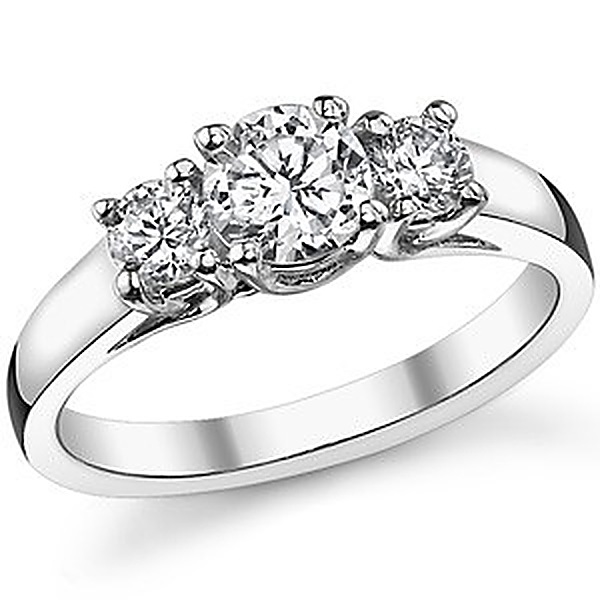
Sizing a ring down involves cutting the shank, removing a small section, and soldering the ends together. Sizing up involves adding a section of matching metal and soldering that in. Both require the surrounding area to be cleaned, re-finished, and re-plated if the ring is white gold. A ring with stones near the bottom of the shank is harder to size because heat from the torch can travel down the shank and shock the stone; the bench has to heat-sink the stone or remove it first. That is why sizing a pavé band costs more than sizing a plain band.
Prong retipping
Over years of wear, prong tips wear thin from friction against desks, pockets, and other rings. A thin tip catches on fabric and eventually the stone comes loose. Retipping means cutting the worn tip off, welding or soldering a small bead of matching metal on, and reshaping the prong to close over the girdle. A single retip is a quick bench job; a full solitaire with six worn prongs is a half-hour to an hour, and the bench has to re-polish around the stone so the repair does not show.
Stone tightening and replacement
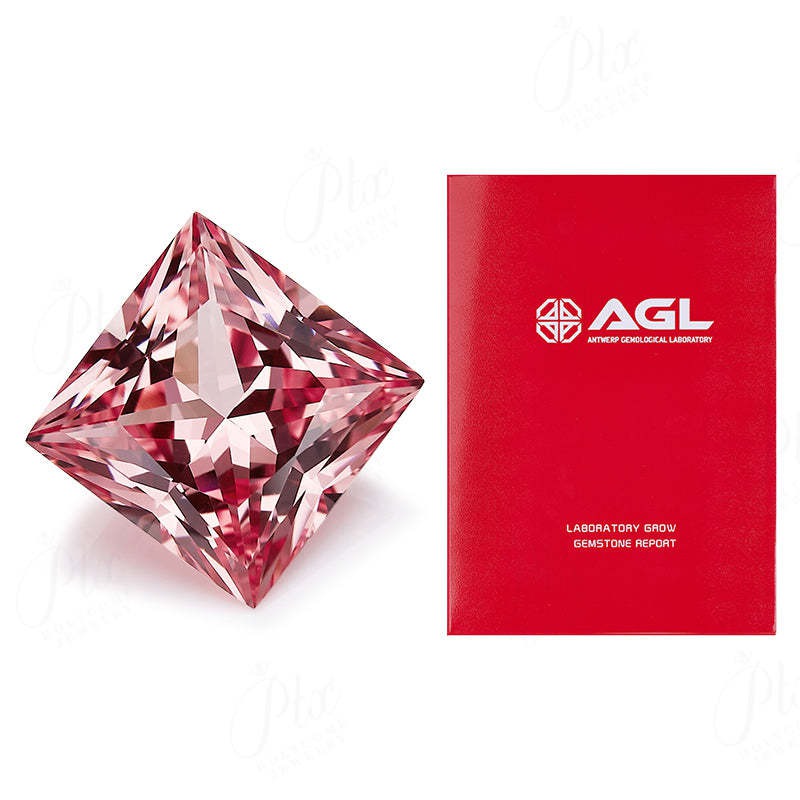
A stone that rattles in its seat needs the prongs or the bezel closed back down. Tightening is fast. Replacing a chipped or missing stone means sourcing a matching stone—same carat, same color grade, same cut—because a replacement that reads slightly different on the hand is a repair that fails. Melee replacements are stocked in common sizes; fancy-color stones often have to be sourced, which is why that repair takes a week rather than a day.
Rhodium replating
White gold yellows over one to three years of wear as the rhodium layer wears through. Replating is a clean, electroplate, and polish sequence. It is fast and cheap, but it is not permanent, and the customer should be told that. A ring that comes back yellow after six months is a normal replate cycle on a daily-wear piece, not a defect.
Restringing and chain repair
Bracelets and necklaces on thread or elastic need restringing as the cord stretches and wears. A pearl restring is knotted between beads so one broken cord does not spill a strand. Chain repair—soldering a broken link, replacing a jump ring, re-attaching a clasp—is small but requires a steady hand and matching chain gauge. A chain that is too thin to solder (most fine cable chains under 0.8 mm) has to be replaced at the broken section rather than repaired invisibly.
Repairs that cannot be done
Not every damaged piece is worth fixing. A shank that has cracked all the way through under a pavé row is sometimes cheaper to rebuild than to solder, because the surrounding stones have to come out anyway and the metal is work-hardened beyond a clean joint. A chain that has broken at the clasp end of a fine cable chain often needs the whole section replaced rather than soldered. A stone that is fractured through the pavilion cannot be re-set—it has to be replaced. The honest repair shop tells the customer when a repair will cost more than the piece is worth, and suggests replacement instead. That conversation is uncomfortable in the moment but keeps the customer for the next purchase.
Appraisal and insurance after repair
A ring that has been resized, re-tipped, or re-plated should be re-appraised if it is insured. The replacement value has not changed, but the insured condition has. Most policies ask the holder to notify the insurer of material repairs; a large repair that is not reported can complicate a future claim. For retailers offering repair as a service, including a short note with the returned piece—a list of what was done—helps the customer update their paperwork and keeps the relationship clean.
What to ask the repair shop
- Is the quote an estimate or a fixed price after inspection?
- Will the repair require re-finishing or replating, and is that included?
- How long is the turnaround, and what is the rush option?
- Do you warranty the repair, and for how long?
A shop that inspects first and quotes after is the shop doing the work correctly, because a ring that looks like a clean retip may hide a cracked shank underneath. For retailers building a repair program with our jewelry repair bench, we send back both the repaired piece and a short note on what we found, so the customer hears the full story from the person who sold them the ring, not from a bench they never see.
The Wikipedia article on rhodium explains why rhodium plating is applied to white gold and silver jewellery.
Frequently Asked Questions
How do I verify a factory before placing a bulk order?
Request a production video, business license, export records and a paid sample run. A factory that accepts a 50-piece test order is usually a real manufacturer.
What payment terms do you offer?
30% T/T deposit with the balance against the bill of lading. This protects both sides on first orders and can move to net terms after a track record.
What is your normal reject rate?
3–5% under 10x loupe inspection for cast and set pieces. Defective units are replaced free in the next shipment.
Where is the factory located?
Wuzhou, Guangxi, China—the core lab-grown and moissanite manufacturing cluster. Shipments go via Guangzhou or Shenzhen ports.