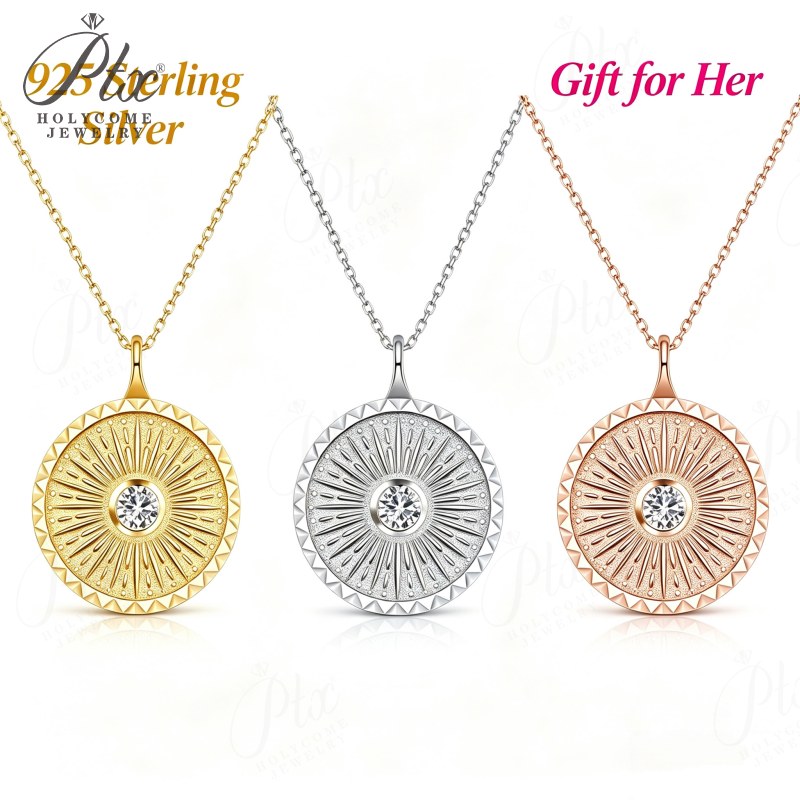
A buyer compared two quotes for the same silver pendant: one at $4.20 per piece, another at $6.80. He almost picked the cheaper one, until he noticed the lower quote omitted the stone, the plating, and the branded box. Once both quotes were apples-to-apples, the $6.80 supplier was actually cheaper. Wholesale jewelry pricing is opaque because each factory bundles different things into the unit. This breakdown shows what a factory unit price is really made of, so you can compare quotes without getting blindsided.
The five components of a unit price
A factory price is not one number — it is five cost layers stacked on top of each other. When a quote looks too low, one of these layers is missing.
| Component | What it covers | Typical share of unit price |
|---|---|---|
| Metal | 925 silver or gold, by weight, at current spot | 25-40% |
| Stones | Moissanite, CZ, or gemstones, by size and cut | 15-35% |
| Labor | Casting, cleanup, setting, polishing by hand | 20-30% |
| Plating & finishing | Rhodium plate, buffing, QC labor | 5-10% |
| Overhead & margin | Factory overhead, tooling amortization, profit | 10-15% |
Metal weight is the component that moves most with market prices. A silver pendant that weighed 4 grams last year may cost more per piece today, even if labor and stones are unchanged. Ask suppliers whether metal is priced at a fixed weight or at live spot — and whether they lock the price for 30 days.
The volume levers that lower unit cost
Because casting setup and tooling are fixed costs, larger orders spread them over more pieces. The effect is predictable:
- Under 100 pcs: you pay near-tool price. The factory recovers setup on a small number of units, so the per-piece cost is high. Use this tier for testing, not for scaling.
- 100-500 pcs: the sweet spot. Setup is amortized, bench time is still efficient, and unit cost typically drops 15-25% versus the under-100 tier.
- 500-2,000 pcs: dedicated bench space and combined stone parcels push the cost down another 10-15%. This is where repeat private-label orders live.
- 2,000+ pcs: tooling fees are often waived entirely, and the factory can order metal and stones at bulk rates. Negotiate the metal surcharge clause at this tier.
What to ask when comparing quotes
Before you accept a quote, pin down the four things that quietly differentiate cheap from expensive:
- What metal weight is assumed? A 3.5g pendant and a 5g pendant look identical on a render. Weight is cost.
- Are stones included, or stones-on-consignment? Some quotes set your stones; others expect you to send them.
- What plating thickness is quoted? 0.3µm and 0.5µm rhodium are both sold as "rhodium plated," but the latter lasts nearly twice as long.
- Is packaging included, or priced separately? Boxes, cards, and poly bags can add $0.50-$1.50 per unit if not built into the quote.
Pricing guidance by buyer profile
First-time buyers testing a market: accept a higher unit price on a 50-100 pc test run. Treat it as market research, not a margin play. Reorder at 300+ pcs once the style sells.
Growing boutiques: combine 3-5 styles into one PO in the 200-500 pc band. Shared casting setup brings each style's effective cost down without you committing to 1,000 units of one SKU.
Established brands with annual forecasts: negotiate a blanket price locked for the season, with a transparent metal surcharge formula. This protects both sides when silver spot moves.
Frequently Asked Questions
Why is one factory's quote 30% cheaper than another's?
Usually the difference is a missing layer: lighter metal weight, thinner plating, unincluded stones, or no packaging. Ask for an itemized quote with metal weight, stone spec, plating thickness, and packaging listed separately. The apples-to-apples gap usually shrinks to single-digit percentages.
Does the factory price metal at live spot or a fixed rate?
Most factories price metal at a stated weight and a fixed rate for 30 days from the quote. For larger orders, ask for a metal surcharge clause tied to the daily silver or gold spot, so neither side eats a sudden price swing.
Are tooling fees included in the unit price?
Tooling (CAD, 3D patterns, stamps) is usually a separate one-time fee. On larger repeat orders, many factories credit or waive tooling. Ask whether the fee is deductible on your second order.
Does larger order size always lower unit cost?
Up to a point, yes. Beyond roughly 2,000 pieces per style, the marginal savings flatten out because metal and stone costs are market-priced and cannot drop further. The biggest gains happen between 100 and 500 pieces.
What is a realistic margin for a boutique buying wholesale?
Retail jewelry typically prices at 2.5-3.5x the landed wholesale cost. That margin covers rent, staff, returns, and marketing. If your wholesale price leaves you below a 2x retail target, the supplier or the design needs revisiting.
Takeaways
- Compare itemized quotes: metal weight, stones, plating, packaging — not just the bottom line.
- The biggest unit-cost drop happens between 100 and 500 pieces.
- Lock metal pricing for 30 days and ask for a transparent surcharge formula on large orders.
- Treat first-run pricing as a test cost; reorder at volume once the style proves out.
Want an itemized quote on your designs? Send your specs and target quantities — we break out metal, stones, labor, and packaging line by line. See how pricing maps to our private label program, read our buying guides, or browse the stock catalog.
The Wikipedia article on rhodium explains why rhodium plating is applied to white gold and silver jewellery.


