The kitchen is, statistically, where our bench sees the most everyday jewelry damage. Not the gym, not the garden, not the beach. The kitchen. A ring knocked against the edge of a cast-iron pan, a diamond loosened by dishwater grease, a pearl necklace dulled by lemon juice — these are the quiet culprits that send clients in with a piece they thought was just fine. Here is what is actually safe, what is not, and the small habits that will keep your rings looking right for decades.
The three things that harm jewelry at the stove
We group kitchen threats into three buckets. Heat matters most for stones that are sensitive to rapid temperature change — emerald, opal, tanzanite, and any heavily included stone. A hot oven rack is not an immediate problem, but a sudden change in temperature can open a fissure that was not visible when the stone was set. Chemicals are the second bucket: lemon juice, vinegar, wine, and even strong dish detergents are mildly acidic, and acids attack soft solder, dull pearl nacre, and cloud the polish on gold. Mechanical impact is the third — a ring against a granite counter, a knife handle, the rim of a blender jar. This is how prongs bend and stones chip.
What is actually safe
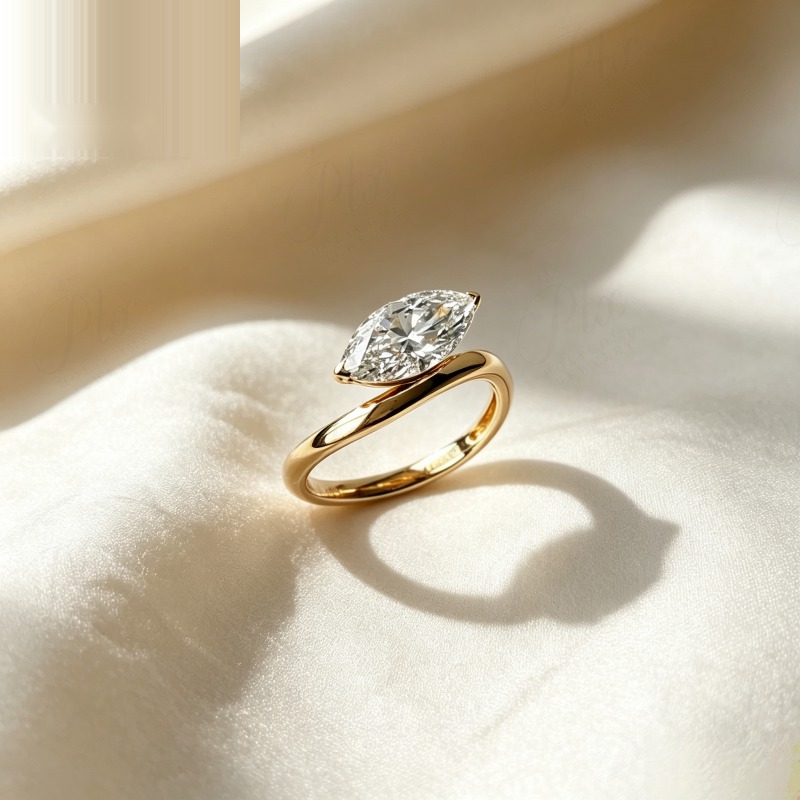
Wearing a plain gold band while you cook is almost always fine. Gold is inert, it tolerates normal kitchen heat, and a simple band has no prongs to catch. A platinum wedding band is equally safe. A diamond solitaire, worn for light cooking — stirring a sauce, chopping vegetables — is also fine. Diamonds are the hardest natural substance on earth and they are unaffected by acids, heat, or normal kitchen impact.
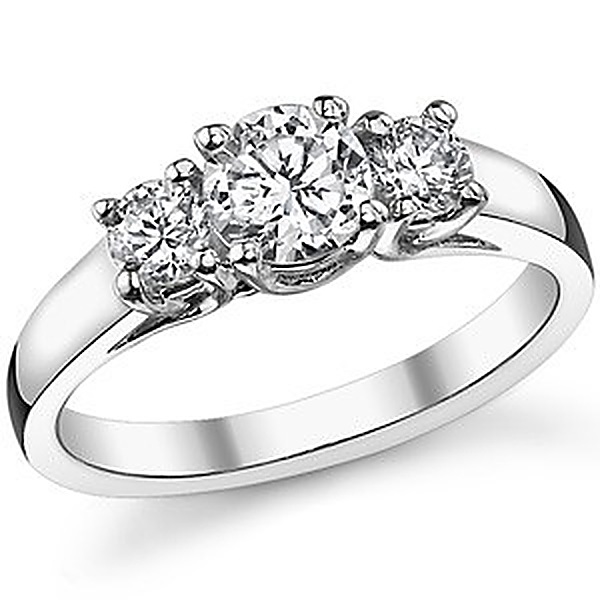
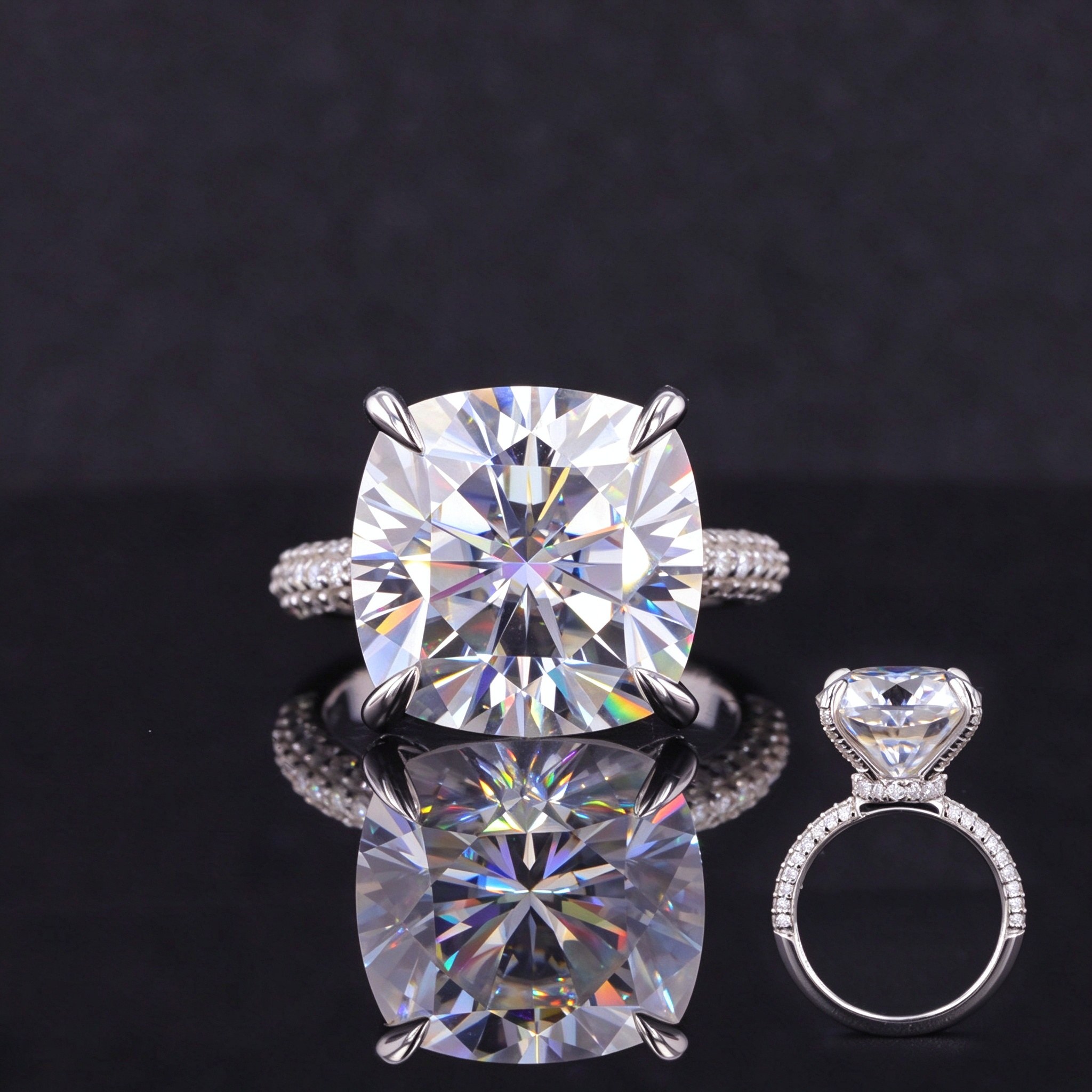
The trouble starts when the piece is more delicate. A bezel-set colored stone, a pavé band with small diamonds held in by tiny beads, a pearl strand, an emerald ring with surface-reaching fissures — these are pieces that should come off before a long cooking session.
The dishwasher myth
We are asked at least once a week whether a ring can go through the dishwasher. The answer is no, and not because the water is hot. The problem is the detergent. Dishwasher powder is highly alkaline, and over repeated cycles it can cloud gold, strip the lacquer off costume pieces, and — worst of all — work its way under a stone that is slightly loose, where it dries into a white crust that accelerates rattling. Rings also slip off wet hands next to the sink and vanish into the drain. We have recovered a surprising number from plumbing traps.
The habit we recommend is a small dish by the sink. Rings, earrings, and necklaces go into the dish the moment you walk into the kitchen, and they come back on when you walk out. It takes three seconds and saves a lot of bench visits.
Pearls, emeralds, and the stove
Pearls deserve their own paragraph. The nacre on a pearl is organic, and acids — lemon, vinegar, wine, even the acid in some tomatoes — will etch it over time. Heat dries it out, and perfume or lotion builds up on the surface. If you cook in pearls, put them on after the food is plated. Wipe them with a soft cloth before you put them away. Do not spritz them with anything.
Emeralds are oiled. The oil stabilizes internal fissures. Kitchen heat and steam can leach that oil out, leaving the stone looking more included than it did when you bought it. An emerald ring is a restaurant and gallery ring, not a baking ring.
Baking and flour dust
Baking looks gentler than stovetop cooking, but it has its own issue: flour and powdered sugar work into pavé settings, between prongs, and under stones. They are not corrosive, but they are hygroscopic — they hold moisture against the metal, which can speed tarnishing in silver and leave a faint haze in gold. A five-second rinse under warm water after baking, followed by a soft brush through the pavé, is enough. We do not recommend putting a pavé ring in an ultrasonic cleaner on a regular schedule, because the small stones are held by tension and beads, not by prongs.
The takeaway
You do not need to stop wearing your favorite ring to make toast. The habit is simple: know your piece. A plain band stays on. A solitaire stays on for light work. Anything with a colored stone, pavé, pearls, or intricate detail comes off before a long cooking session and goes into the dish by the sink. For more on the chemical side, our guide to chemical exposure and your jewelry goes deeper into the specific household products to keep away, and our gold jewelry care guide covers the regular cleaning schedule that keeps kitchen haze off your pieces.
For third-party reference, the Wikipedia article on moissanite details moissanite’s discovery, optical properties and use in jewellery.
Related reading: How to Care for Opal Jewelry: Moisture, Heat, and Gentle Cleaning, Travel Jewelry Care: Keeping Pieces Safe on the Road, Jewelry Care for Active Lifestyles: Durability and Maintenance.
Frequently Asked Questions
What care instructions should I give end customers?
Remove jewelry before swimming, cleaning or applying perfume. Store dry in a sealed bag. Clean with mild soap and a soft brush, then dry fully.
How often does rhodium plating need renewal?
Every 12–18 months under daily wear. Offer a re-plating service to your customers to build repeat visits.
Does chlorine damage sterling silver?
Yes. Chlorine and saltwater accelerate tarnish and can pit the surface. Rinse and dry immediately after any contact.
What causes green skin marks?
Copper or nickel in the base alloy reacting with sweat. Switch to 316L, titanium or sterling, and specify nickel-free plating.