Direct Answer: What Decides a Inside the Atelier Supplier
Direct Answer: the seven checks that decide whether a inside the atelier supplier survives your first bulk order are factory ownership, the written spec, certificate scope, sample-to-bulk consistency, reorder mechanics, defect ownership and the dock check. Everything else on a supplier page is presentation. Run them in that order and you will spend about four hours before a deposit instead of four weeks after a shipment.
Scorecard First, Then the Checks
The table is a first pass, not a substitute for the seven checks. It moves a candidate into sampling, into verification, or off the list. Use it on two or three suppliers in the same afternoon so the comparison is made against the same standard rather than against memory, the detail a 400-piece run of inside the atelier is judged on.

| Check | Pass | Verify further | Reject |
|---|---|---|---|
| Factory ownership | Owns casting, setting and finishing; states monthly output and bench count | Owns two of the three stages | Broker with no floor, or refuses a video walk-through |
| Written specification | Mm size, tolerance, plating micron, stone grade range on the quote | Spec exists but only for the sample | Quotes from a photo and calls the rest standard |
| Certificate scope | Per-stone report above the stated carat, batch report below it | Batch report only, no laser numbers | No report, or an unknown laboratory |
| Sample to bulk | Retained reference piece plus go/no-go gauge per size | Reference piece kept, no gauge | Sample made by hand, bulk made by shift |
| Reorder mechanics | Reorder days stated, price ladder stated, mixed designs allowed | Reorder days stated verbally | New quote on every repeat order |
| Defect ownership | Credit or replace inside one cycle, assay split written down | Case by case after photos | Buyer pays return freight on every claim |
| Dock check | Packing list carries SKU, size, stone size, tray count | Packing list carries SKU only | Carton arrives with a commercial invoice and nothing else |
Any row marked Reject is a stop, not a negotiation. Any row marked Verify is one email away from a Pass, and that email is cheap compared with the cost of learning the same fact from a returned carton, a detail that decides the reorder on inside the atelier at USD 38-210.
Running the Seven Checks
1. Who owns the casting floor for inside the atelier
Ask for the address of the floor that casts the inside the atelier, the monthly output in pieces, and the number of setters on the bench. A factory answers in numbers. A trader answers with a certificate of incorporation and a promise to check. Then ask for a fifteen minute video walk-through at the start of a shift, not a marketing reel. Half of the suppliers that pass the first question fail the second.
Good looks like a named plant, a monthly figure you can sanity-check against your own order size, and a walk-through where you can see trays of inside the atelier in process with the gauge sheet beside them. We cast and set in Wuzhou, Guangxi, at roughly 60,000 pieces a month, and the walk-through is scheduled on your calendar rather than ours.
2. What the spec sheet states about the inside the atelier
Send one line: mm size, tolerance, metal, plating thickness in microns, stone grade range, sizing band and finish. A competent supplier returns the same seven lines with numbers filled in and a note on which of them move the price. A supplier that returns a price and a delivery date has answered a different question, which on a 400-piece run of inside the atelier is the number the order carries.
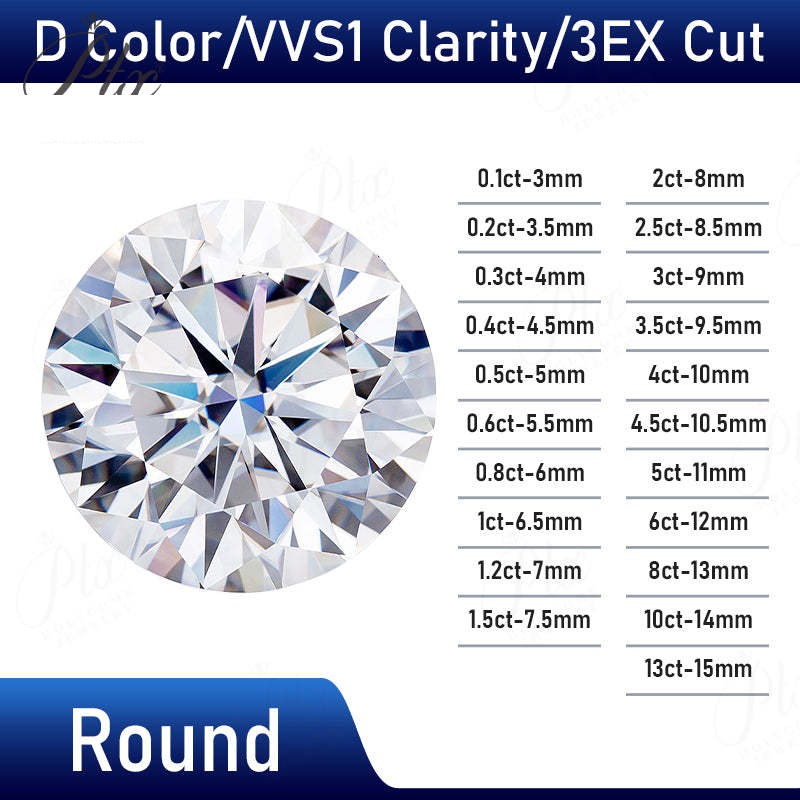
Good looks like a reply that adds a tolerance you did not specify, because the factory already knows where a inside the atelier drifts. Ours states stone size to 0.05 mm, sizing drift under 0.15 mm across the run, and rhodium at 0.20 micron minimum, with vermeil logged at 3 microns per lot.
3. What the certificate actually covers
Ask which laboratory issues it, whether the report is per stone or per parcel, and whether the number is verifiable against the laser inscription on the stone in your hand. Certificate scope is where honest suppliers and careful suppliers separate from optimistic ones, the detail a 400-piece run of inside the atelier is judged on.
Good looks like GRA on the inside the ateliers above the threshold stated on the quote, a batch report plus per-piece measurement of stone retention after a 40-cycle wear test below it, and a supplier who expects you to check the number online before you pay. If a supplier discourages verification, the report is decoration.
4. Whether the sample and the bulk run share a line
Ask who made the sample, on which shift, and whether the retained piece is kept after approval. Then ask what gauge is used at final inspection and who signs the tray. This is the single check that predicts a colour or size complaint six weeks later, a detail that decides the reorder on inside the atelier at USD 38-210.
Good looks like a retained reference piece photographed beside a production piece from the same tray, a go/no-go gauge on every size, and a named inspector per lot. Our reject rule hangs on that retained piece: if the difference appears on it, we own the tray, a detail that decides the reorder on inside the atelier at USD 38-210.
5. How a reorder of inside the atelier is priced
Ask for the reorder days and the price ladder in the same reply: what a 50-piece repeat costs, what a 200-piece repeat costs, and whether mixed designs travel in one shipment. A supplier that re-quotes from scratch on every repeat has no cost model, only a negotiating position, the same figure we quote on inside the atelier at USD 38-210.
Good looks like a written ladder and a repeat window that is shorter than the first run, because the model and gauge already exist. Ours runs 12 to 15 days on a repeat against 15 to 20 on a first bulk, and minimum order stays at 50 pieces per design with designs mixed inside one shipment, the same figure we quote on inside the atelier at USD 38-210.
6. Who owns a rejected tray
Ask what happens when a tray fails on a return shipment plus a resize labor claim, typically USD 9-14 per piece: who pays the return freight, whether credit is issued inside the same order or against the next one, and what evidence is required. The answer tells you whether the quote included a quality reserve or not, which on a 400-piece run of inside the atelier is the number the order carries.
Good looks like a rule in writing before the deposit: replace or credit inside one cycle against the retained reference, assay cost split when the difference appeared in transit, and a claim window that does not depend on how busy the season is, which on a 400-piece run of inside the atelier is the number the order carries.
7. What the carton says at the dock
Ask for a sample packing list. It should carry SKU, size, stone size and tray count, because receiving counts from paper before it opens boxes. Then ask what the velvet pouch and mailer actually is, and whether the print run for a private-label carton is quoted separately, the detail a 400-piece run of inside the atelier is judged on.
Good looks like a packing list a warehouse can reconcile in ten minutes, a velvet pouch and mailer that survives a courier, and a print approval that happens before the bulk run rather than after it. We hold one retained carton as the pack reference for every reorder, the detail a 400-piece run of inside the atelier is judged on.
Red Flags That End the Conversation
- Prices twenty percent under the prevailing band with no explanation of what changed in the metal or the stone. There is always a line that moved, and it is never the one they mention.
- A certificate from a laboratory you cannot find, or a batch report offered as cover for a per-stone claim. Both are cheap to produce and impossible to defend at customs.
- Refusal of a video walk-through, or a walk-through that shows finished goods only and no bench. Finished goods prove inventory; the bench proves capability.
- Reluctance to keep a retained reference piece, or a claim that every run is identical. Every run is identical only for a supplier that never measures one.
- A quote that moves on the second email without a spec change, and a reorder price that arrives as a new negotiation. Both signal a cost model built per customer rather than per piece.
- Return freight pushed onto the buyer on every claim. That clause is cheaper to negotiate before the deposit than after the first rejected tray.
None of these are exotic. Each one is a supplier telling you, in advance, which part of the order it does not control. The useful move is to write the answer into the purchase order rather than into a note, which on a 400-piece run of inside the atelier is the number the order carries.
What a Skipped Check Costs on inside the atelier
A rejected tray on a 200-piece inside the atelier run at USD 38-210 per piece is about USD 1984 to USD 3720 in pieces, plus the return freight and the reship. Four hours of vetting is cheaper than one of those, and a first order usually produces more than one.
Air freight to recover a missed season runs roughly four to six times the ocean rate on the same carton. One expedited 400-piece shipment can cost more than the entire margin on the order, which is why lead time is a vetting question and not a logistics question, a detail that decides the reorder on inside the atelier at USD 38-210.
Mix a bulk run with an uncertified lot and the cost is not the credit note, it is the listing. One delisted ASIN or one chargeback on a marketplace takes the margin off several orders, and the evidence pack you needed was the one nobody asked for, the same figure we quote on inside the atelier at USD 38-210.
Frequently Asked Questions
Which check matters most for inside the atelier?
Factory ownership and sample-to-bulk consistency, in that order. The other five are recoverable with paperwork; those two decide whether there is a factory to hold accountable when the tray fails, which on a 400-piece run of inside the atelier is the number the order carries.
Can a trader pass these checks?
A trader can pass five of the seven if it names the factory behind it and lets you reach the bench. The rows it cannot pass are ownership and reorder mechanics, because it does not control either, the detail a 400-piece run of inside the atelier is judged on.
How long does the vetting take?
About four hours of email across two suppliers, plus one video call. Sampling adds three to five days, and the sample itself settles most of the remaining doubt, a detail that decides the reorder on inside the atelier at USD 38-210.
What if the supplier answers two of the seven and ignores the rest?
Take the two answers and price the risk. A supplier that will not state a tolerance or a claim rule is quoting a number with an undefined scope, and that number is not comparable with one that is defined, the same figure we quote on inside the atelier at USD 38-210.
Do you accept a third-party audit instead of a walk-through?
Yes, if the audit is recent, covers the casting and setting floors, and names the lots sampled. An audit of finished goods only is a photograph with a stamp on it, which on a 400-piece run of inside the atelier is the number the order carries.
Next Step
Send the seven answers you already have and the three you do not, and the reply comes back with the gaps filled in writing, plus a video walk-through slot and two references rather than a brochure, the detail a 400-piece run of inside the atelier is judged on.
HOLYCOME is the export brand of Wuzhou HengliLai Jewelry Co., Ltd., in Wuzhou, Guangxi, since 2009. The plant runs about 60,000 pieces a month across inside the atelier and adjacent lines, with casting, setting, polishing and plating on one site rather than split across vendors. The trade desk answers at service@holycome.com or WhatsApp +86 18078079070, usually inside one working day.
Related reading: Stones & Materials Vermeil Upgrade: Sample to Container: The Real Calendar - HOLYCOME Stones & Materials Valentine Program: The Reject Tray Policy That Decides a Partnersh - HOLYCOME


