A bespoke ring quote can look like a number with no visible parts. Yet the price is not arbitrary — it is built from a handful of components that anyone can understand. Knowing what goes into a quote helps you budget confidently, compare makers fairly, and decide where to invest and where to save. Here is exactly how we price a made-to-order ring, line by line.
The Metal: Weight and Karat
The first component is the precious metal itself. Gold and platinum are priced partly by weight, and weight depends on the ring’s size, width and whether the band is solid or lightweight. An 18K gold band uses more and pricier metal than a 14K band; a platinum band costs more still. This is why two rings with the same design can differ in price — the metal weight and purity are real, measurable costs.
The Stones: Size, Grade and Number
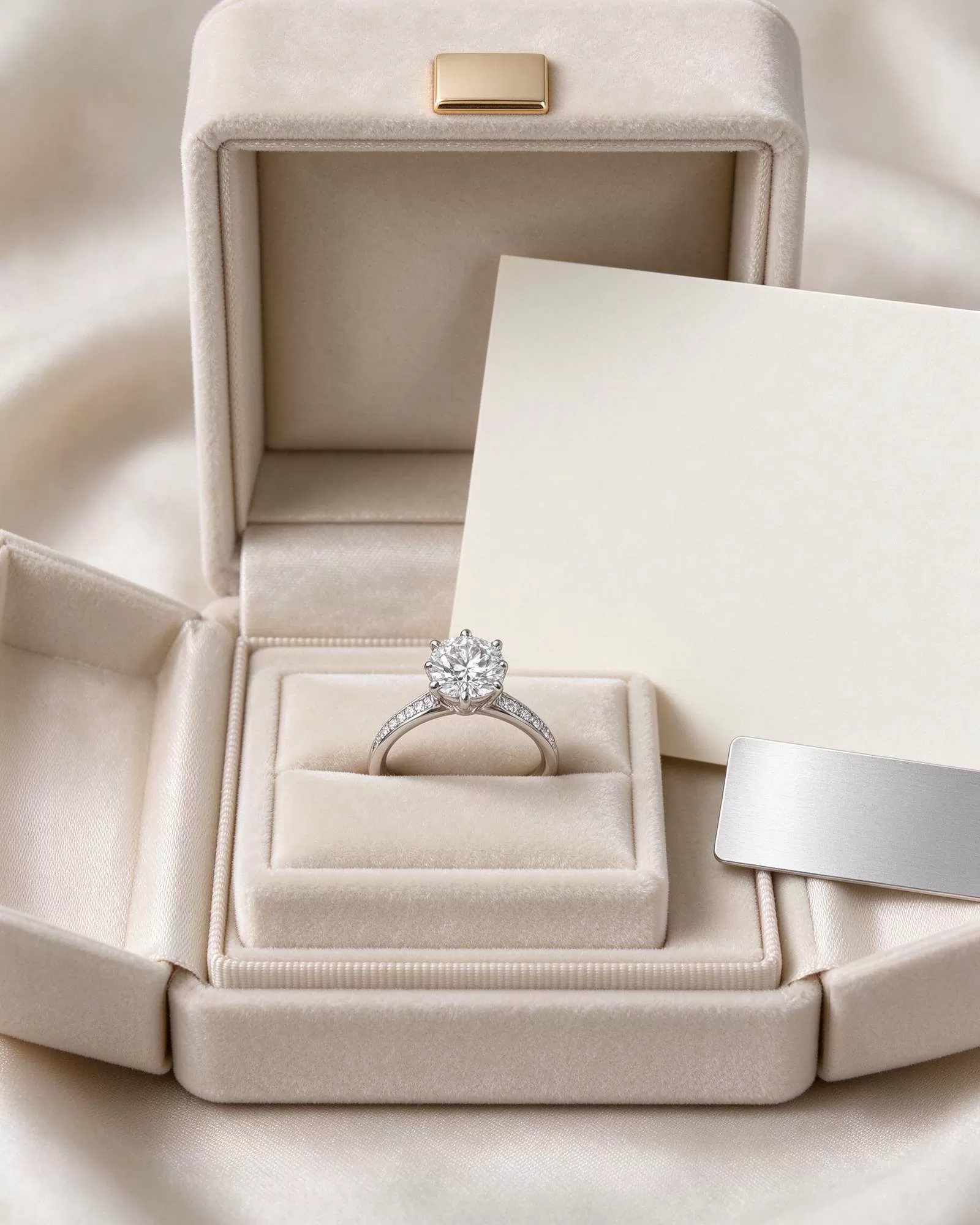
Next comes the stone or stones. A single center stone is priced by its carat, color, clarity and cut. Accent stones in a halo or pavé setting add cost for both the stones and the labor of setting many small diamonds. Moissanite and lab-grown diamonds lower the stone cost significantly compared with fine mined diamonds, which lets you invest more in the setting. Choosing a slightly lower color grade for side stones is an easy way to save without a visible difference.
The Labor: Design, Casting and Setting
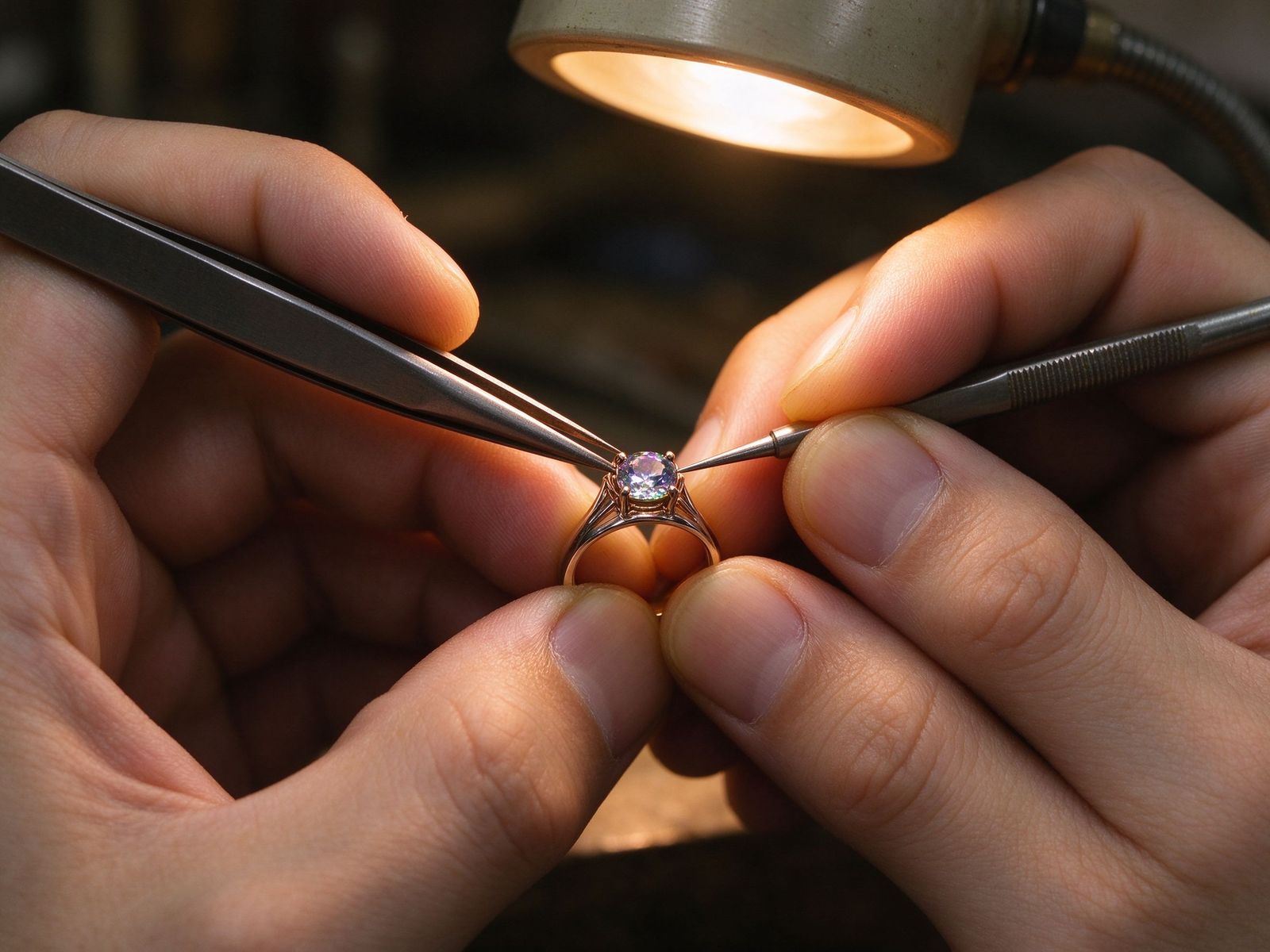
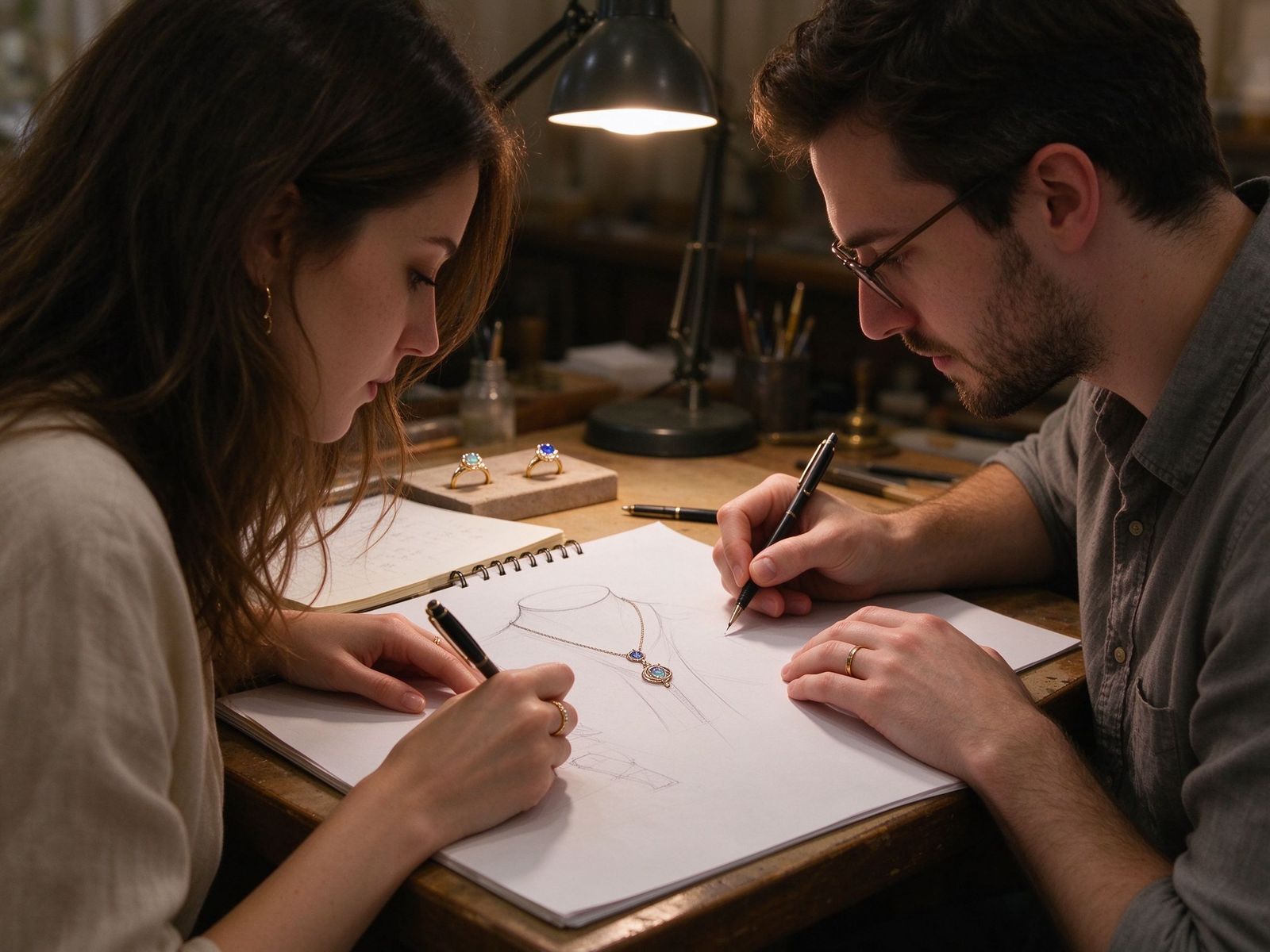
Behind every ring are skilled hands: the CAD designer, the caster, the stone setter, the polisher. Complex settings — halos, pavé, filigree — take far longer to set than a simple solitaire, and that labor shows in the price. A clean, simple design is the most affordable way to go bespoke; intricate details are what push the cost up. This is also why a maker’s experience matters: faster, cleaner labor reduces errors and rework.
Why a Clear Quote Protects You
A good quote breaks these components out so you can see what you are paying for. Vague “starting from” numbers often exclude the center stone or the preferred metal, then surprise you later. When you ask us for a quote, we specify the metal weight, the stone grade and the design complexity, so there are no hidden additions. You can read more about how we work end to end on the process page, and compare our finished work. Ready for a number? Send us your idea and budget — we will break it down honestly.
Frequently Asked Questions
Why is bespoke more expensive than a ready-made ring? It includes one-off design and hand labor; mass production spreads those costs.
Where can I save? Choose moissanite or lab diamonds, simplify the setting, and pick side stones in a slightly lower grade.
Is the deposit part of the price? Yes — the deposit comes off the final balance.
Can I change the design after the quote? Before casting, yes; changes after casting mean new cost.
What Changes the Quote Before and After Casting
Understanding when costs change helps you budget. Before casting, adjustments are cheap and flexible — changing the band width, swapping the stone shape, altering the finish. These edits happen in CAD and barely move the price. After casting, the metal exists, the stone is set, and changes mean starting over, which is why we lock the design at the approval stage. If your quote seems to rise, it is usually because you have chosen a larger stone, a more complex setting, or a heavier metal — all real material and labor costs, not hidden markups. A transparent maker breaks these out so you can choose where to spend. When you ask us for a quote, we show exactly which components drive the number, so you can tailor it to your priorities rather than guessing.
Good Quotes Make Budgeting Easier
A clear quote does more than set a price — it helps you decide what matters. Once you see that the center stone is half the cost and the setting is the other half, you can choose: a bigger stone on a simpler band, or a modest stone in an elaborate setting. That freedom is the whole point of bespoke. You are not buying a fixed package; you are allocating your budget toward the parts that matter most to you. When the numbers are transparent, the decision feels exciting rather than stressful.
What Changes the Quote Before and After Casting
Understanding when costs change helps you budget. Before casting, adjustments are cheap and flexible — changing the band width, swapping the stone shape, altering the finish. These edits happen in CAD and barely move the price. After casting, the metal exists, the stone is set, and changes mean starting over, which is why we lock the design at the approval stage. If your quote seems to rise, it is usually because you chose a larger stone, a more complex setting, or a heavier metal — all real material and labor costs, not hidden markups. A transparent maker breaks these out so you can choose where to spend.
When you ask us for a quote, we show exactly which components drive the number: the metal weight, the stone grade, the setting complexity. This lets you tailor the design to your priorities rather than guessing. If a number feels high, we can adjust — simplify the setting, choose a slightly lower stone grade, or lighten the band — and show the new quote. Good quoting is a conversation, not a fixed number. It should help you decide, not box you in. Read more about our approach on the process page, and send us your idea for a clear breakdown.
Good Quotes Make Budgeting Easier
A clear quote does more than set a price — it helps you decide what matters. Once you see that the center stone is half the cost and the setting is the other half, you can choose: a bigger stone on a simpler band, or a modest stone in an elaborate setting. That freedom is the whole point of bespoke. You are not buying a fixed package; you are allocating your budget toward the parts that matter most to you. When the numbers are transparent, the decision feels exciting rather than stressful. We would rather you understand every dollar than wonder where it went.