The most common repair that walks into our shop is "I don't know how it happened." A stone fell out of a prong setting, a chain broke at the jump ring, a post snapped on a favorite earring. In almost every case, the failure was visible weeks or months earlier to anyone who knew what to look at. You do not need a loupe or a microscope. You need ten minutes and a bright light.

The monthly home inspection routine
Pick one evening a month. Lay your pieces out on a white towel under the brightest light in the house — a kitchen overhead or a desk lamp. Work through the list below. It takes about ten minutes for a normal jewelry box. If you catch something early, the fix is cheap. If you wait, it usually is not.
1. Prongs on rings
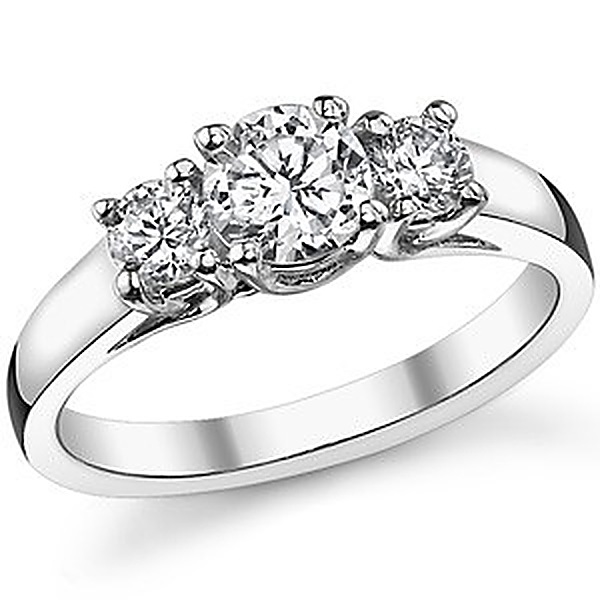
Look at every prong on every ring. Run a fingernail gently along each one. A healthy prong feels smooth and slightly rounded. A prong that catches on your fingernail is bent, worn thin, or broken. A prong that looks flattened to a wafer edge has been worn down by years of hand-washing and friction. Bring it in. We re-tip prongs all day long, and it is a small fix before the stone falls out. Our full guide to prong checks and loose stones goes deeper.
2. Stone tightness
Tap each mounted stone lightly with the handle end of a pair of tweezers or the wooden end of a match. A tight stone gives a dull thud. A loose stone gives a higher, slightly rattling note. If you hear a rattle, stop wearing the piece immediately. A loose stone in a prong setting can fall out the first time you wash your hands.
3. Chain links and jump rings
Run a finger along each chain. Look for links that are stretched, thinned, or visibly open. Pay special attention to the jump ring that connects the clasp to the chain — that is the point where chains usually break. If the jump ring looks open or has a visible gap, do not wear the chain until it is closed and soldered.
4. Clasps
Open and close every clasp a few times. A spring ring that sticks, or that opens under light tension, is on its way out. Lobster clasps should snap shut with a firm click. If the clasp feels weak, replace it before it fails. This is a five-minute repair at the bench and costs almost nothing.
5. Earring posts and backs
Bend each earring post gently. It should feel firm. A post that flexes noticeably is fatiguing and will snap. Check the earring backs: fishhook backs should hold securely, screw backs should not wobble, and rubber backs that have gone hard should be replaced. We keep a jar of fresh backs at the shop and hand them out for free.
6. Mounting wear
Look at the band of rings and the shank of bracelets. Thin spots, flat areas, or visible hairline cracks near the bottom of a ring band mean the metal is wearing through. A ring that has thinned to a knife edge needs a re-sizing or a sleeve before it splits. Catching this early is the difference between a cheap repair and an expensive rebuild.
7. Surface scratches and plating
Look at the overall finish. White gold rings that have gone yellowish at the edges are telling you the rhodium plating is wearing. That is normal and expected; read our rhodium maintenance guide. Deep scratches that catch a fingernail are not just cosmetic — they can hide cracks.
8. Pearls and soft stones
Wipe pearls with a soft cloth after every wear and look for peeling or flaking of the nacre. Pearls that have gone chalky are drying out. String pearls that have never been re-knotted within the last three years should be re-strung; silk stretches and breaks.
9. Soldered joints
On bracelets and rings with soldered details, look for dark lines or gaps at joints. A solder joint that has opened up is visible as a thin dark seam. Do not try to fix it at home.
10. Storage condition
Finally, look at how the pieces are stored. Tarnish on silver, scratches on gold, and tangled chains are all symptoms of a storage problem, not a jewelry problem. Our storage guide fixes the root cause.
What to do when you find something
If you find one of the issues above, stop wearing that piece and bring it to a bench jeweler. Most fixes take a few days and cost far less than the stone you would replace. The goal of the monthly inspection is to keep your "I don't know how it happened" rate at zero. It works. We have customers who have not lost a stone in fifteen years because they spend ten minutes a month on this routine.
The Wikipedia article on rhodium explains why rhodium plating is applied to white gold and silver jewellery.
Frequently Asked Questions
How do I verify a factory before placing a bulk order?
Request a production video, business license, export records and a paid sample run. A factory that accepts a 50-piece test order is usually a real manufacturer.
What payment terms do you offer?
30% T/T deposit with the balance against the bill of lading. This protects both sides on first orders and can move to net terms after a track record.
What is your normal reject rate?
3–5% under 10x loupe inspection for cast and set pieces. Defective units are replaced free in the next shipment.
Where is the factory located?
Wuzhou, Guangxi, China—the core lab-grown and moissanite manufacturing cluster. Shipments go via Guangzhou or Shenzhen ports.