Wholesale Buying Guides: Incoming QC & Pre-Ship Inspection
Words and bench work · HOLYCOME workshop
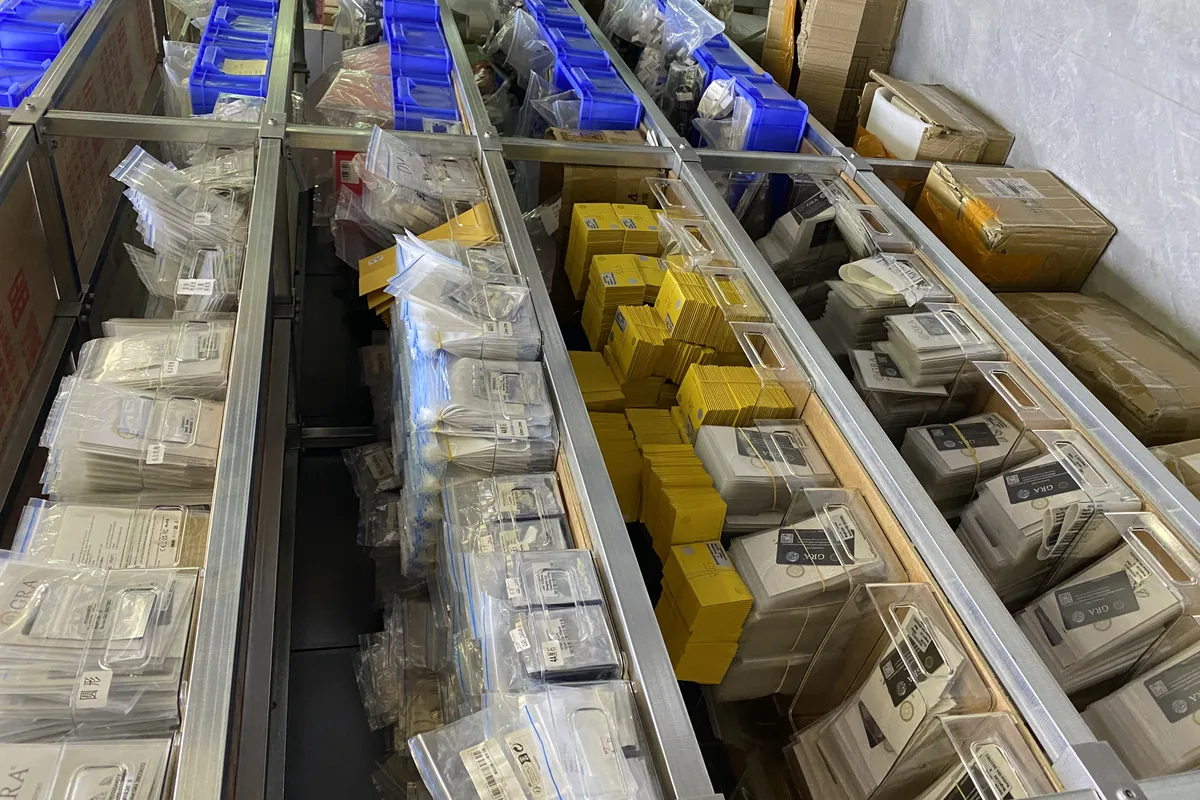
01Why Quality Control Should Shape Your Buying Guides Process
Quality control is the part of wholesale jewelry buying that separates smooth reorders from costly returns, and a good set of Buying Guides should treat it as a core decision rather than an afterthought. For US wholesale buyers sourcing moissanite jewelry, the practical question is simple: how does a supplier catch problems before a carton leaves the factory, and what can you verify yourself before releasing the balance payment?
This article walks through the inspection stages, the documentation to request, and the production timeline that makes each check possible, so you can place orders with a clear picture of what is being checked and when.
02The Three-Stage QC Structure Explained
Reliable suppliers build quality checks into the production flow instead of relying on a single final look. The standard structure runs across three stages, and each one catches a different class of defect. Understanding what happens at each stage helps you ask the right questions before you commit to an order, and it gives you a framework for comparing suppliers who describe their QC in vague terms.
Incoming Material Inspection
Before assembly begins, incoming stones and metals are checked against the order specification. For loose moissanite, this means confirming carat weight, color grade, and cut consistency against what was quoted per carat. For metals, the check confirms that 925 sterling silver is actually sterling and that gold vermeil meets its base metal and thickness requirements.
If a supplier skips this stage, a bad stone lot can end up set into hundreds of finished pieces before anyone notices, and the cost of that mistake lands on the buyer through rework or rejected stock.
In-Process Checks During Production
During stone setting, polishing, and plating, in-process checks catch workmanship issues while they are still inexpensive to fix. A loose prong found mid-production is a minor repair; the same prong found at pre-ship inspection can hold an entire order and push back your delivery window. Ask your supplier how often in-process checks happen and who performs them.
A production line that inspects after each major step will report problems earlier and more honestly than one that saves everything for the end.
Pre-Ship AQL Inspection
The final gate is a pre-ship AQL inspection, an acceptance sampling method widely used in consumer goods. Rather than checking every piece, inspectors pull a statistically sized sample from the finished order and measure defects against agreed acceptance limits. For wholesale jewelry, this is the stage where you should agree in advance on the AQL level, the defect classification (critical, major, minor), and what happens if the sample fails.
Put those terms in your purchase order, not just in an email thread, so both parties share the same definition of an acceptable shipment. A supplier confident in its production will welcome this conversation; one that resists a defined AQL is telling you something about its process.
03What to Verify Before Approving Bulk Production
Your strongest position as a buyer comes before production starts. Once the order is running, changes get expensive, so a few concrete steps protect the order from the beginning:
- Request a sample first; sampling takes 7 to 10 days and lets you inspect stone grade, setting quality, and metal finish in hand before committing.
- Confirm the exact metal in writing: 925 sterling silver, 10K, 14K, or 18K solid gold, gold vermeil, or gold plated. Each carries a different price point and a different customer expectation, and plated or vermeil pieces should never be marketed to your customers as solid gold.
- Ask which grading papers accompany the stones. Graded moissanite typically ships with GRA or IGI papers, and the report number should match the stone it describes.
- Agree on the pre-ship AQL standard and the remedy if the inspection fails, such as rework, replacement, or a credit against a future order.
- Confirm minimums up front: 1 piece for stock styles, 30 pieces for custom work, with loose stones sold by the carat.
Buyers who skip the sample stage often discover finish problems after the 30-piece custom minimum is already produced. Seven to ten days of sampling is the cheapest risk reduction available in this trade, and it also gives you a reference piece to compare against the bulk shipment when it arrives.
04Matching Inspection Milestones to the Production Timeline
Inspection only works when it lines up with realistic lead times. Bulk production runs 15 to 25 days after sample approval, and each QC stage has a natural window inside that range. The table below maps the stages so you can plan your follow-ups and your balance payment around them.
| Stage | Timing | What Is Checked | Your Action |
|---|---|---|---|
| Incoming QC | Before production starts | Stones, metal, findings | Confirm specs in writing |
| In-process checks | During 15 to 25 day run | Setting, polish, plating | Ask for progress photos |
| Pre-ship AQL | Before shipment | Finished goods sampling | Approve before balance |
| DDP delivery | 5 to 8 days to US | Transit condition | Inspect on receipt |
Note how the payment structure aligns with this sequence. Standard terms are T/T with a 30 percent deposit and the 70 percent balance before shipment, which means the pre-ship AQL inspection is your last point of control before funds are released. PayPal is available for sample orders, so the low-risk sampling phase can be handled through a channel that offers buyer protections.
Schedule your balance payment only after you have seen the pre-ship inspection results, not simply on the day production is scheduled to finish.
05Documentation and Paperwork to Request with Every Order
Inspection results mean little without paper behind them. The documents below turn a supplier's verbal assurances into records you can hold onto, reorder against, and show to your own customers.
Grading Papers for Stones
For graded moissanite, request GRA or IGI papers and check that report numbers match the stones received. These documents describe the lab-created stone's color and cut characteristics and give your customers something verifiable at the point of resale. Keep copies organized by order number so reorders reference the same specification.
Inspection Reports and Photos
Ask for a written pre-ship inspection report with sample photos covering stone security, plating consistency, engraving or stamping accuracy, and packaging condition. Photos taken under neutral light are more useful than studio shots. If you have agreed on an AQL level, the report should state the sample size, the defects found, and whether the lot passed.
Metal Confirmation
For 925 sterling silver and solid gold orders, request written confirmation of the metal and any applicable stamps or hallmarks on the finished pieces. This documentation matters when you market the pieces downstream, since describing gold plated or vermeil items as solid gold creates real problems with your retail customers. A one-line confirmation on the invoice costs nothing now and prevents disputes later.
06Practical Decisions That Protect Your Margin
Beyond the inspection stages themselves, a few buyer-side habits determine whether QC actually protects your business. First, inspect on receipt even after a passed pre-ship inspection; DDP delivery to the US takes 5 to 8 days, and checking cartons on arrival keeps transit damage separate from production defects. Second, keep a reference sample from every approved run so future reorders can be compared against an agreed standard rather than memory.
Third, write your defect definitions in plain terms: what counts as a visible inclusion, an uneven plating edge, or an off-center stone. Suppliers and buyers who share precise definitions resolve claims quickly; those who do not argue about them.
Finally, treat inspection intensity as something that scales with order type. A single-piece stock order carries little risk and can move quickly. A 30-piece custom run with specific stone grades deserves a fuller pre-ship AQL and a detailed report. Loose stone purchases sold by the carat should be weighed and matched against GRA or IGI papers on receipt. Matching your diligence to the order size keeps your own overhead reasonable while still covering the orders where problems would hurt most.
Order Terms for Wholesale Buyers
MOQ is 1 piece for stock styles and 30 pieces for custom work, and loose stones are sold by the carat. Sampling takes 7 to 10 days, and bulk production runs 15 to 25 days after the sample is approved. Pricing is quoted per piece or per carat depending on the item. Payment is T/T with a 30% deposit and the 70% balance before shipment, and PayPal is accepted for sample orders.
07Frequently Asked Questions
Can I hire a third-party inspector instead of relying on the supplier's QC?
Yes, and some buyers do for large custom runs. Even then, the supplier's three-stage structure of incoming, in-process, and pre-ship AQL inspection remains the baseline, and a third party works best as a verification layer rather than a replacement. Coordinate timing so the external inspection happens before the balance payment is due.
What happens if the pre-ship inspection finds defects?
The agreed remedy applies: rework, replacement, or a credit. This is why the remedy should be written into the purchase order before production starts. A supplier with a genuine three-stage QC process will usually catch and correct most defects internally before the pre-ship sample is even pulled.
Do sample orders go through the same QC stages?
Sampling takes 7 to 10 days and is handled as a smaller, faster workflow, often paid through PayPal. While a full AQL sample does not apply to one or two pieces, the sample itself should be inspected in hand, graded, and documented, because it becomes the standard the bulk run is measured against.
How do I verify the stones I receive match the grading papers?
Match the report number printed on each GRA or IGI paper to the stone it accompanies and confirm carat weight against the invoiced amount. For loose stones sold by the carat, weigh on receipt and compare against the packing list. Discrepancies should be raised immediately with photos and the paperwork attached.
Why is the balance due before shipment rather than after delivery?
Standard T/T terms use a 30 percent deposit and a 70 percent balance before shipment, with the pre-ship AQL inspection acting as the buyer's checkpoint before that payment is released. DDP delivery to the US then takes 5 to 8 days, and any transit damage you find on receipt is handled as a separate claim from production quality.
08Where to Go Next
A buying process built around incoming QC and pre-ship inspection does not require expertise in gemology; it requires clear specifications, agreed AQL terms, and documentation at every stage. If you want to keep building your sourcing knowledge, our journal covers sourcing, QC, and product guides for jewelry buyers. To understand who handles your orders and how our three-stage inspection process runs day to day, read about our company and production team.
And when you are ready to request samples, confirm specs, or discuss a custom run, reach out through our contact page and our team will respond with next steps.
Sources: Grading references: GIA gem education and GIA laboratory information.
