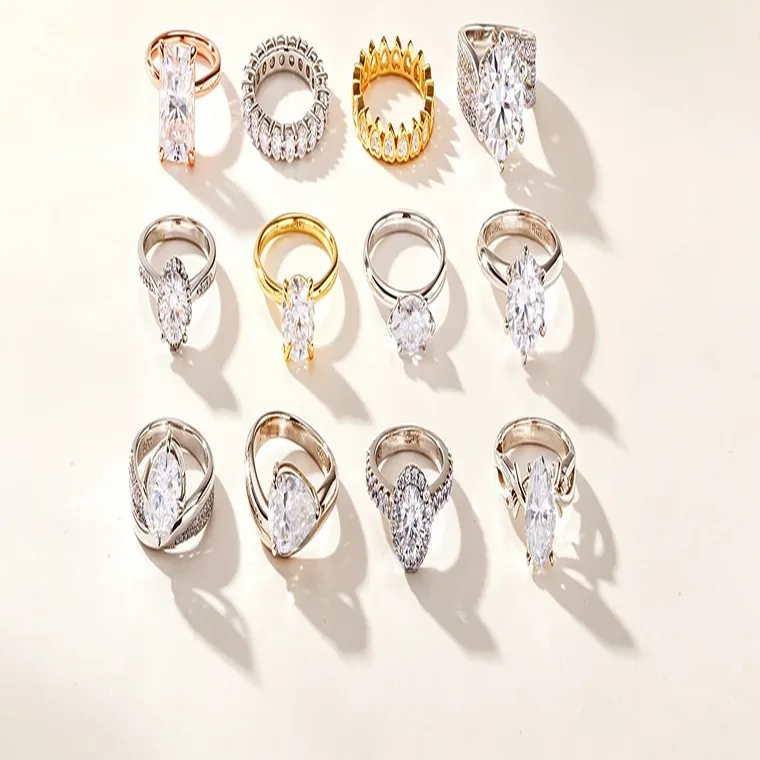
The stamp is the last step, not the first
A "14k" stamp on a finished ring is evidence of a process, not a guarantee. Underkarating - selling metal lower in pure gold than the mark claims - is the oldest trust problem in the gold trade, and it happens silently at the alloying furnace, not at the polishing bench. A factory that controls karat well treats it as a lot-traceable material record, from raw granulation to the stamped finished piece.
Alloying by weight, not by eye
Karat is a ratio of pure gold to total alloy. 14k is 58.3% gold; 18k is 75.0%. To reach those numbers, pure (24k) fine gold is weighed against measured additions of copper, silver, and sometimes zinc or palladium, all on calibrated scales. Color is adjusted in the same step: rose gold leans on copper, green gold on silver, white gold on nickel or palladium plus a rhodium flash. A responsible factory melts alloys in discrete, labeled batches, records the weigh-sheet for every melt, and keeps a sample button from each lot for later verification. That sample button is the paper trail - if a finished ring is later disputed, the lot it came from can be re-tested.
Lot tracking through the shop
Casting grain from one melt does not mix with grain from another. Wax trees are cast per lot, sprues are recycled back into the same lot, and offcuts are kept in labeled bins. When a production run of 100 rings is ordered in 14k yellow, the whole run draws from one recorded melt. This matters because recycled scrap from multiple sources drifts in composition; if scrap from a rose repair melts into a yellow 14k batch, the color and karat both shift. Controlled factories segregate scrap by karat and color and re-refine it rather than dumping it straight back into production.
Verification: XRF, touchstone, and fire assay
Modern shops screen finished pieces with XRF (X-ray fluorescence), a non-destructive beam that reads the surface metal composition in seconds. XRF catches gross underkarating instantly and also flags plating thickness, which matters because a rhodium or gold flash on base metal can fool a quick acid test. XRF is screening, not referee-level proof - it reads surface atoms and can miss a thin gold skin over lower metal. For disputes or high-value batches, the industry fallback is fire assay: dissolving a sample and measuring the pure gold recovered, the method national refineries use. A factory that keeps an external assay certificate for its main karat alloys is making a claim it can defend.
Why underkarating happens - and who eats it
Underkarating is rarely a villainous plan. It creeps in through sloppy recycling: too much scrap, wrong scrap, or recovery losses not compensated at the furnace. The unit economics are small per piece - a ring at 12k sold as 14k saves a fraction of a gram of gold - but across thousands of units it is real margin, and the retailer who bought "14k" inventory is the one whose customer finds out at the resale or appraisal counter. Buyers absorb the reputational damage long after the factory shipped.
How a buyer can spot it before resale
Retailers are not helpless in the meantime. A cheap touchstone and acid test gives a rough screening - draw the metal on a stone, apply the karat acid, and watch whether the mark dissolves at the rate it should. It is not referee-grade, and plating can fool it on a first pass, but it catches egregious underkarating on incoming stock. For higher-value lots, an on-demand XRF reading at a local assayer or refiner costs a small fee and returns the actual gold percentage in under a minute. A house that buys gold at volume should budget one XRF spot-check per incoming lot, not per piece - random sampling is enough to keep a supplier honest, and the report becomes the paperwork that protects the buyer if a customer's appraisal later disagrees with the stamp. Consistency across readings matters more than any single number: a supplier whose XRF drifts between 12.8k and 13.9k on supposedly 14k stock is controlling its furnace poorly, even if no single reading looks criminal.
What to ask before you reorder
When onboarding a gold supplier, ask three things. First, can they provide an assay or XRF report for the alloy lot your order will be cast from? Second, how is scrap segregated and recycled - do you ever receive mixed-karat returns? Third, is the finished piece marked consistently with the intended karat, and can they test a random sample from your last run? A supplier that resents these questions is telling you something useful; one that hands over a report is showing you the system works. Pair karat control with clean color standards so tone matches across reorders, and verify how our own gold jewelry program keeps lot-traceable karat on every run.
Rhodium plating, which gives white gold jewellery its bright finish, is covered in the Wikipedia article on rhodium.
Frequently Asked Questions
What ring sizes can you supply in bulk?
US sizes 5–12 including half sizes. Send a size breakdown with your order and we cast to that curve; comfort-fit inner bands reduce resize requests.
Can I order a mixed size run instead of one size?
Yes. Mixed runs are standard for wholesale: specify quantity per size and we pack and label by size at no extra labor cost.
What is the MOQ for custom ring designs?
50 pieces per design for existing molds; 100–300 pieces when a new mold or CAD model is required.
How should I price rings for retail margin?
Most partners use a 3–4x markup on FOB cost for sterling and 2.5–3x for moissanite solos, which keeps landed cost under 30% of retail.


