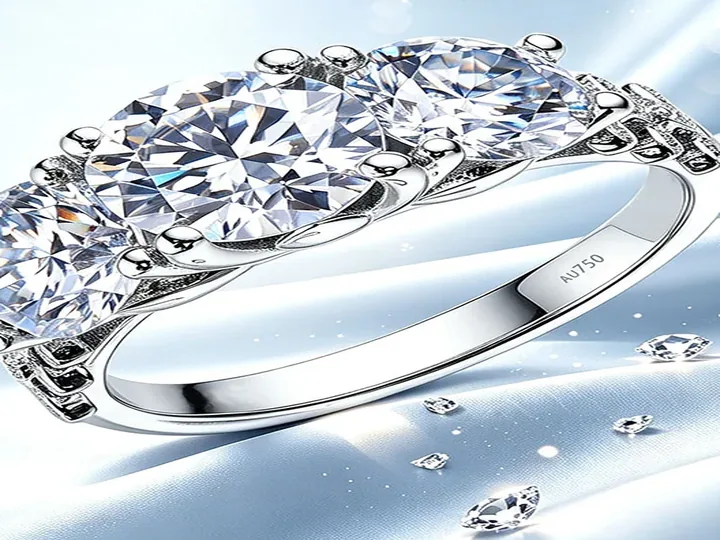
A colored gemstone in a ring is almost never exactly as it left the ground. Most stones on the wholesale market have been heat-treated, many have been oiled or resin-filled, and a smaller share have been irradiated or diffused. Treatments are not a scam; many are standard, accepted, and stable. The problem is that they are not all equal, and a buyer who does not know which is which will eventually field a warranty claim for a stone that changed color in the first month of wear.
At the wholesale level, treatment status is part of the product, not a footnote. A retail customer buying a $20 pair of stud earrings will not ask. A boutique buyer stocking a $2,000 emerald ring will, and a customer who feels misled about treatment will not come back. The spec sheet from the stone supplier is where the treatment conversation starts; it is not a conversation that should happen at the customer service desk months later, when a filled emerald has clouded after an ultrasonic clean.
Heat treatment: standard and stable
Heat is applied to sapphires, rubies, tanzanite, and many other stones to improve color and clarity. A heated sapphire that is properly treated is stable under normal jewelry conditions—resizing, steam cleaning, and everyday heat will not reverse it. Heat treatment is the default for blue sapphire and is accepted across the trade. It does not need to be hidden, but it does need to be disclosed, because a heated stone is priced below an unheated one of comparable color.
Oiling and resin filling: emeralds and more
Emeralds are routinely oiled or resin-filled to mask fractures that reach the surface. Cedarwood oil is the traditional filler; modern resins are more stable. The key distinction is between minor and significant filling. Minor oiling is stable with normal care. Significant filling—where the stone is effectively glued together—can degrade under ultrasonic cleaning, steam, and even prolonged heat from a polishing wheel. A customer who buys a heavily filled emerald and brings it in for a free clean may come back with a cloudy stone. That claim lands on the retailer.
Irradiation: color on demand, sometimes unstable
Irradiation turns pale stones into vivid greens, blues, and pinks. Many irradiated blue topazes are stable in everyday wear, and the treatment is permanent. But some irradiated green diamonds and certain fancy colors are heat-sensitive and can fade in strong sunlight or under a jeweler's torch. Irradiation has to be disclosed, and stones that are heat-sensitive should not be used in pieces that may need repair soldering later.
Diffusion and fracture filling
Diffusion treatment adds color to the surface of a colorless or pale sapphire by forcing chemicals into a thin layer. The color is only skin-deep—a re-polish, a chip, or a re-tip can remove it. Fracture-filled diamonds (glass-filled) are a separate category: a surface-reaching break is filled with glass to improve clarity. These stones cannot be treated with heat and are vulnerable to damage during prong retipping. They are sold at a steep discount for that reason.
Why disclosure is not optional
Consumer protection rules in most markets require disclosure of treatments that affect value or durability. A stone sold as "natural emerald" without noting the filling level is not just misleading—it is a return, a complaint, and in some jurisdictions a chargeback. The honest trade treats disclosure as a selling point: a buyer who knows the emerald is minor-oiled knows what to expect, and a buyer who wanted an unheated sapphire can choose the unheated one at the higher price. Hiding the treatment only saves margin on the first sale and costs it on the second, when the stone degrades and the customer remembers what they were told.
A quick treatment cheat sheet for common stones
- Sapphire and ruby: heat treatment is standard; unheated material carries a premium and should be certed.
- Emerald: oil or resin filling is normal; ask for minor vs significant on the spec.
- Blue topaz: irradiation is universal and stable; treat as a normal consumer product.
- Citrine and amethyst: heat treatment to adjust color is common and stable.
- Diamond: fracture filling and laser drilling are disclosed treatments; clarity-enhanced stones are priced accordingly.
- Tanzanite: heat treatment is universal to produce the blue-violet color; the brown untreated form is rarely sold as jewelry.
What to ask your stone supplier
- What treatments has this stone received, in writing?
- Is the treatment stable under steam, ultrasonic, and torch work?
- Will this stone survive a prong retipping or a resizing later?
- Does the certificate note the treatment?
The honest supplier answers all four on a spec sheet. The supplier who says "natural, no treatment" without paperwork is the one to walk away from. For buyers building gemstone jewelry programs, treatment policy is part of the product spec, not a footnote. It determines the care card, the warranty language, and the repair routing three years after the sale.
Gemstone grading terminology used here follows the Gemological Institute of America’s gem encyclopedia.
Frequently Asked Questions
How do I verify a factory before placing a bulk order?
Request a production video, business license, export records and a paid sample run. A factory that accepts a 50-piece test order is usually a real manufacturer.
What payment terms do you offer?
30% T/T deposit with the balance against the bill of lading. This protects both sides on first orders and can move to net terms after a track record.
What is your normal reject rate?
3–5% under 10x loupe inspection for cast and set pieces. Defective units are replaced free in the next shipment.
Where is the factory located?
Wuzhou, Guangxi, China—the core lab-grown and moissanite manufacturing cluster. Shipments go via Guangzhou or Shenzhen ports.


