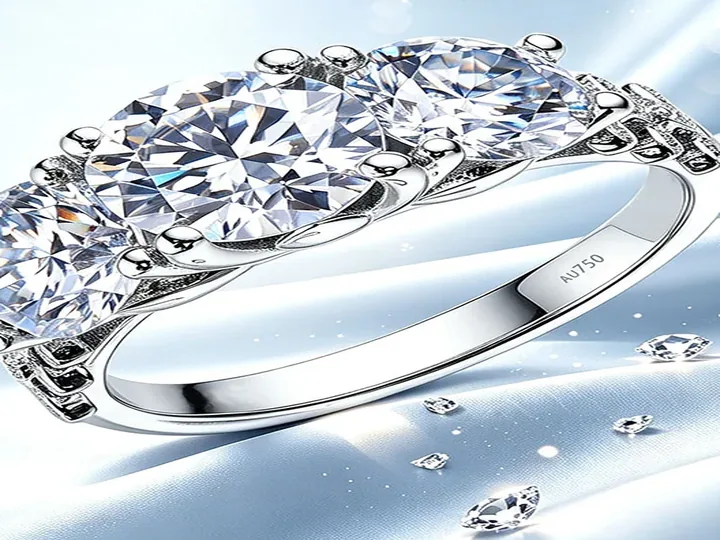
A wholesale buyer we work with once approved a 500-piece run of 14k yellow gold signet rings. The first 120 came back at 14.2k with a clean, even surface. Pieces 201 through 340 came back slightly paler, with tiny pinholes under the microscope, and the assayer read them at 13.6k. The mold equipment never changed. The metal did. The root cause was the foundry's casting grain: it had melted a batch of sweeps and old filings back into the pot instead of using virgin, lot-numbered grain. Alloy consistency is not a romantic detail about precious metal. It is the variable that decides whether your reorder matches your first sample.
What casting grain actually is
Casting grain is the small, uniformly sized pellets of alloy that a shop melts in a crucible before vacuum or centrifugal casting. Two shops can both call their material "14k yellow" and still pour different metal. The difference lives in the alloying package: how much copper, silver, zinc, and (in some formulations) cadmium or nickel sits beside the gold, and how thoroughly that package is homogenized before it is pelletized. A reputable supplier delivers grain with a mill test report tied to a lot number. That lot number is your insurance: when a shipment of 2,000 rings is questioned, you trace it back to a specific pour rather than arguing with a refiner.
Industry-standard fine ranges matter. Under the U.S. Federal Trade Commission's Jewelry Guides and the fineness markings enforced under 16 CFR Part 23, a piece stamped 14k must contain at least 585 parts per thousand fine gold. A 0.5 percent drift across a run can push a consignment below legal minimum at the weak end while the strong end tests as something richer. We hold our incoming grain to a +/- 0.5 percent fine tolerance and re-assay any lot that lands outside it before it touches a mold.
Why consistent grain kills defects
Inconsistent grain does not only change color. It changes melting temperature, fluidity, and shrinkage. Copper-rich alloys run hotter and shrink more as they solidify; silver-rich versions flow differently. When a crucible contains a mix of fresh grain and remelted sweep, the metal begins to segregate: heavier elements sink, lighter ones float, and the casting solidifies with uneven grain structure. That is the moment porosity, hot tears, and pitting appear. The same geometry cast from lot-numbered, homogenized grain usually comes out clean.
For repeat wholesale programs, we keep a dedicated alloy lock per client. Once a brand approves a sample for color and weight, we reserve that lot chemistry for reorders and re-assay against the approved master. If you are comparing suppliers, ask three questions: Do you pour from virgin grain or remelt? Can you provide a mill test report per lot? And how do you verify color against an approved sample on each run? The answers tell you more than any catalog photograph.
What buyers should specify on a PO
Write the alloy chemistry, not just the karat. "14k yellow" is a label; "14k yellow, copper-silver-zinc package, lot-locked to approved sample, +/- 0.5 percent fine" is a specification. State whether recycled content is acceptable and at what percentage, because recycled grain changes trace-element fingerprints and can shift color by a half-tone. Pair this with a clear target weight so the caster does not compensate for metal variation by adding thickness, which is the usual silent cost of an inconsistent alloy.
Alloy decisions also interact with downstream steps. A metal that flows poorly forces thicker sprues and investment gating, which leaves more cleanup work. A porous casting fights polishing and finishing, because compound packs into pinholes. And a ring that drifts in weight throws off finished weight and tolerance checks at QC.
FAQ
Is recycled casting grain lower quality than virgin grain?
Not if it is refined and re-alloyed to a certified lot. The problem is unrefined shop sweep mixed straight back into a crucible. Certified recycled grain with a mill test report performs the same as virgin grain and is often the more sustainable choice.
How much color variation is normal between two 14k lots?
A controlled shop holds color within roughly half a shade on a calibrated comparison card. Anything visibly warmer or paler to the naked eye means the alloy package changed and should be quarantined.
Should I pay more for lot-locked grain on repeat orders?
Yes, usually. The small premium removes rework, rejection, and the risk that a reorder looks different from your approved sample. For brands selling on consistent in-store presentation, it pays for itself on the first avoided return.
Need a lot-locked alloy for your next run? HOLYCOME manufactures custom jewelry to your approved sample, with mill test reports, re-assay on every lot, and repeat orders held to the same chemistry. Send us your CAD or physical sample for a quote on your custom manufacturing program.
Frequently Asked Questions
What ring sizes can you supply in bulk?
US sizes 5–12 including half sizes. Send a size breakdown with your order and we cast to that curve; comfort-fit inner bands reduce resize requests.
Can I order a mixed size run instead of one size?
Yes. Mixed runs are standard for wholesale: specify quantity per size and we pack and label by size at no extra labor cost.
What is the MOQ for custom ring designs?
50 pieces per design for existing molds; 100–300 pieces when a new mold or CAD model is required.
How should I price rings for retail margin?
Most partners use a 3–4x markup on FOB cost for sterling and 2.5–3x for moissanite solos, which keeps landed cost under 30% of retail.


