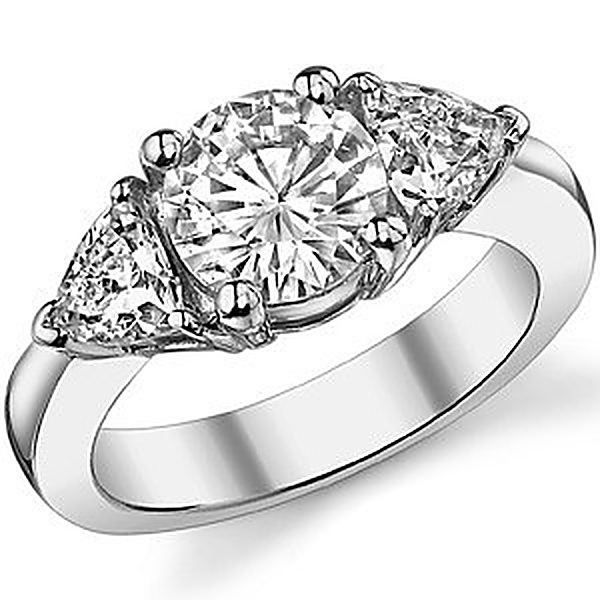
Bridal is the most timing-sensitive category in jewelry. Engagement ring and wedding band orders cluster into a short buying season, and a ring that arrives two weeks late is a ring that never had a chance to sell. Lead times in bridal are longer than in fashion jewelry — typically 4-8 weeks for production runs, longer for bespoke — and the reasons are structural, not laziness. Buyers who understand the clock can plan catalog drops, pre-orders, and sample deadlines without surprises.
The stage-by-stage clock
A typical bridal production run breaks into roughly these blocks. CAD design and revisions: 3-7 days, often longer if the customer keeps changing the render. Wax printing and sample approval: 3-5 days. Casting and finishing queue: 7-14 days depending on floor load. Stone sourcing and sorting: 5-10 days, longest if matching diamonds in specific carat and color. Setting, polishing, plating: 7-10 days. Final QC, sizing, packaging: 3-5 days. Add it up and 4-6 weeks is normal, 8 weeks is reasonable for a complex halo with matched side stones.
Why bridal takes longer than fashion
Fashion silver runs are high-volume, repeat-style, and stock-based — the factory casts ahead and ships from inventory. Bridal is specification-driven: each order has a center stone choice, a band width, a finish, and often an engraving. You cannot cast ahead because the diamond weight and clarity tier is decided per order. Side-stone matching is a hand process: sorting dozens of small diamonds for uniform color and cut takes longer than any casting step.
The hidden bottleneck: stone sourcing
Most factories do not hold diamond inventory. They source per order from diamond dealers, and the dealer's lead time is outside the factory's control. A standard GIA center stone in a common size (1.0ct round, G/VS) arrives fast. A fancy shape in an unusual size — a 1.4ct oval in F/VS — may take two weeks to source and certify. Buyers who lock the stone spec early remove the biggest variable.
Where delays actually come from
- CAD revisions: every "can we tweak this" resets the approval clock. Approve the render in writing once.
- Sample approval loops: shipping a physical sample back and forth across borders adds days per round. Use photo approval where possible.
- Stone substitution: if the booked stone is out of stock, the factory must re-source. Pre-book stone options.
- Plating queues: white-gold rhodium work batches on a schedule. Small orders wait for the next batch.
- QC rejection: a single loose stone at final check sends the piece back through setting.
Sample lead time is not production lead time
Buyers often confuse the two. A first sample — CAD printed, cast, set with CZ or a stand-in stone — takes 7-14 days and is about validating geometry, not about the final product. Production, once the sample is approved, runs on the clock above. Do not measure your customer's deadline from the sample delivery date; measure it from the approval date. The honest way to quote a client is "1-2 weeks for the sample, then 4-6 weeks for production once you approve it." That framing sets expectations that match how factories actually work.
The holiday crush and how to avoid it
Factories are not evenly loaded through the year. The peak runs from October through February, ahead of Valentine's Day and the spring engagement season. During that window, normal lead times stretch by a week or two, and rush slots fill early. Buyers who place bridal POs in November for a February delivery are at the back of a long queue. The practical move is to front-load bridal production in Q3, when the floor is quieter and lead times are shorter. Stocking a small bridal inventory ahead of the peak beats trying to manufacture into the peak.
How buyers should plan
For a spring bridal catalog, lock designs by November, approve samples by December, and place production POs by early January to hit a March delivery. Build in a two-week buffer for stone sourcing. For custom bridal clients, quote an 8-10 week window and tell them upfront that a rushed surcharge applies inside four weeks. Buyers who communicate the deadline clearly to the factory — with the event date, not just the "want it soon" date — get priority scheduling that vague requests never earn.
What to ask the factory up front
Ask for a staged timeline in writing: CAD by date, sample by date, production by date, QC by date. Ask whether stones are sourced by the factory or supplied by you. Ask what the expedite fee is if you need to pull a date in. And ask what their standard is for substitution — will they swap a side stone for a near-match without approval, or hold the order until you confirm? Knowing these answers before the busy season starts removes most of the stress.
For the back-end work that follows production, our notes on factory QC and packaging cover the last-mile side.
The definition of carat weight and how it is measured are set out in the Wikipedia entry on carat weight.
Frequently Asked Questions
What ring sizes can you supply in bulk?
US sizes 5–12 including half sizes. Send a size breakdown with your order and we cast to that curve; comfort-fit inner bands reduce resize requests.
Can I order a mixed size run instead of one size?
Yes. Mixed runs are standard for wholesale: specify quantity per size and we pack and label by size at no extra labor cost.
What is the MOQ for custom ring designs?
50 pieces per design for existing molds; 100–300 pieces when a new mold or CAD model is required.
How should I price rings for retail margin?
Most partners use a 3–4x markup on FOB cost for sterling and 2.5–3x for moissanite solos, which keeps landed cost under 30% of retail.


